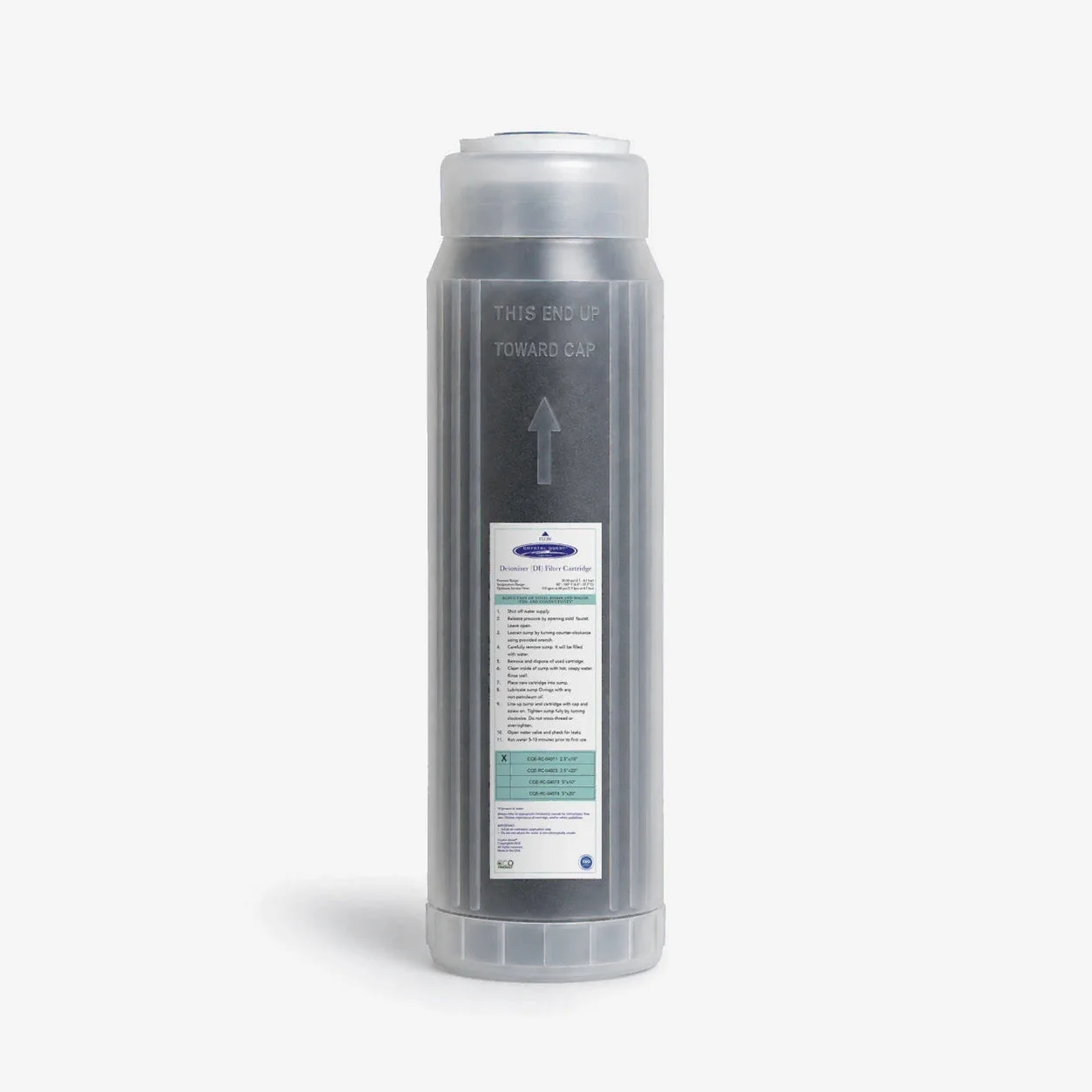
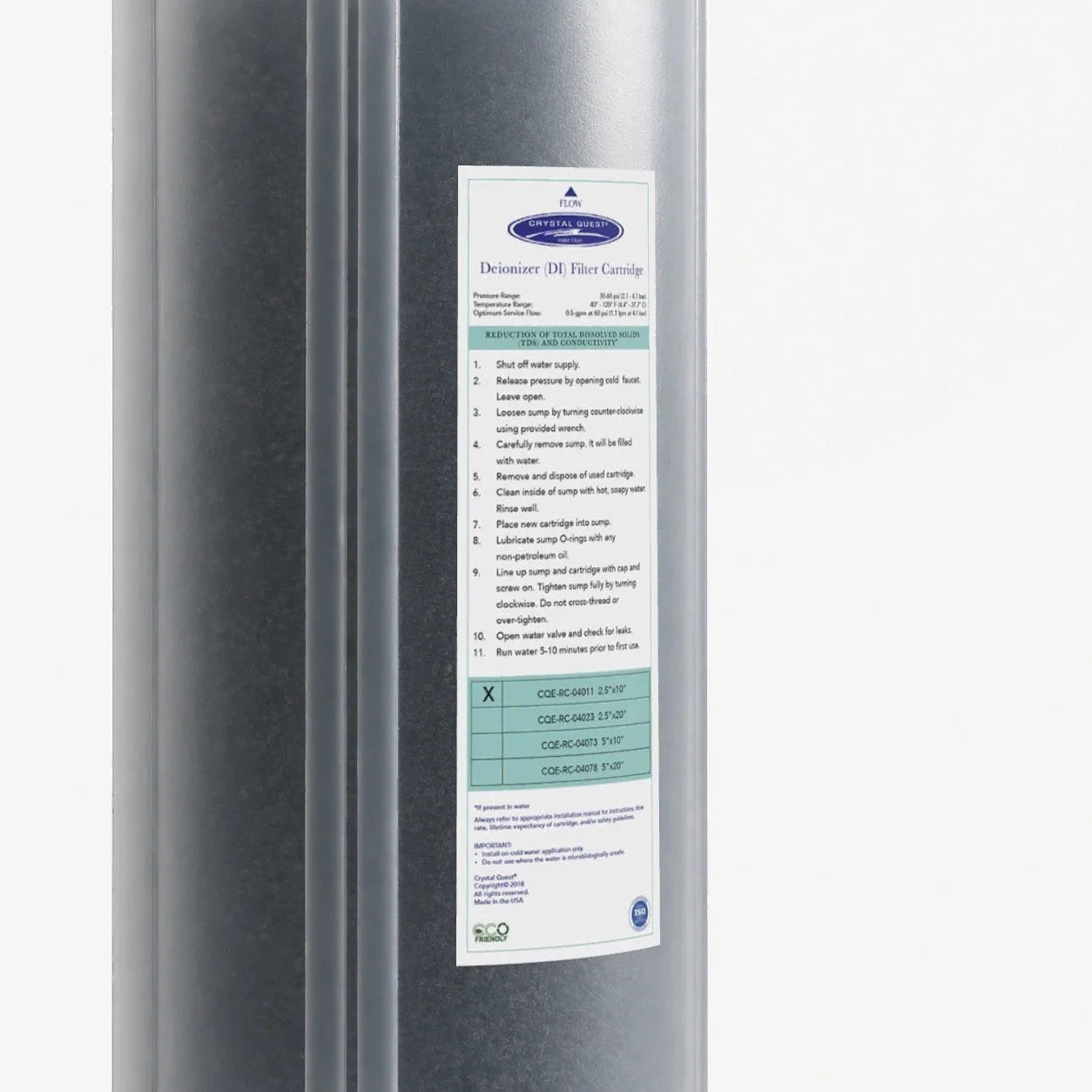
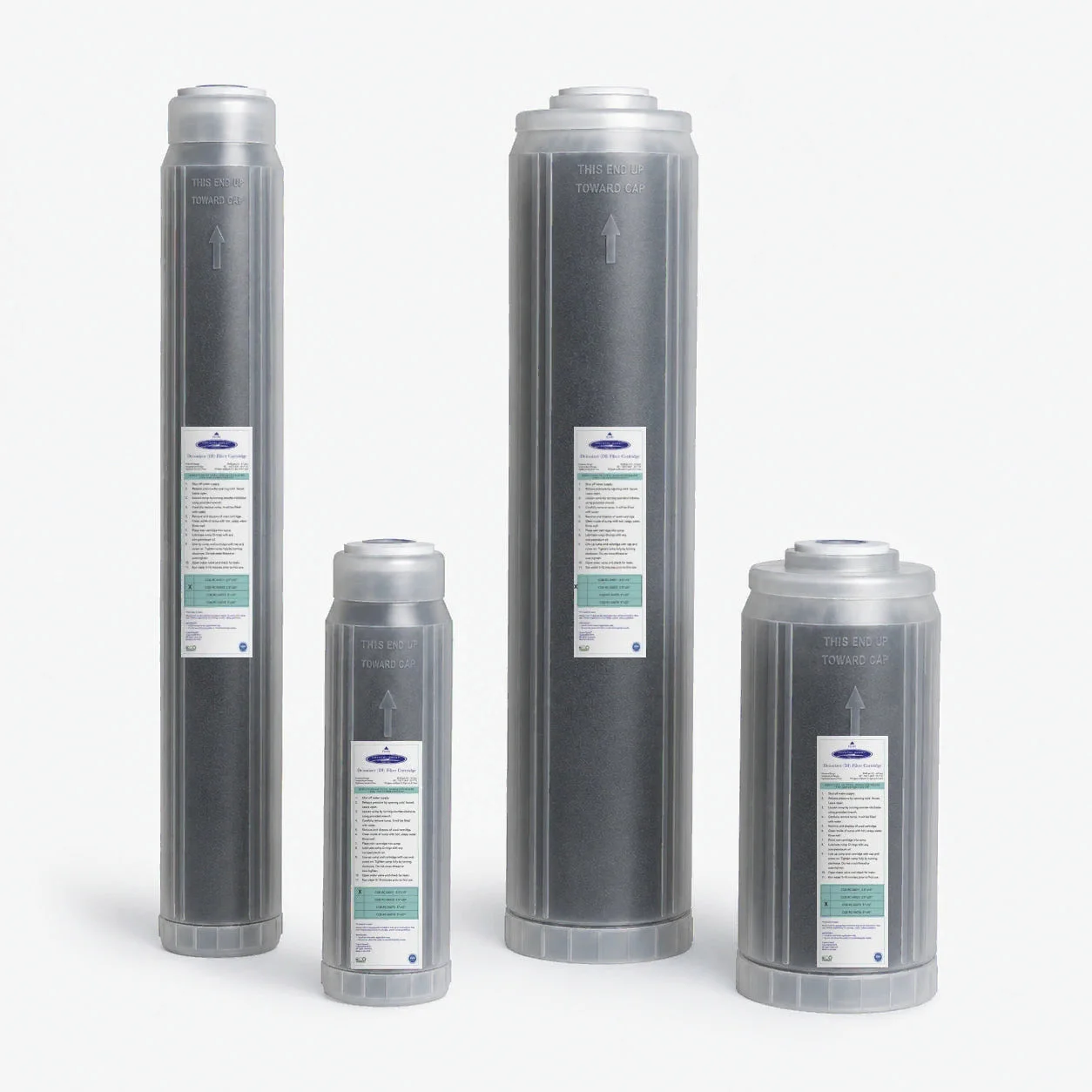
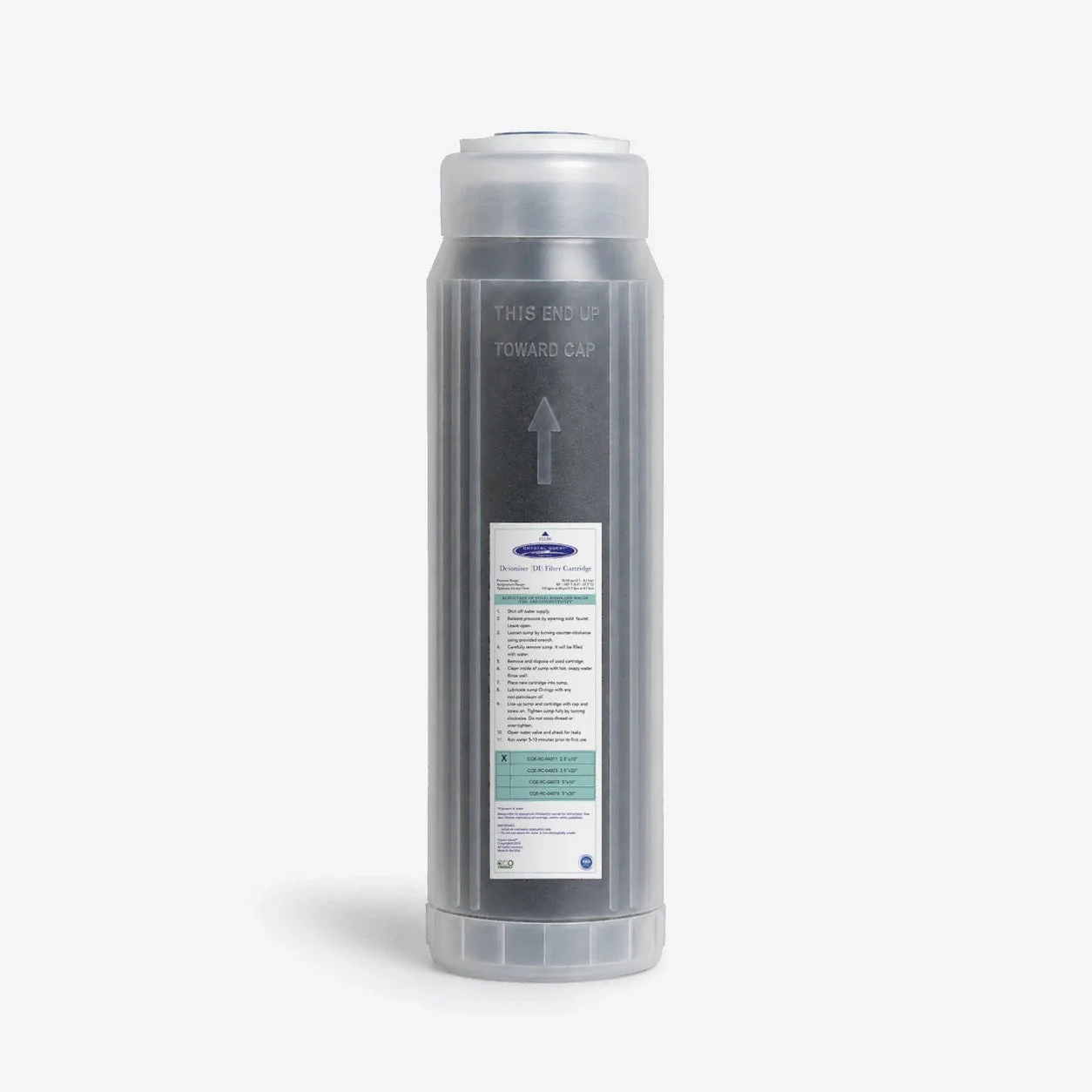
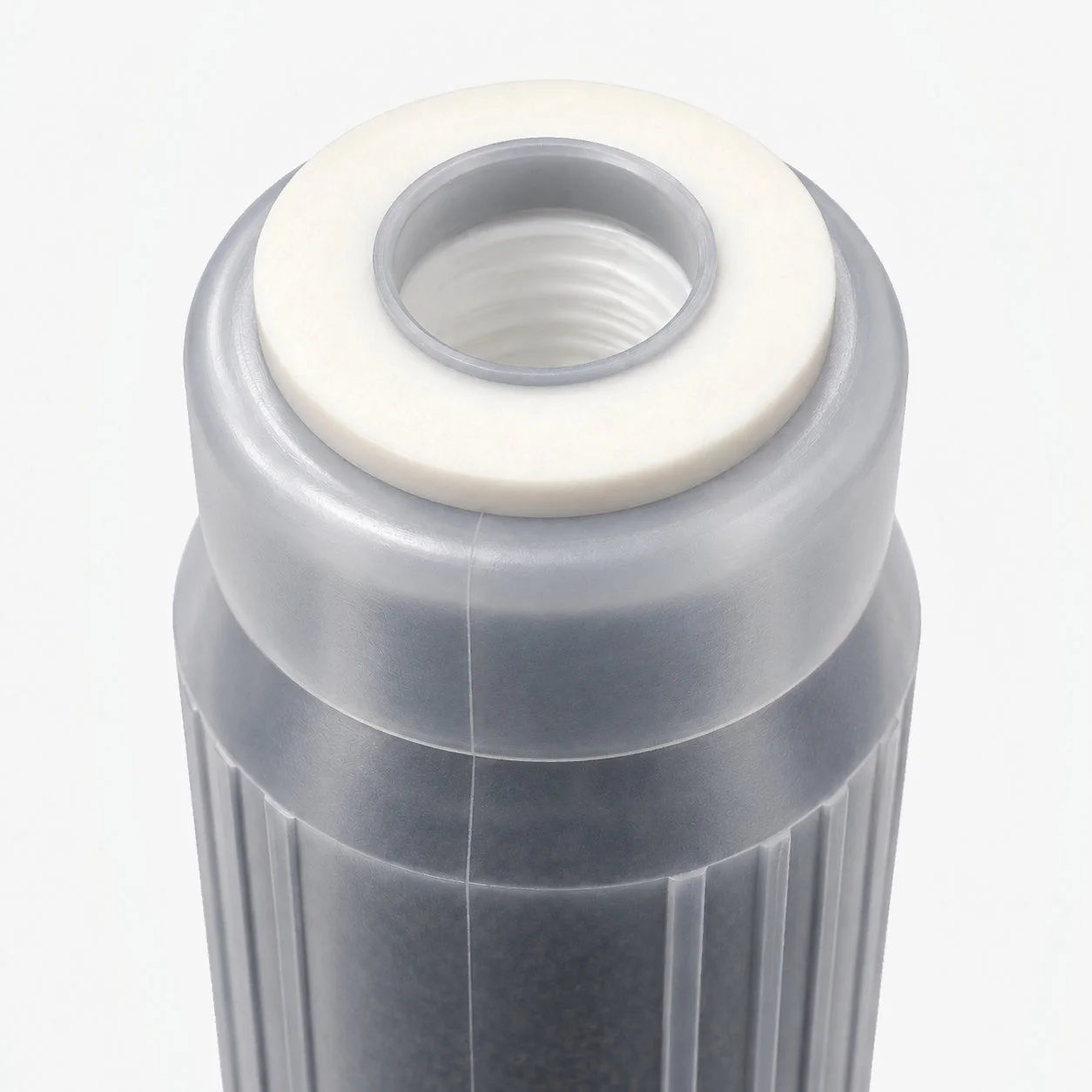
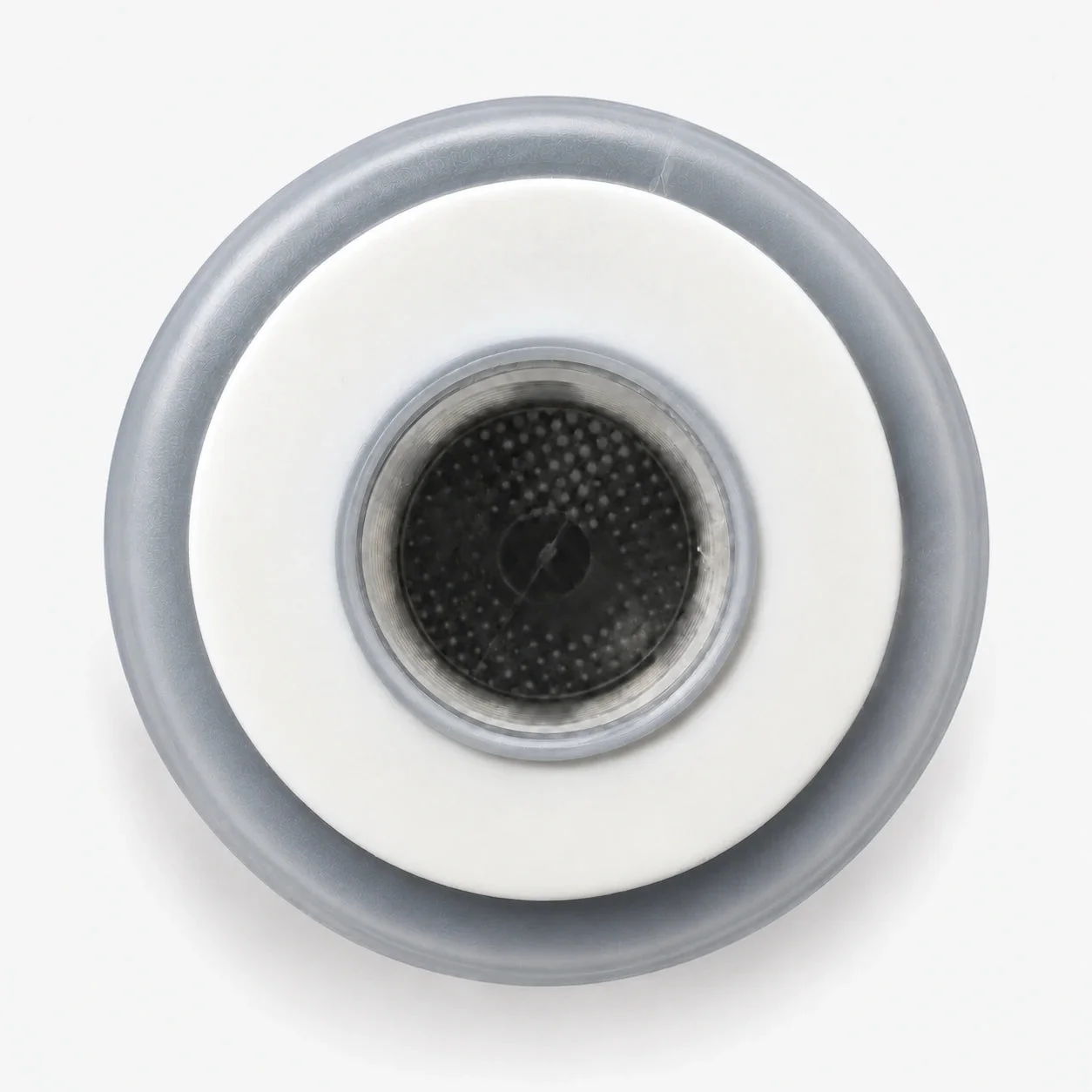
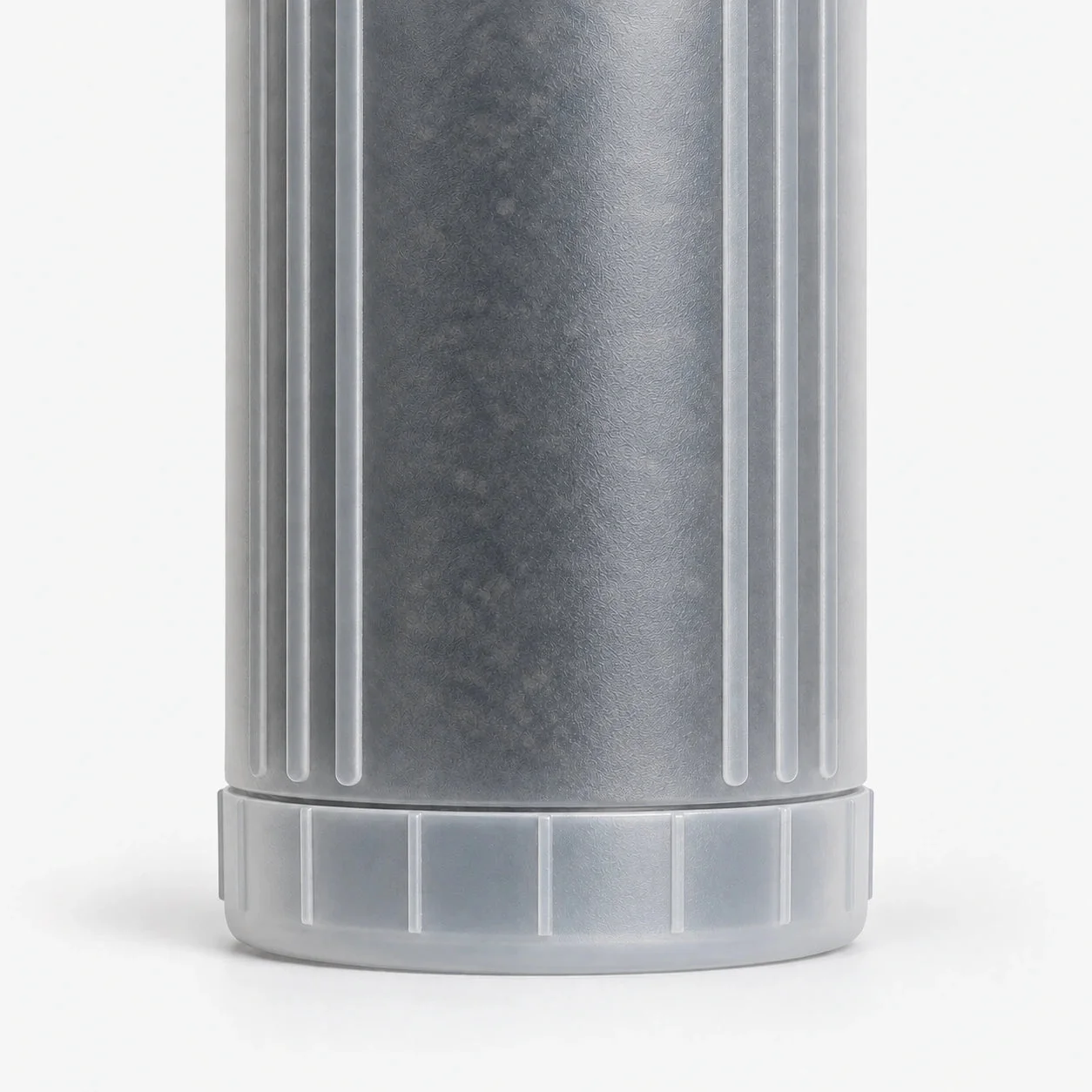
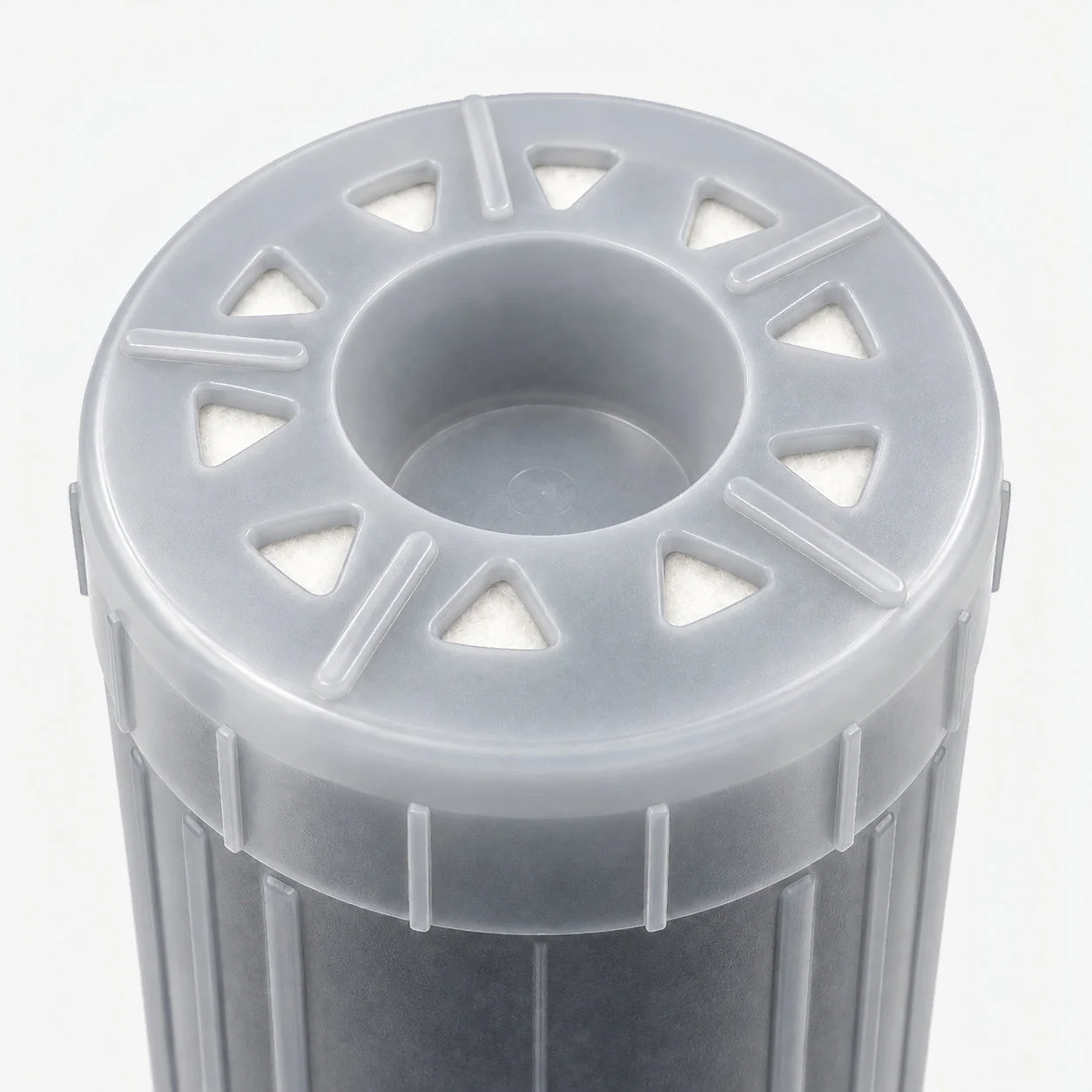
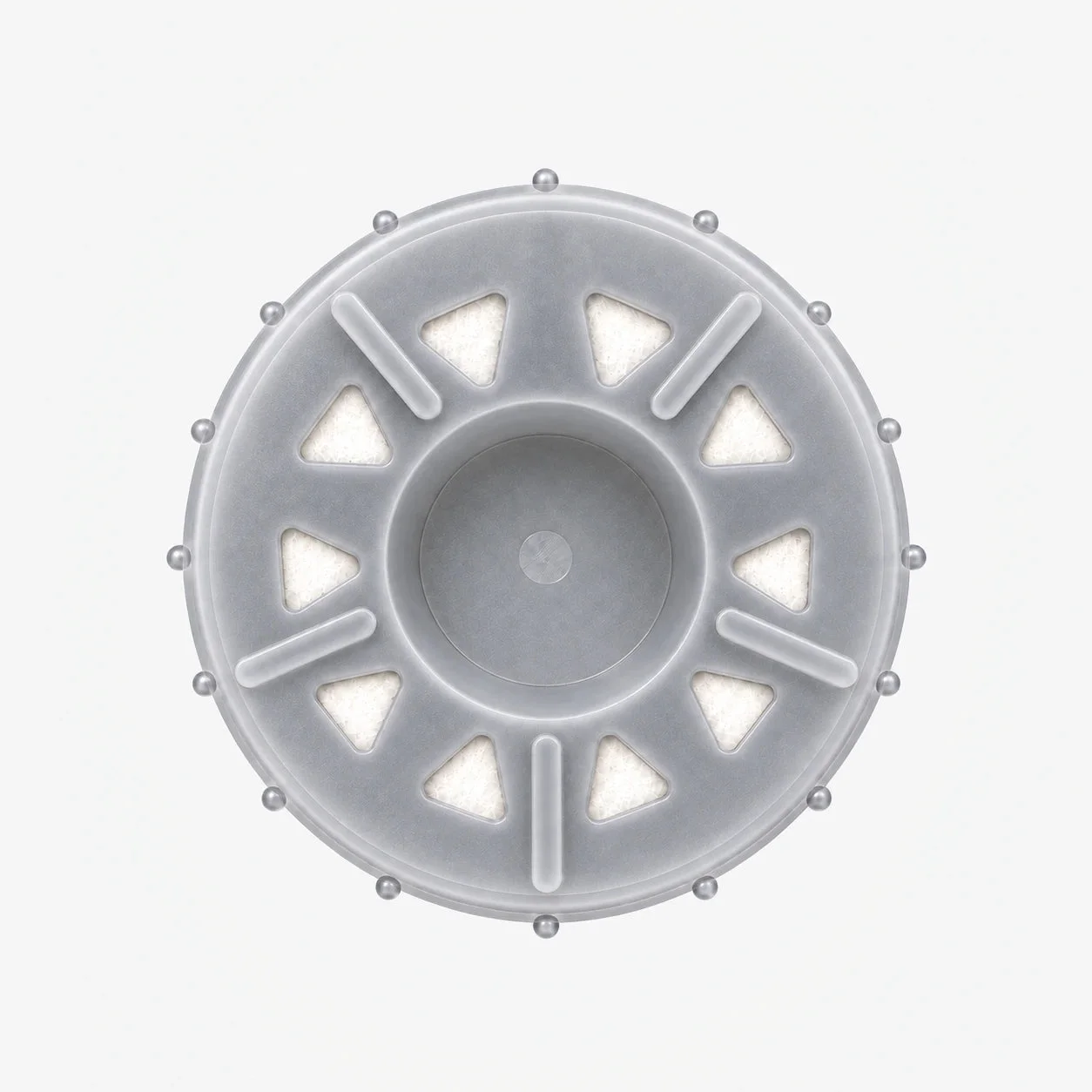
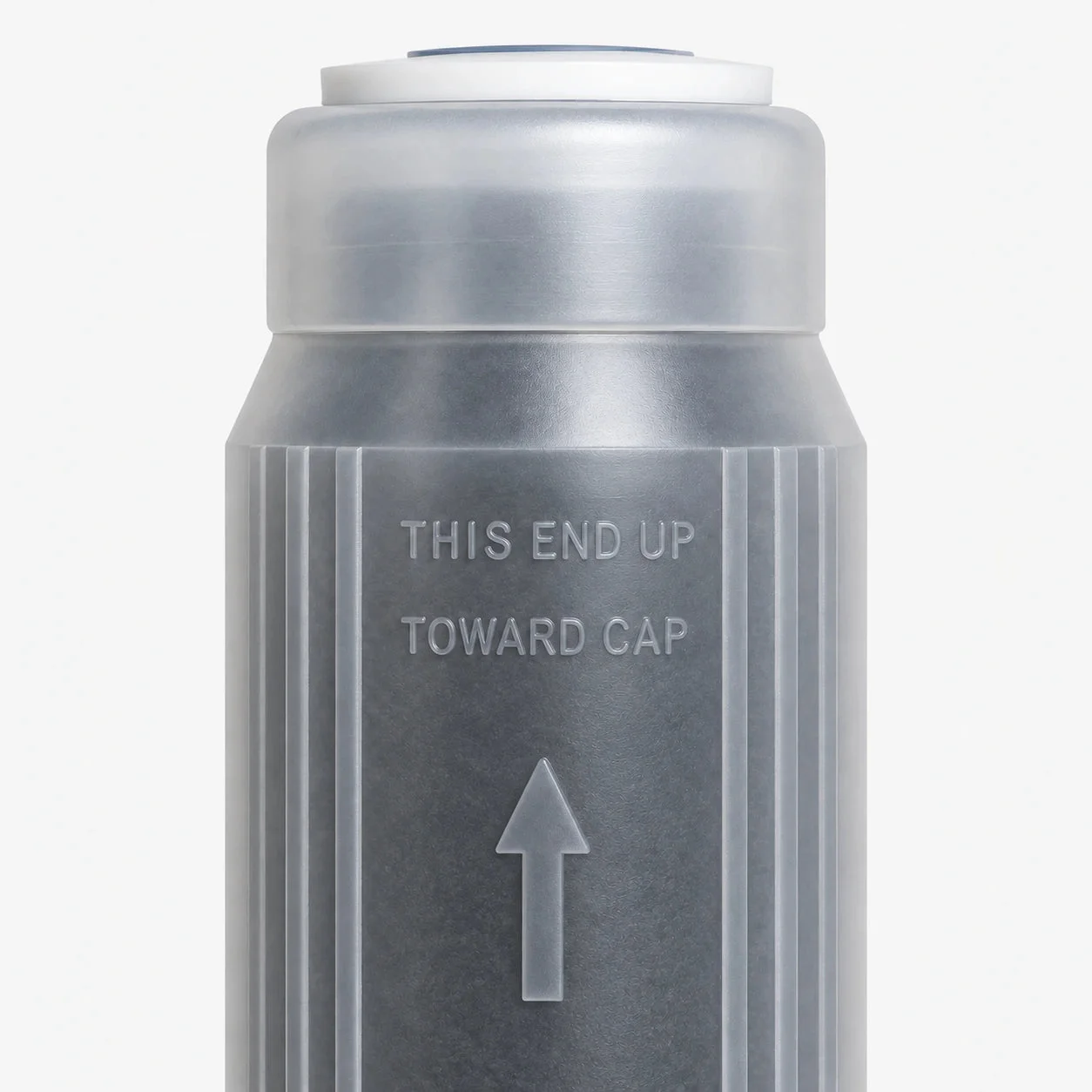
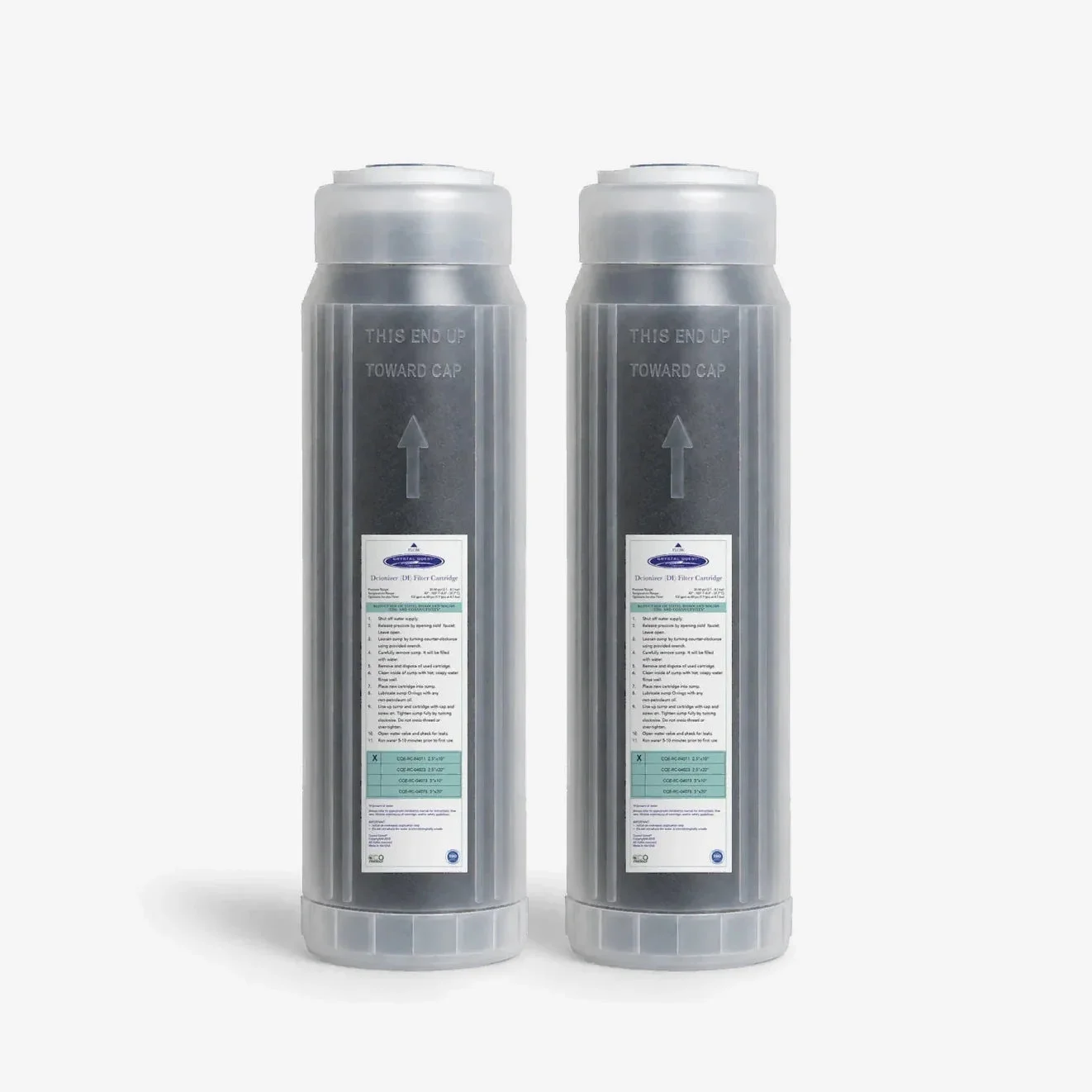
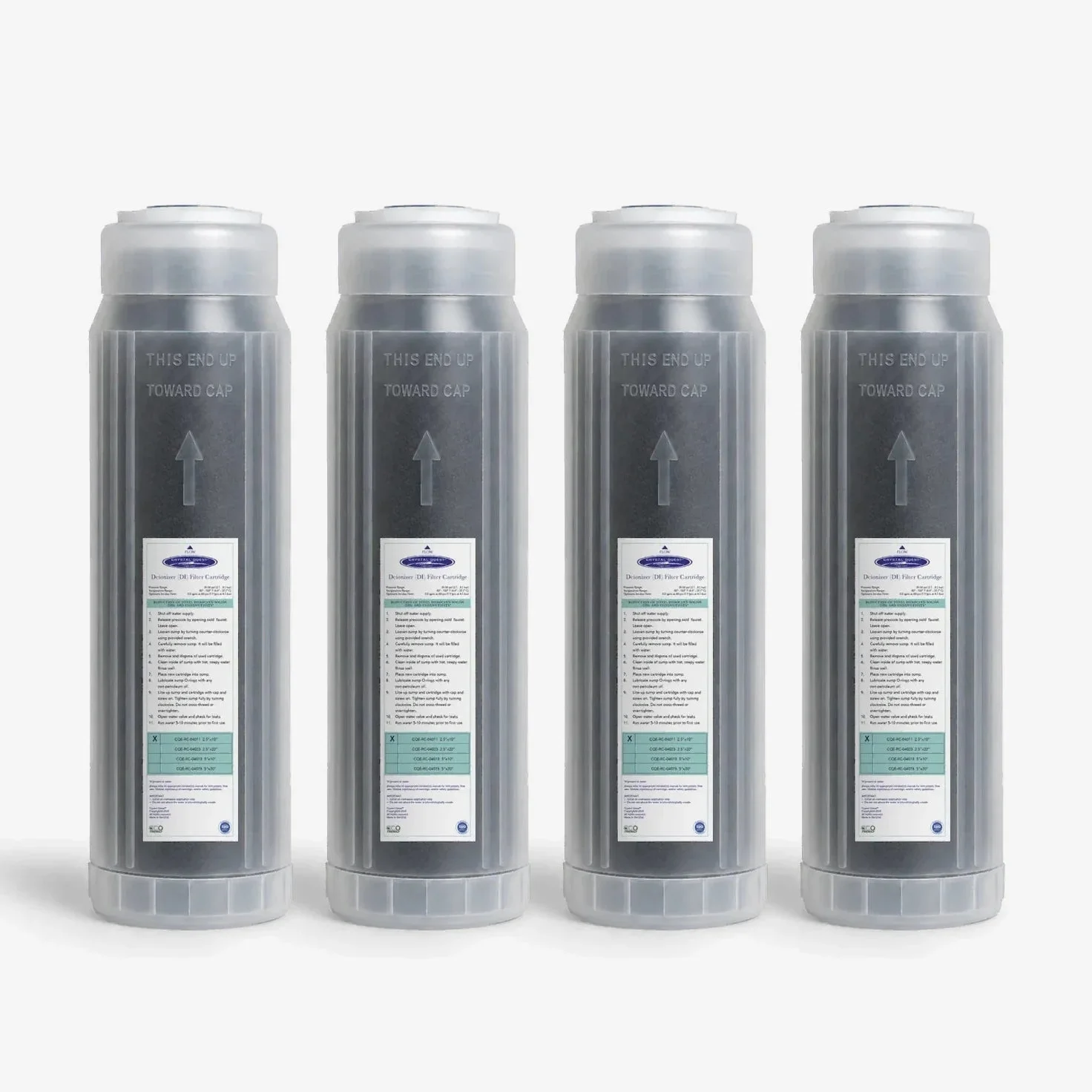
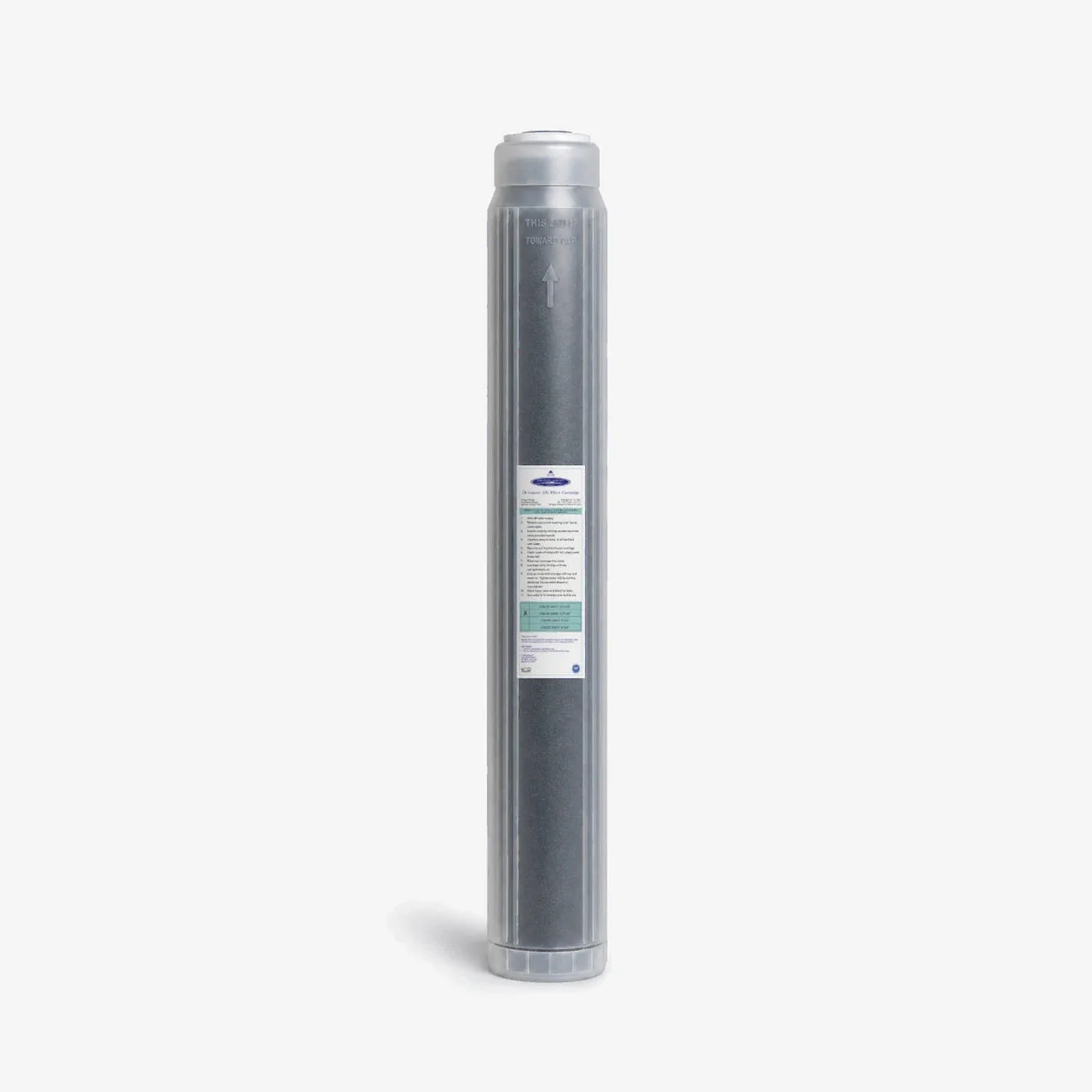
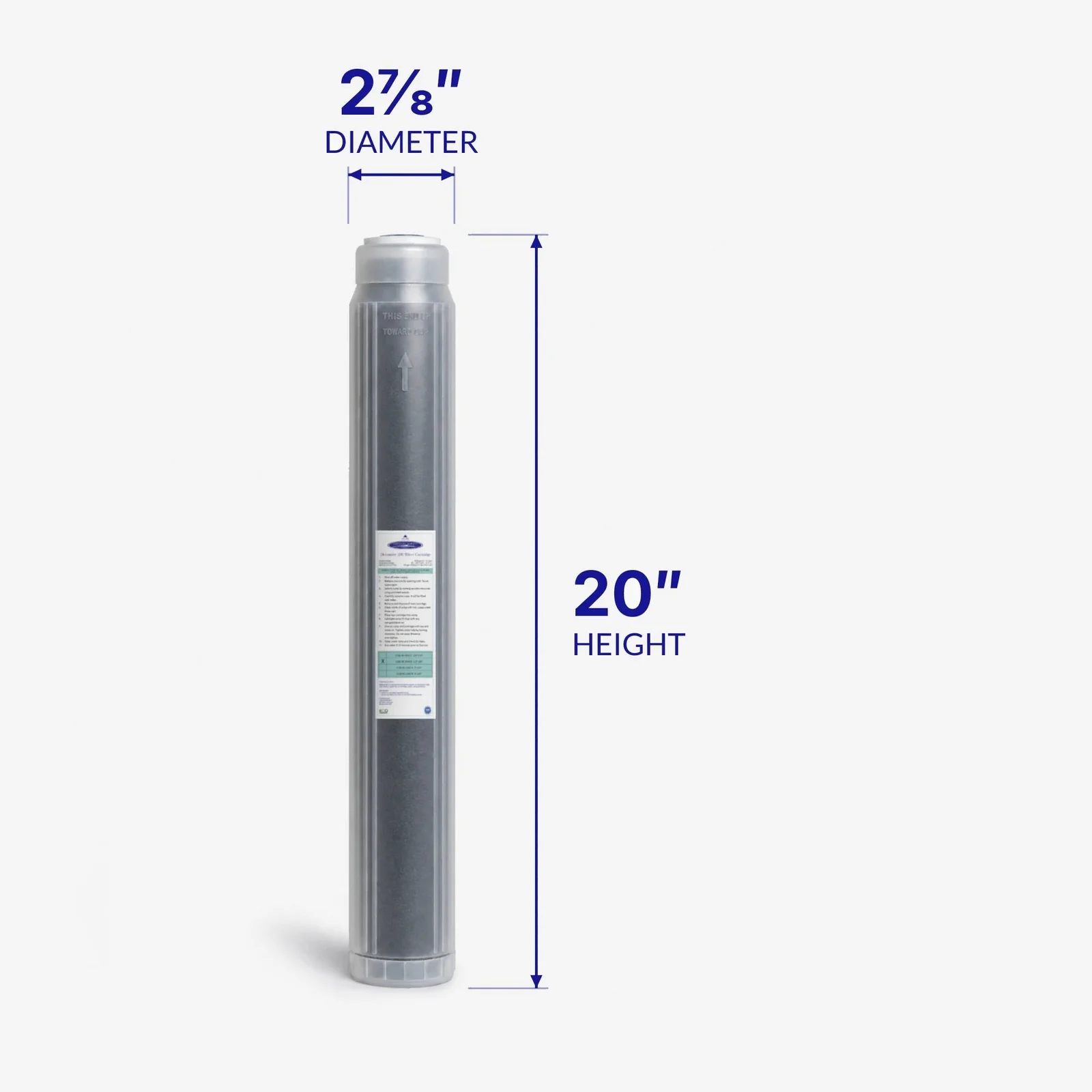
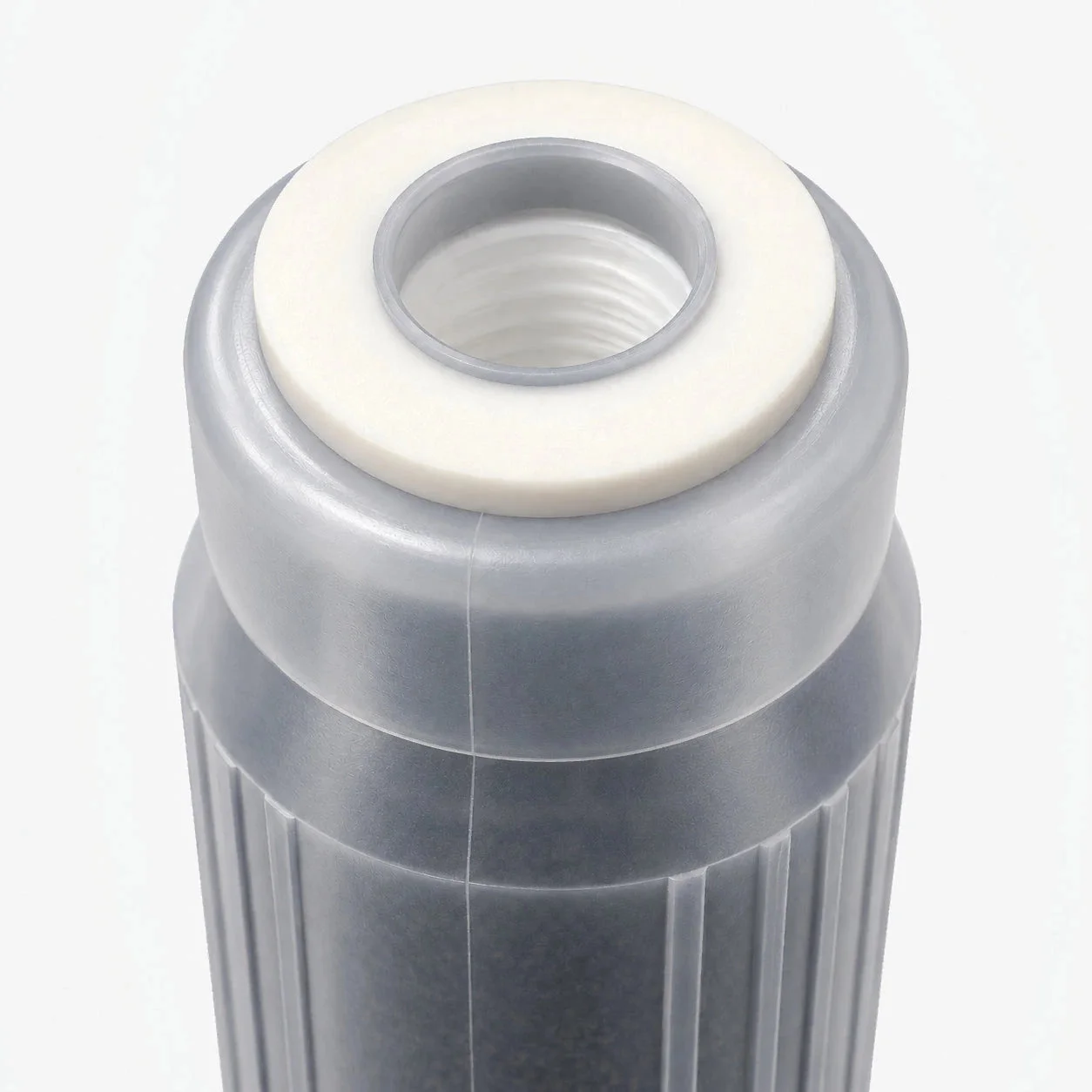
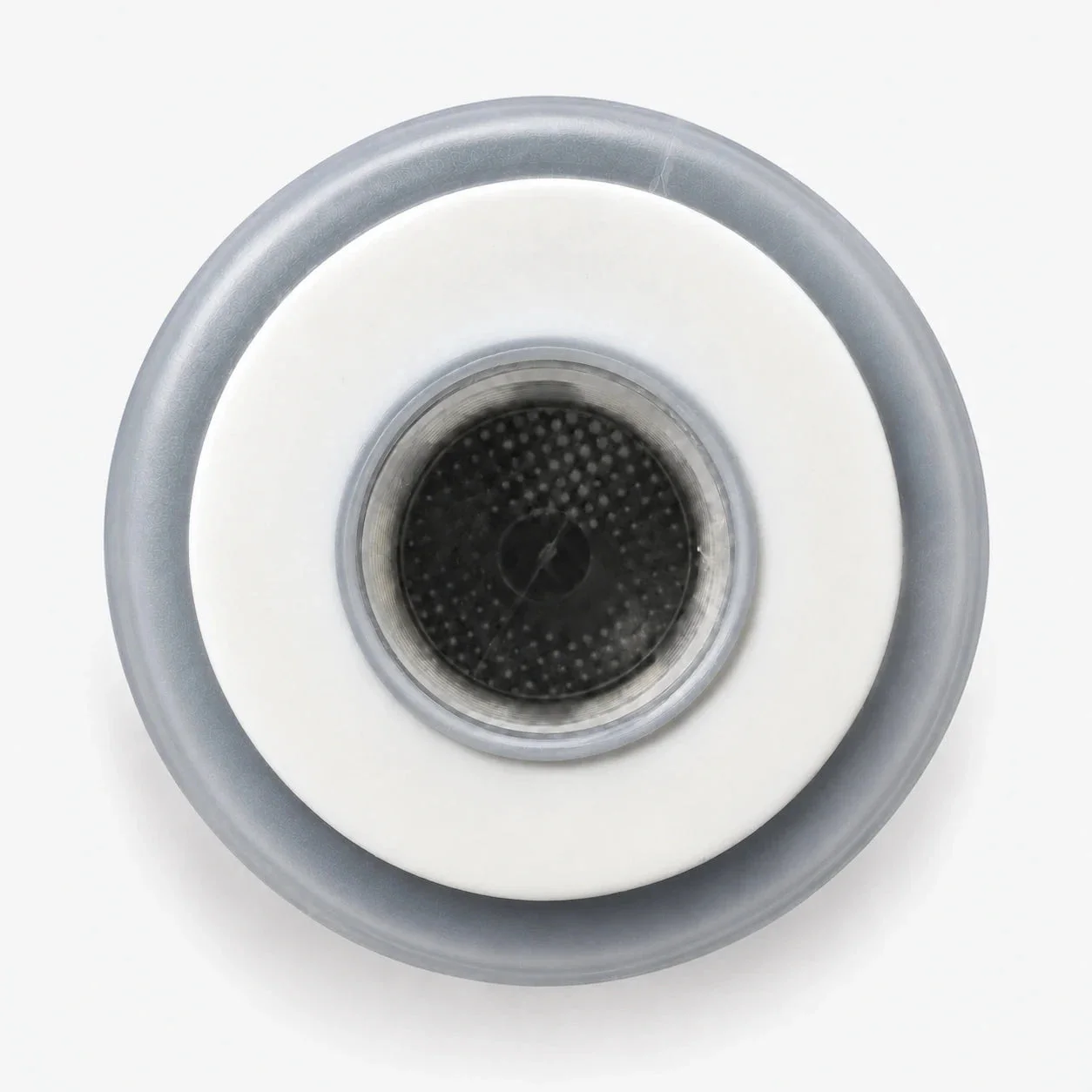
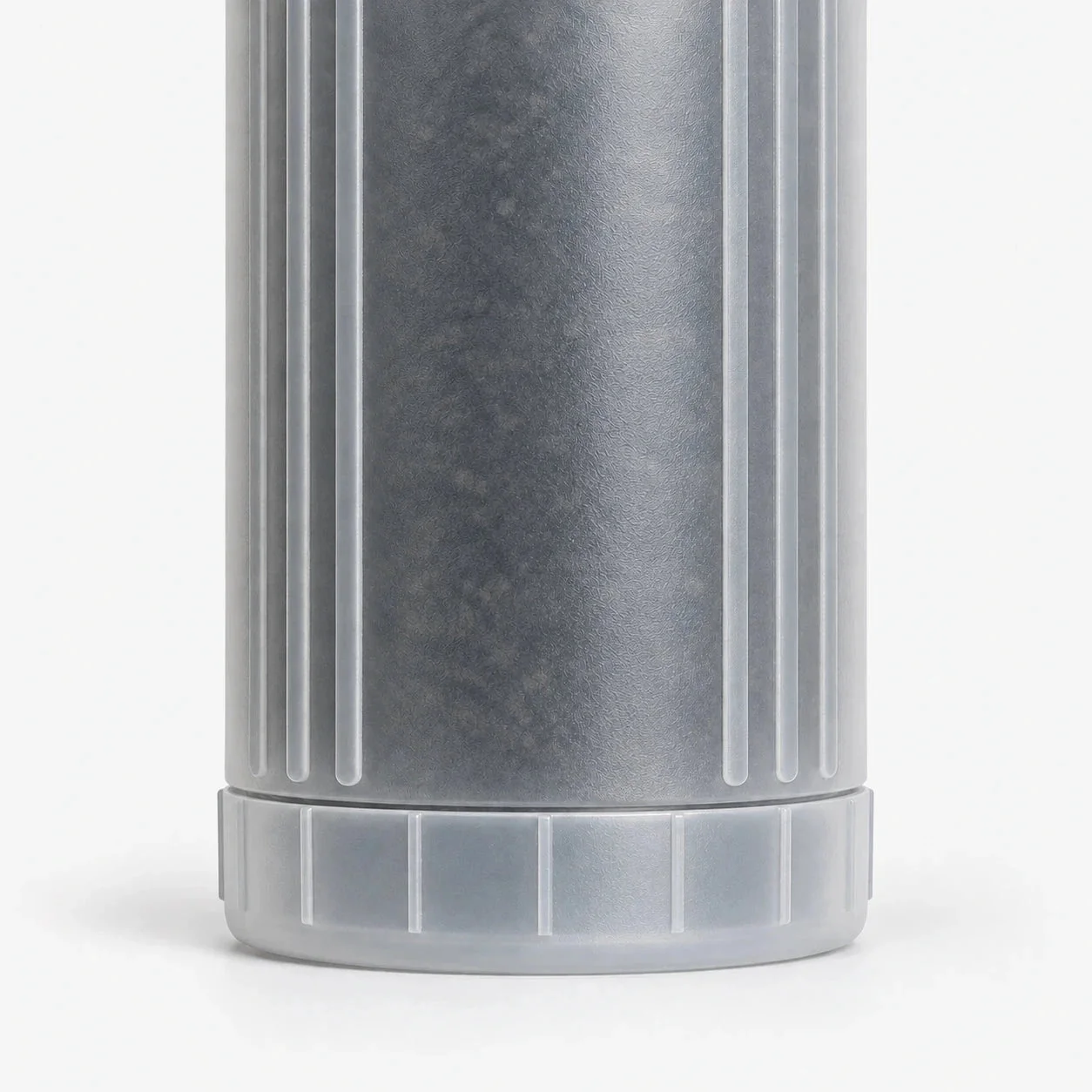
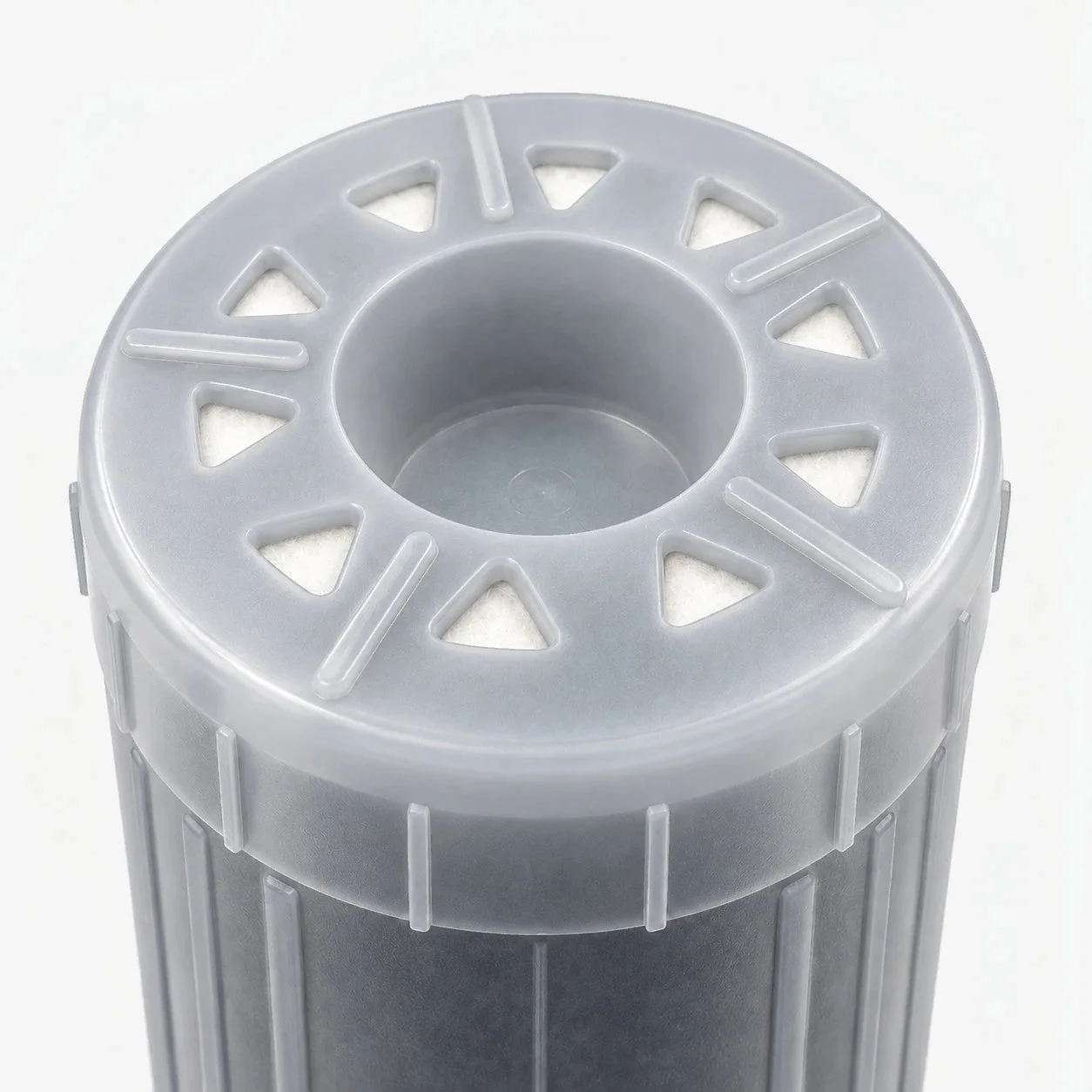
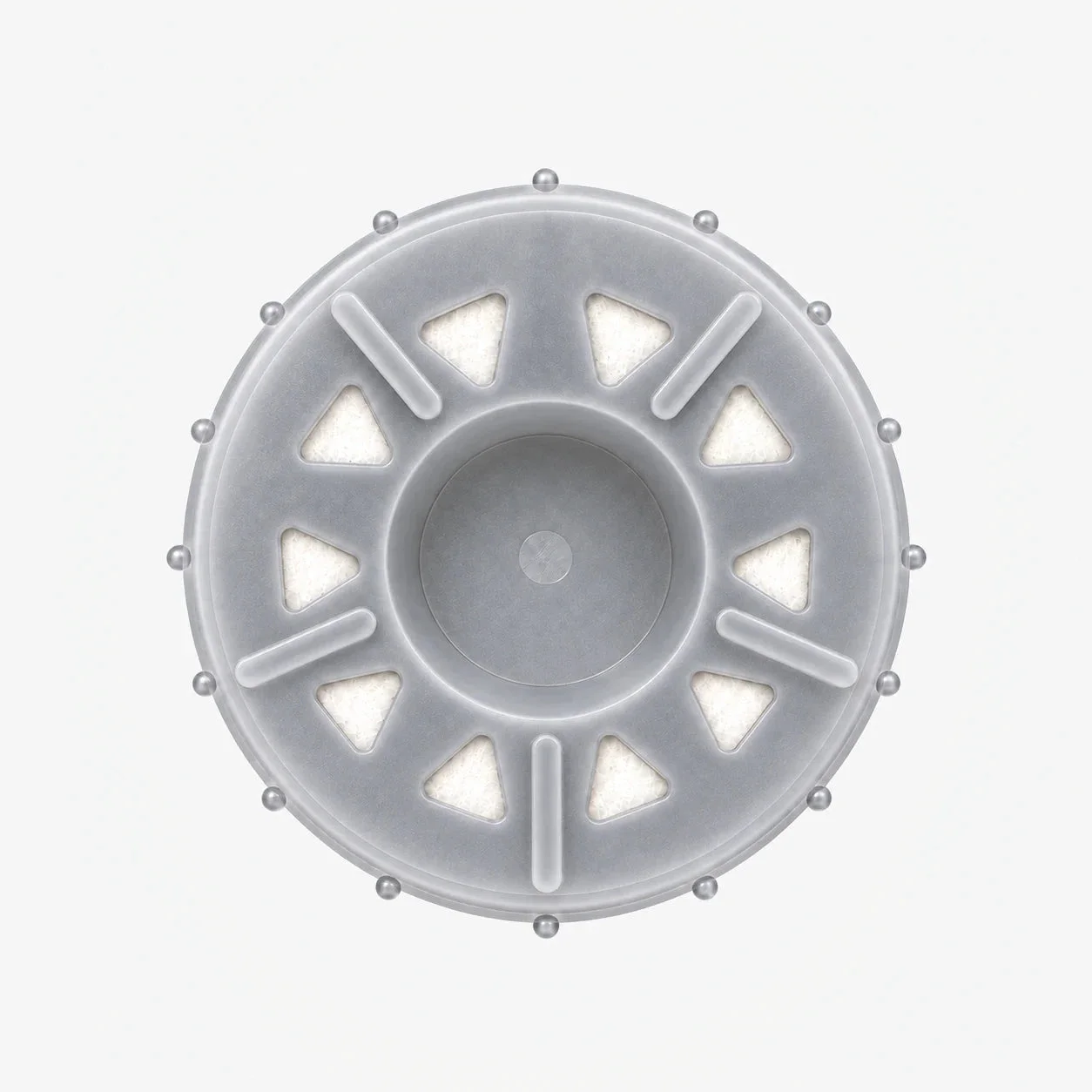
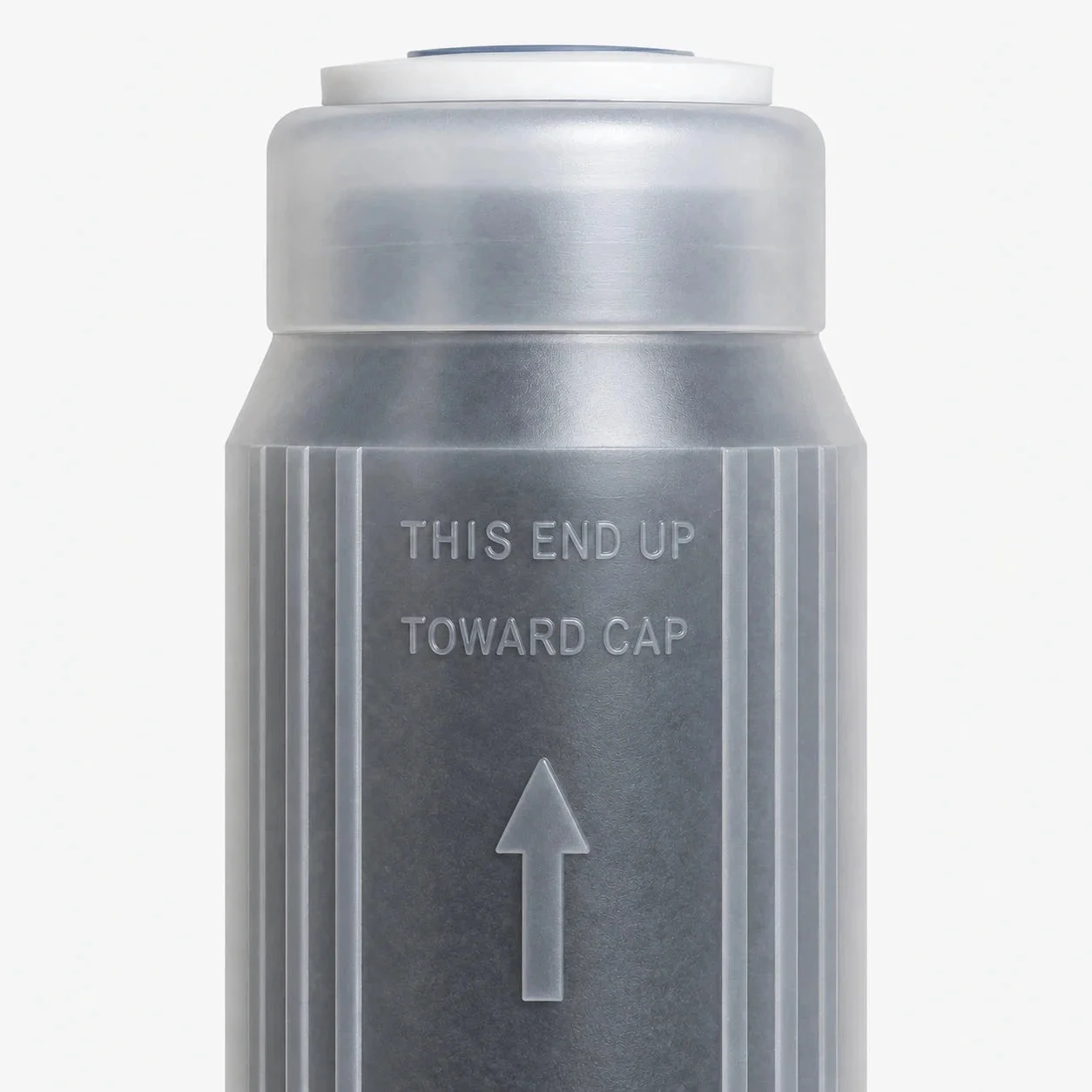
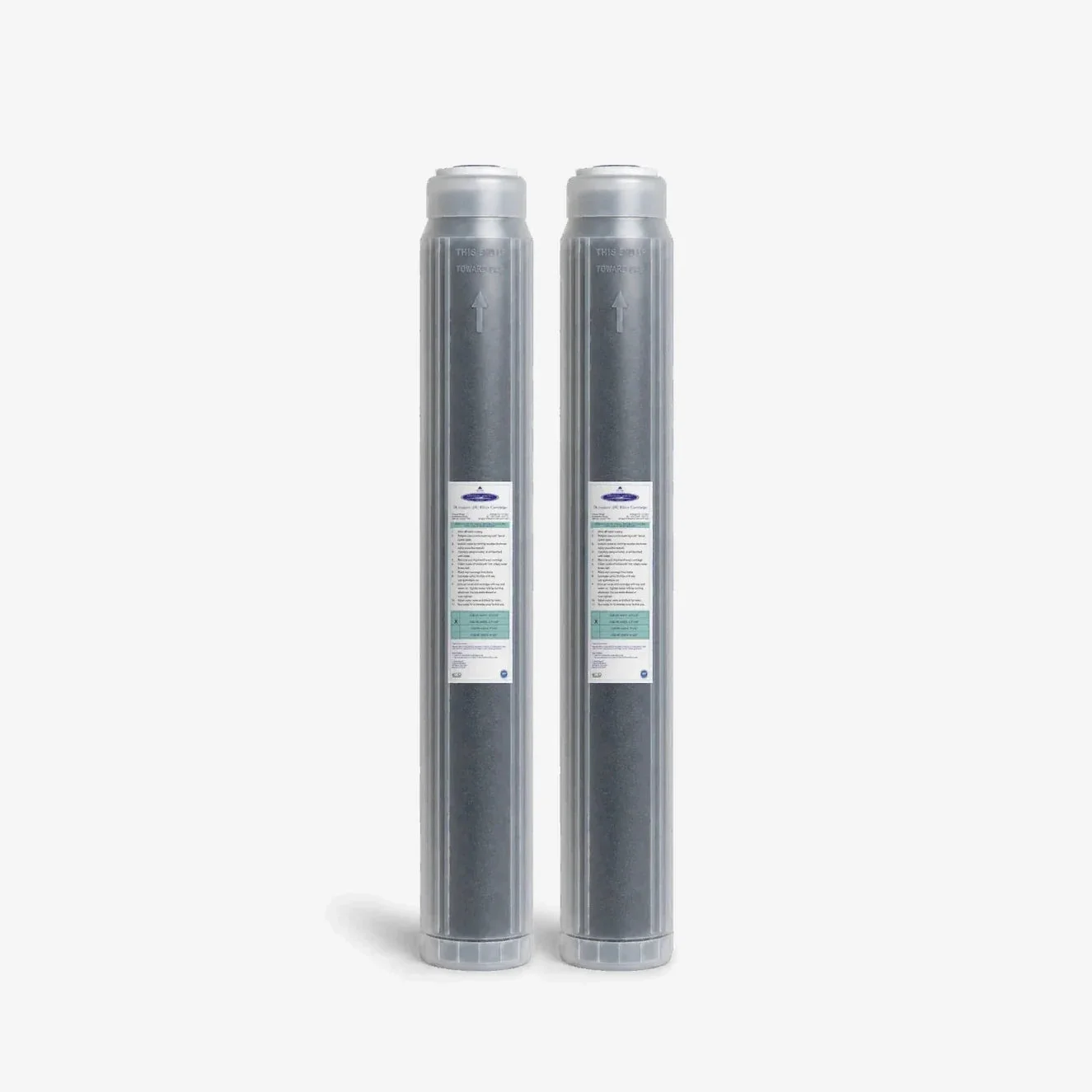
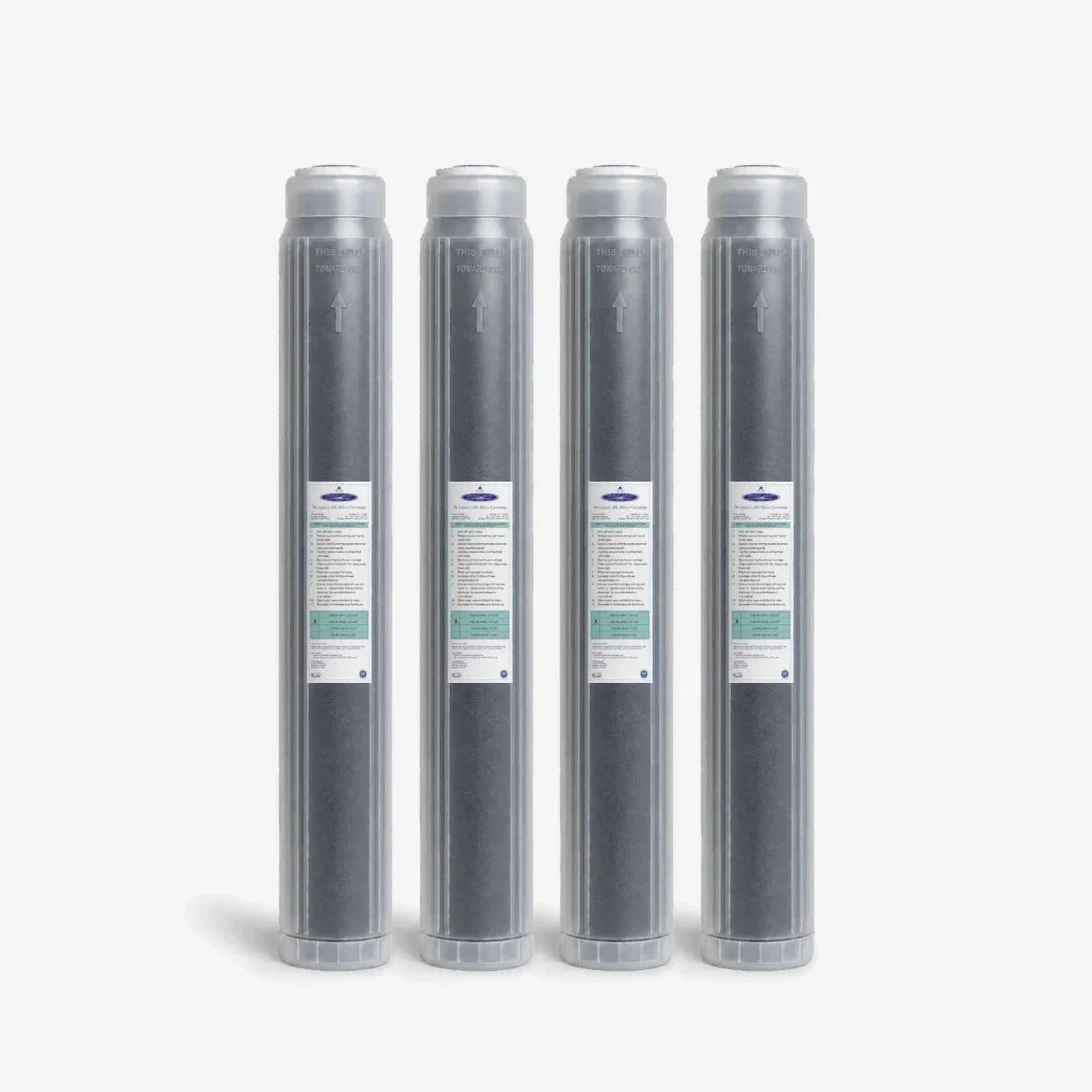
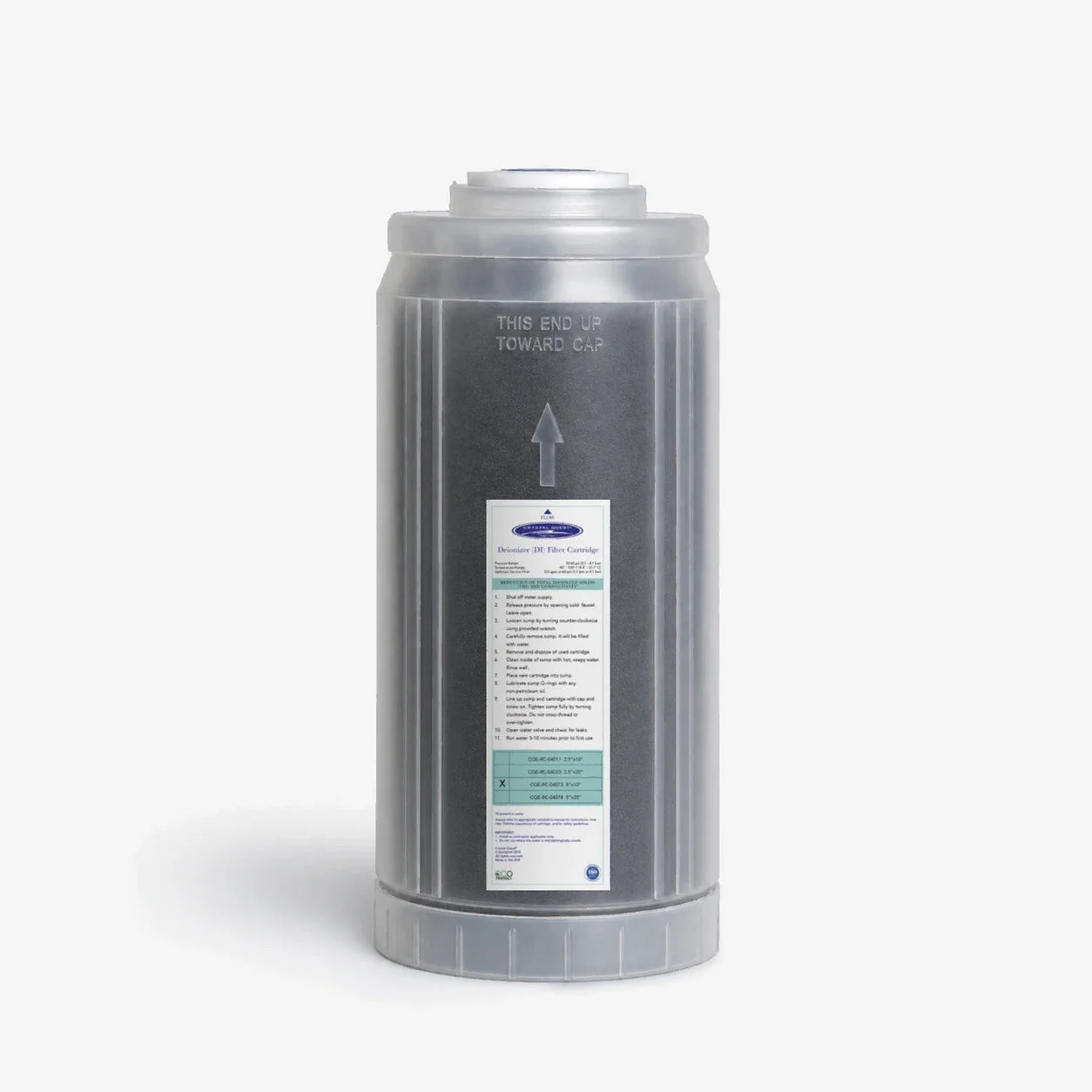
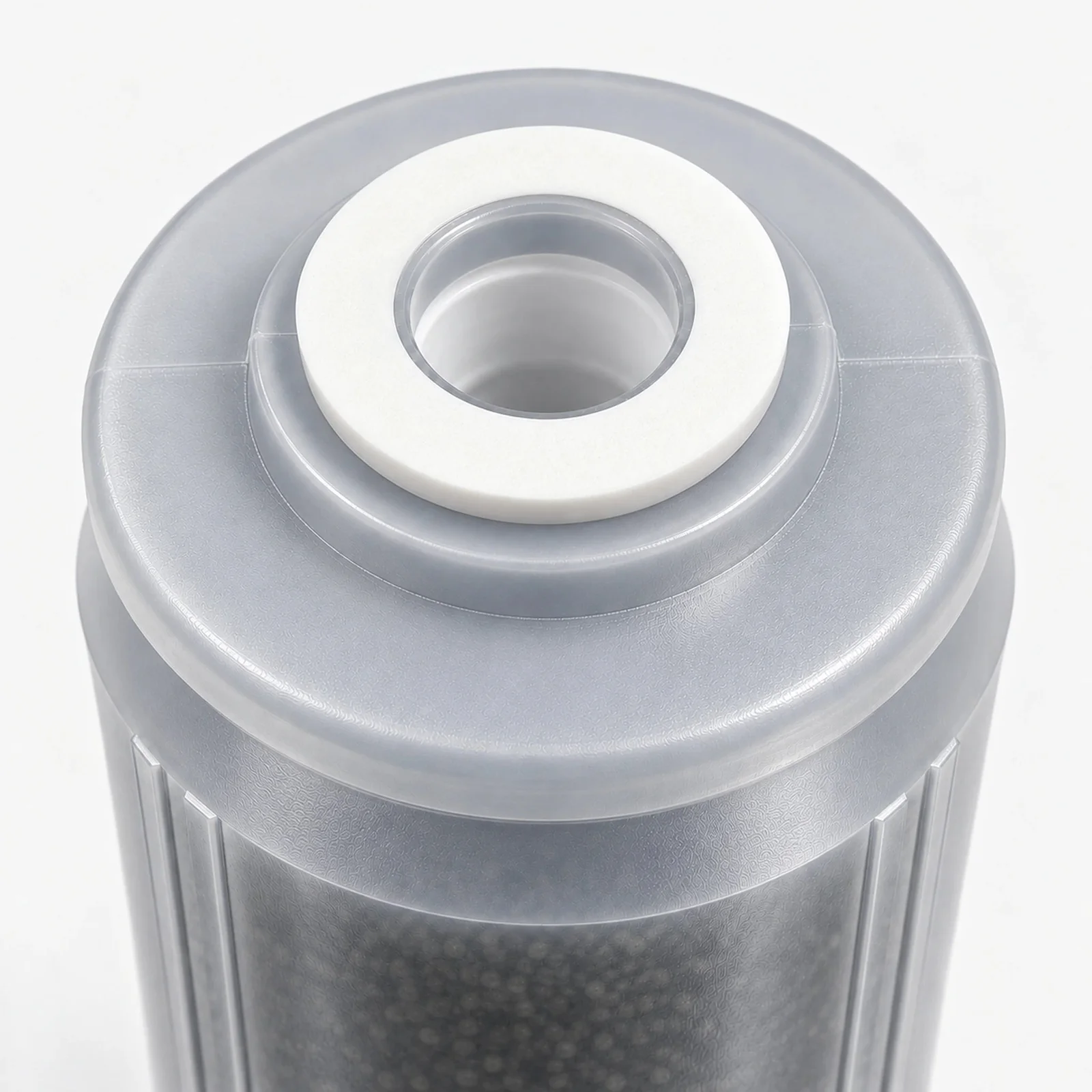
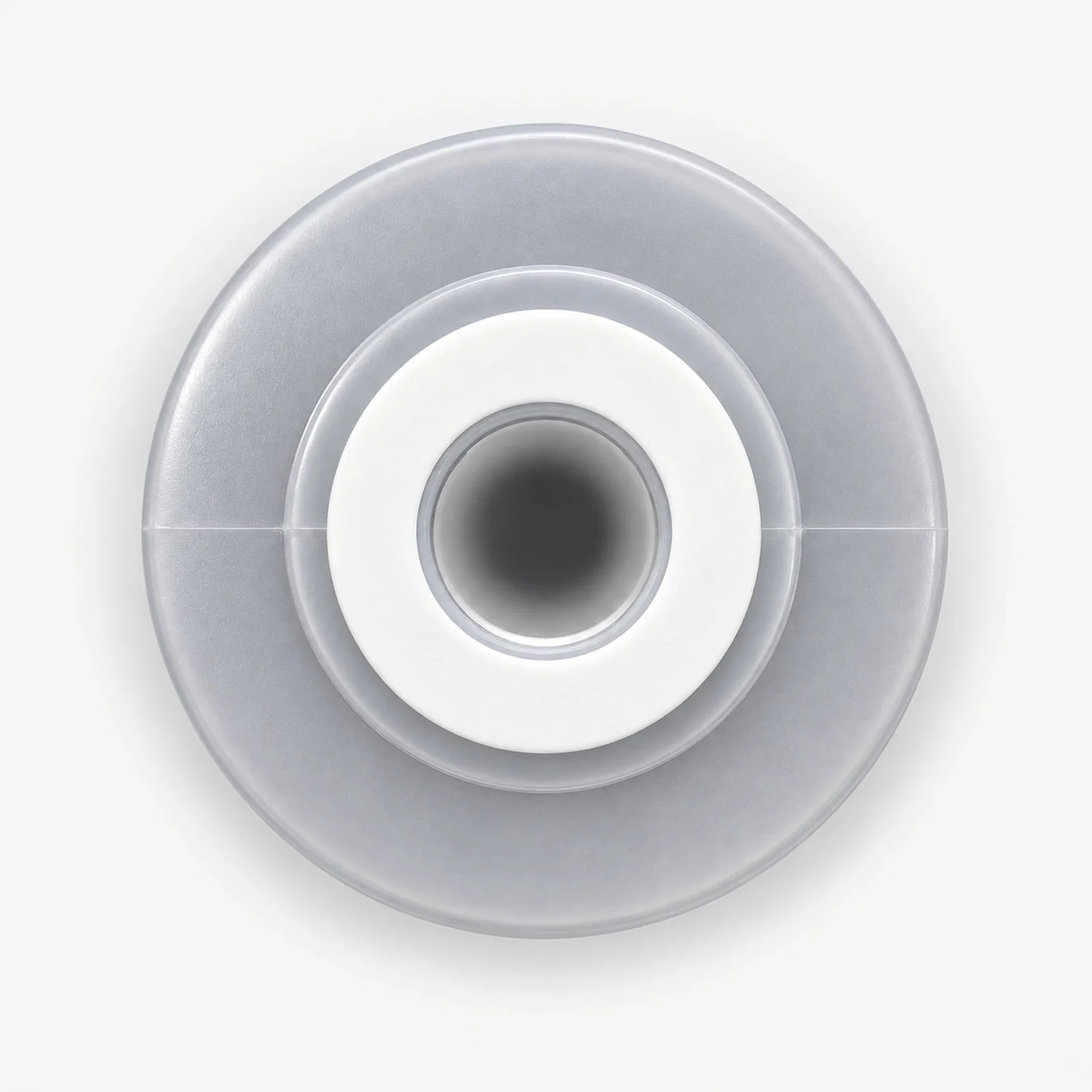
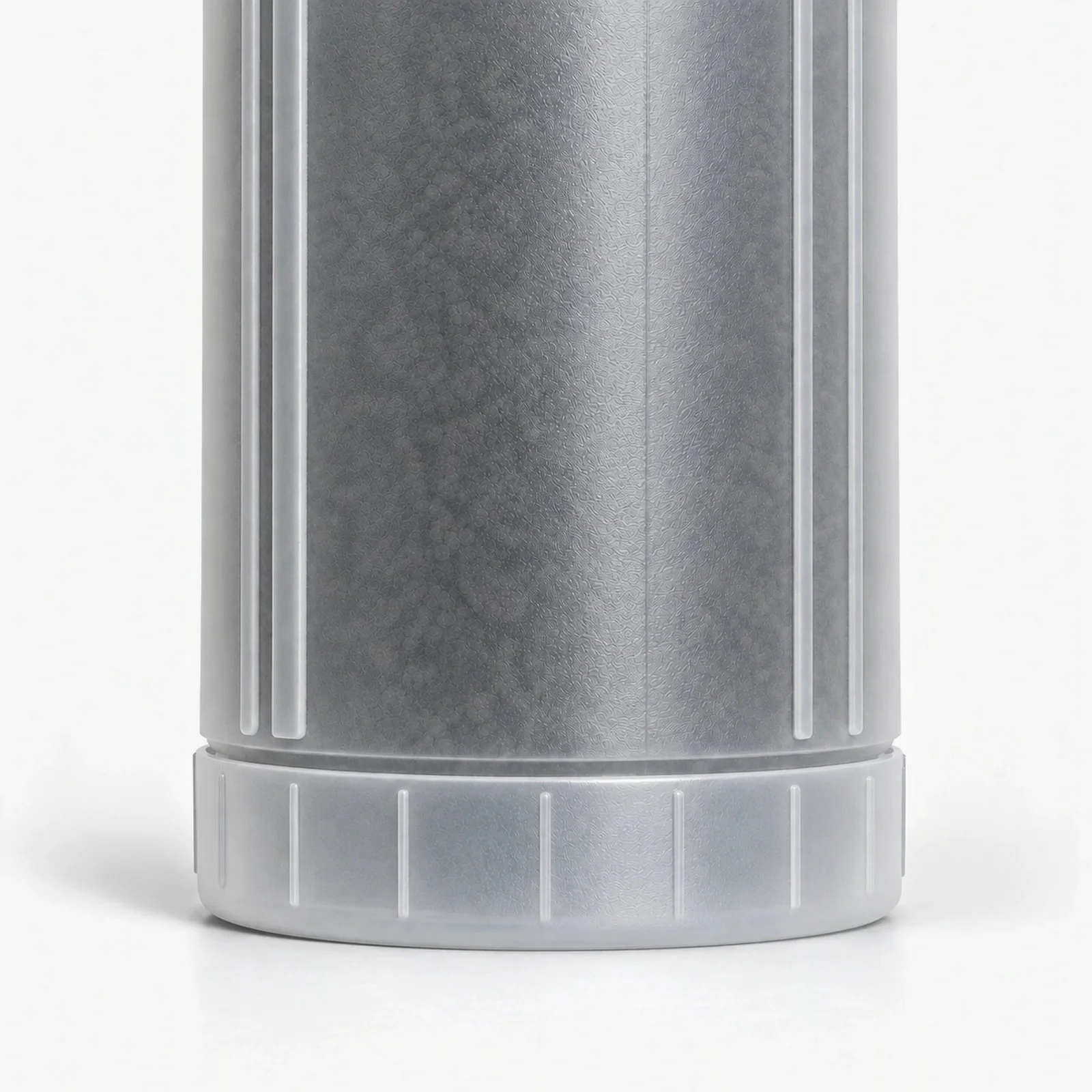
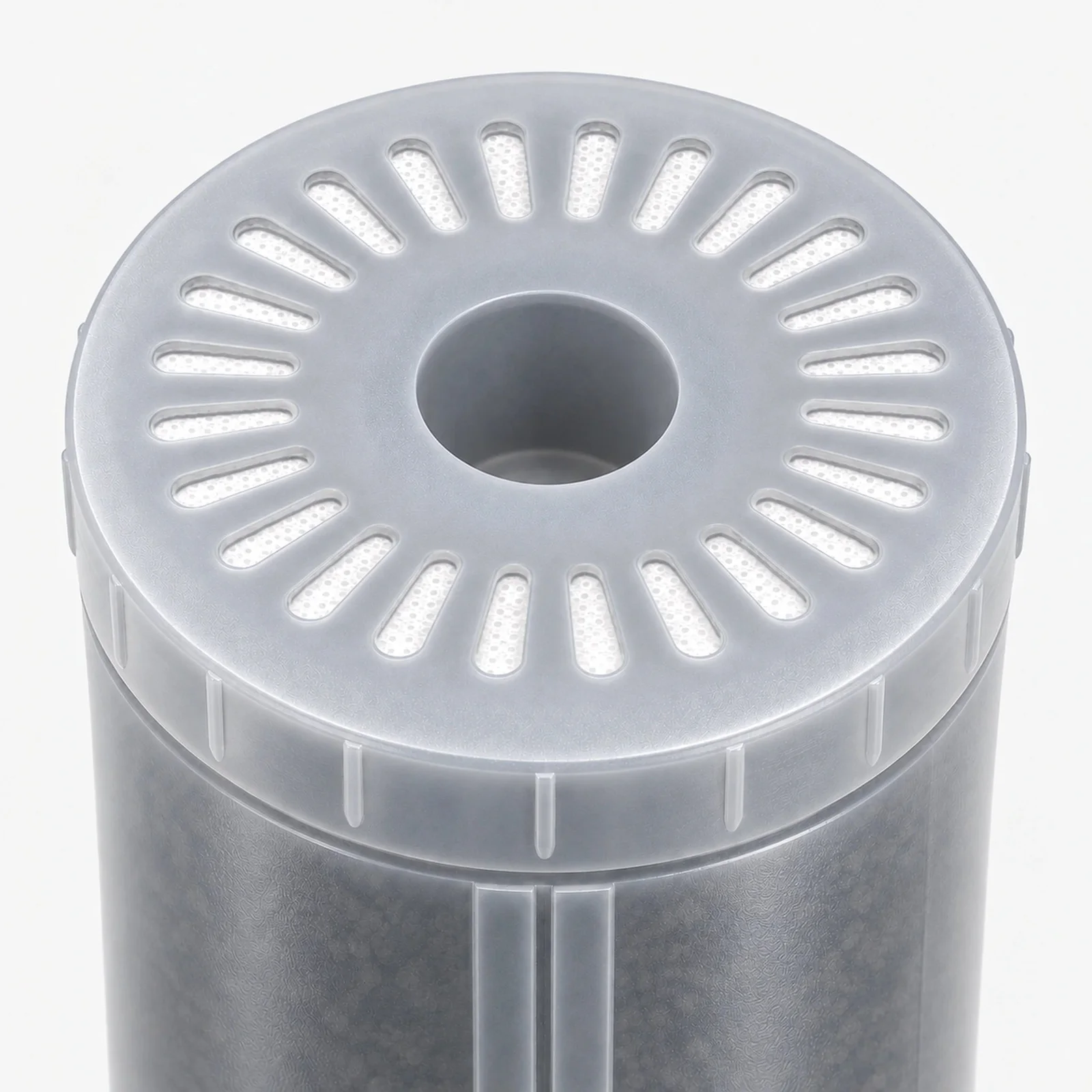
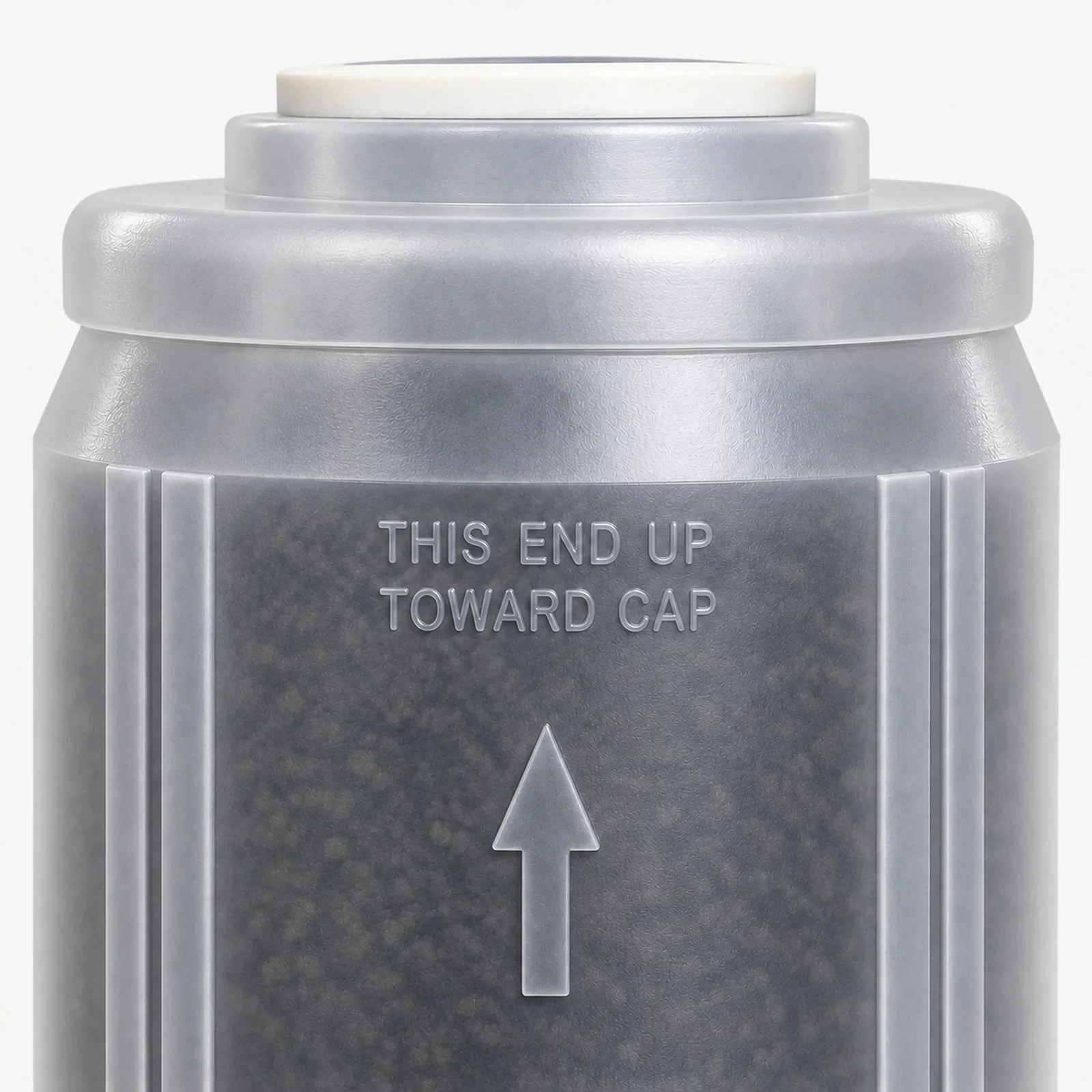
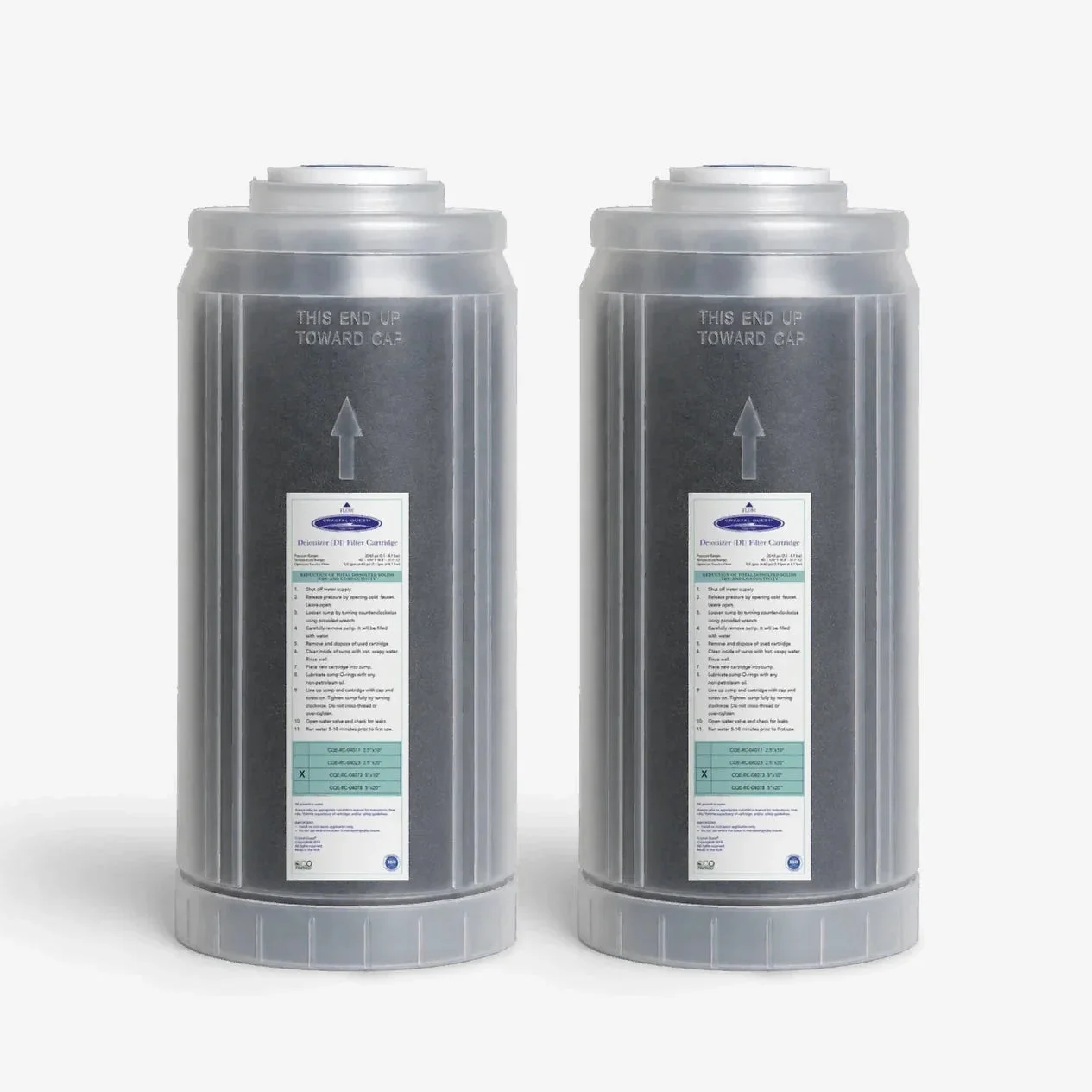
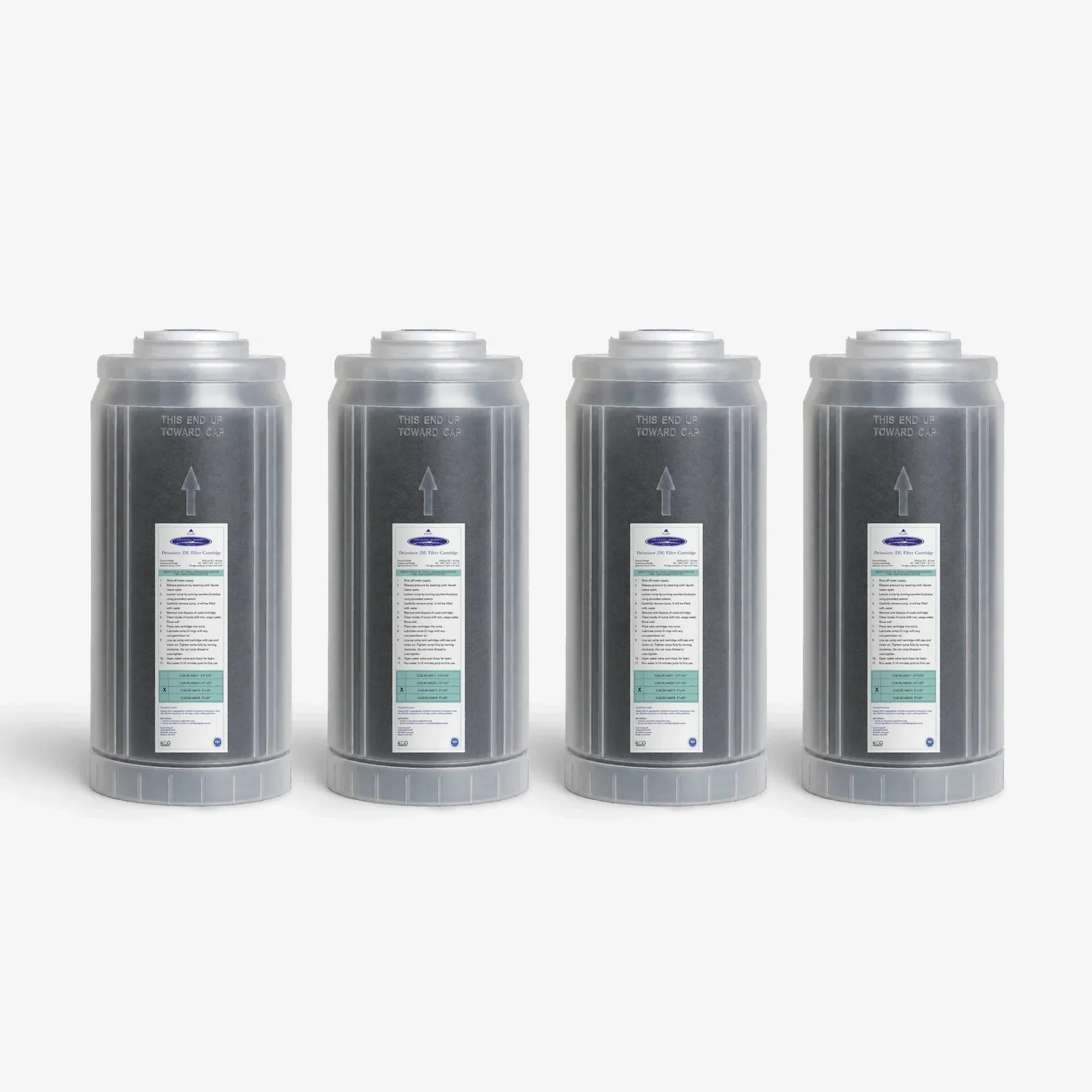
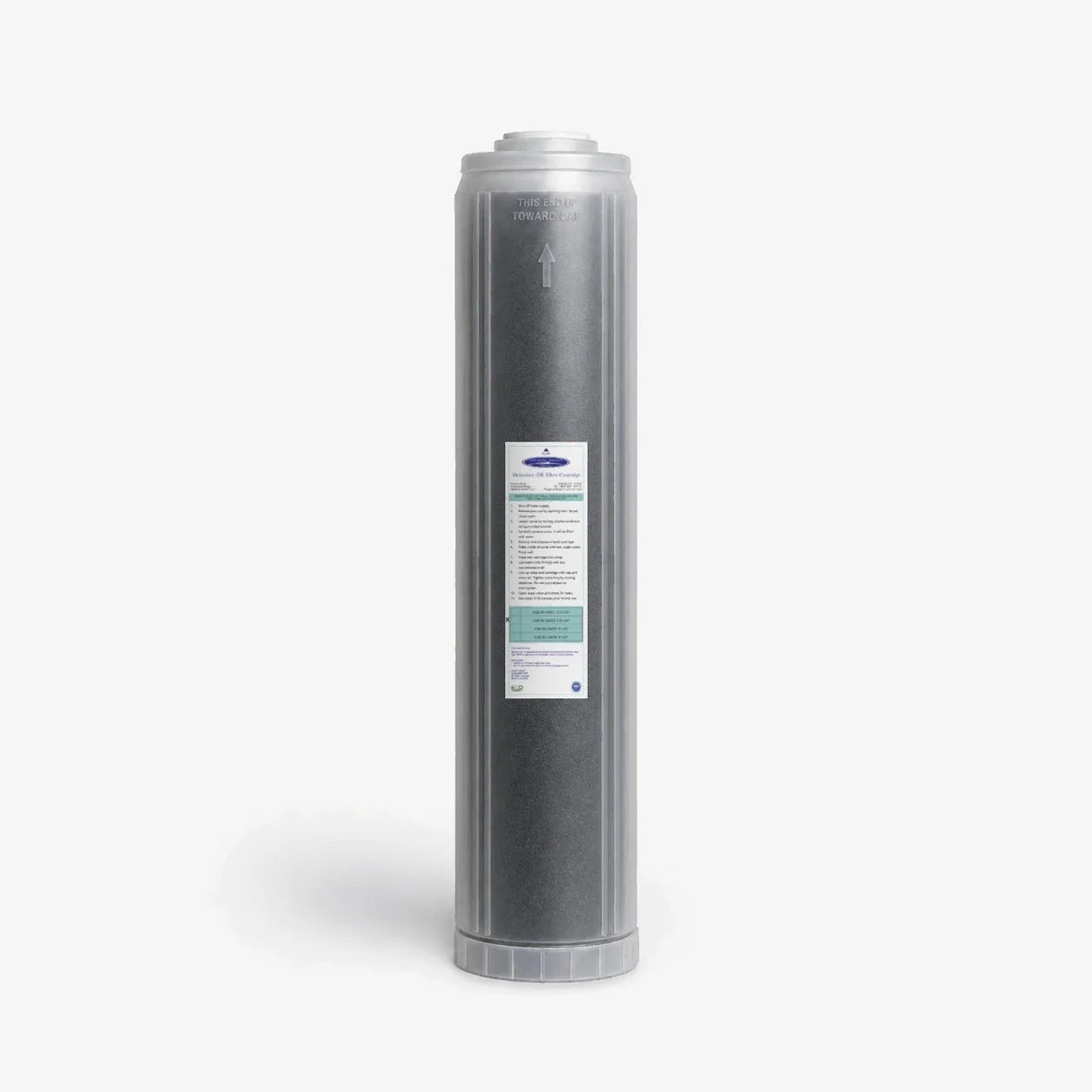
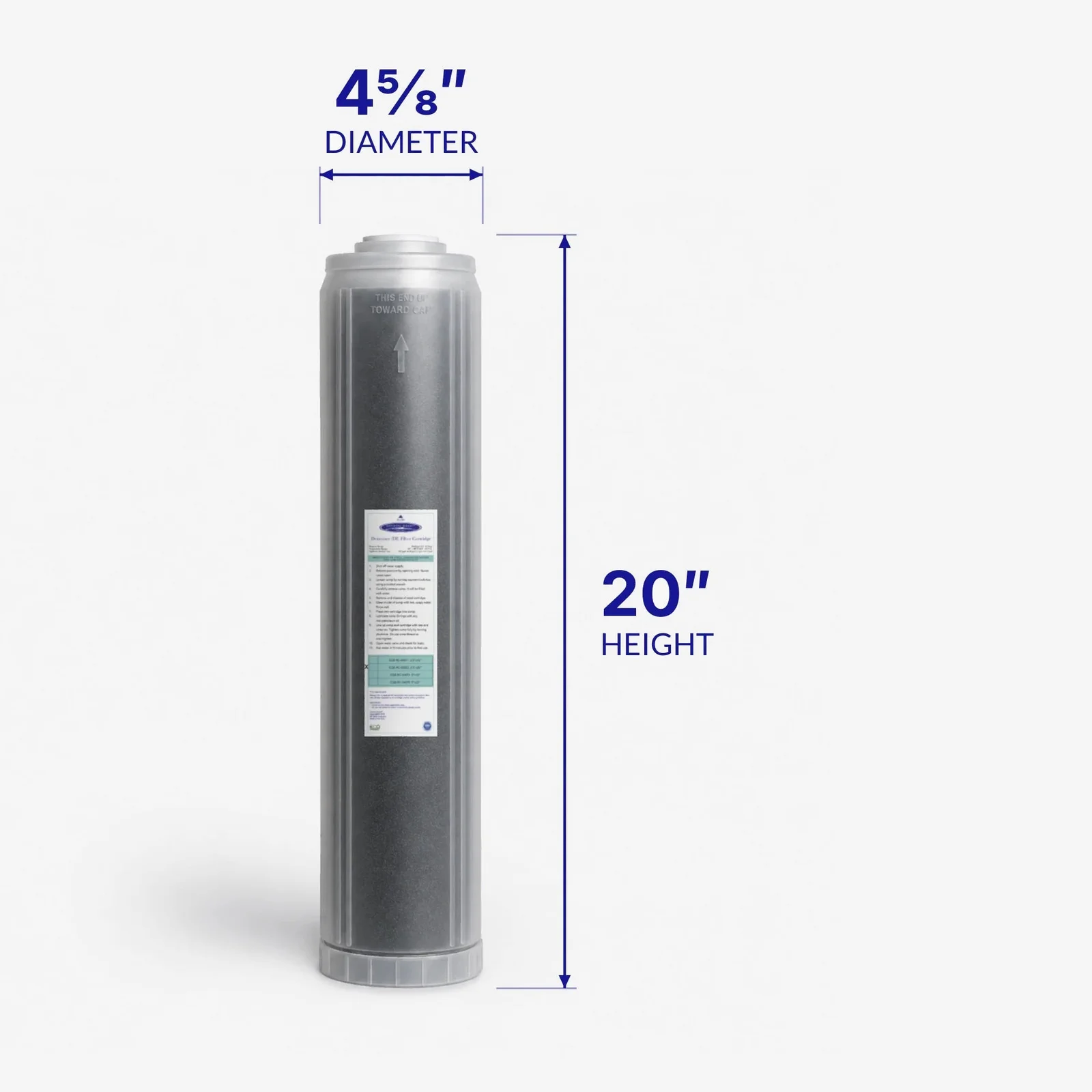
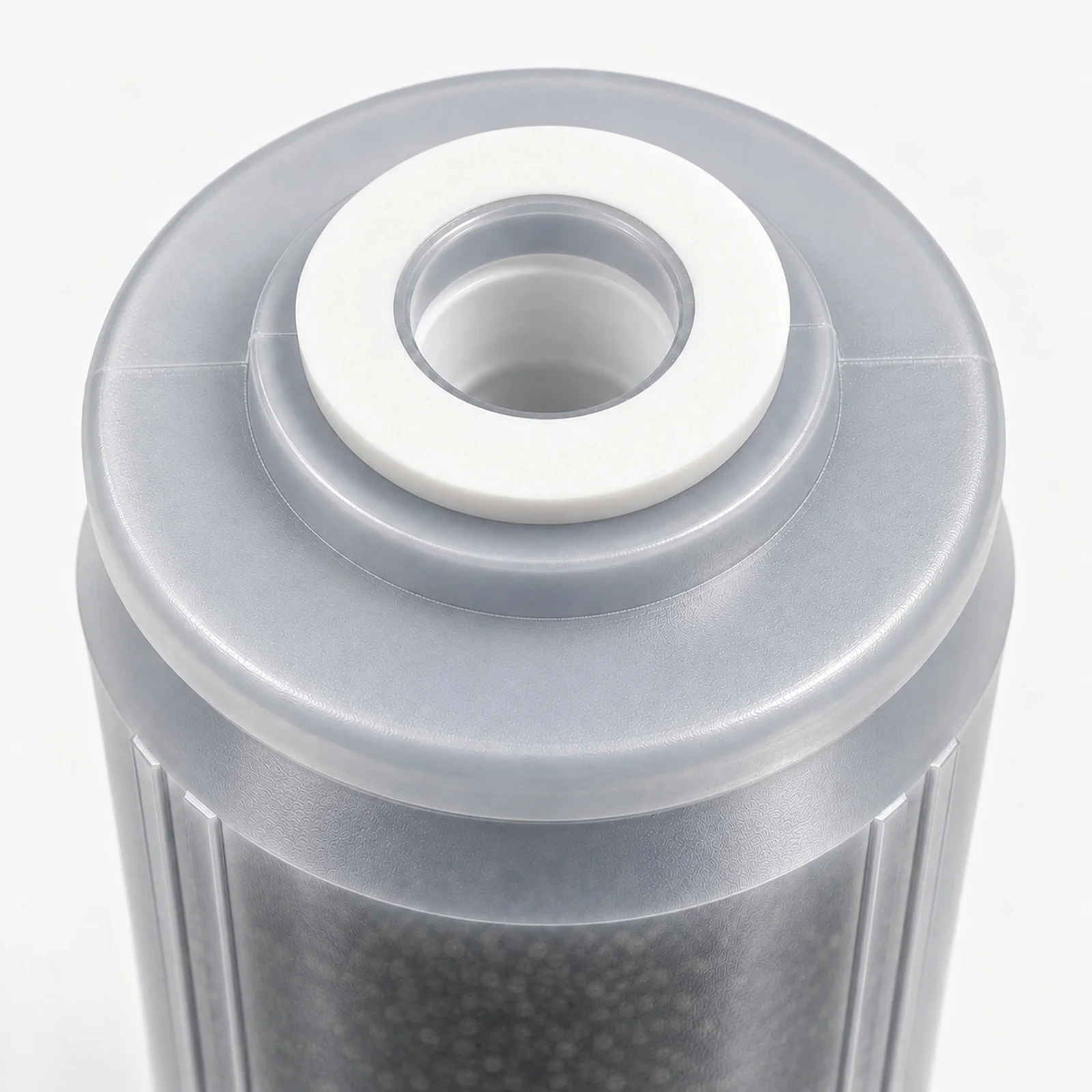
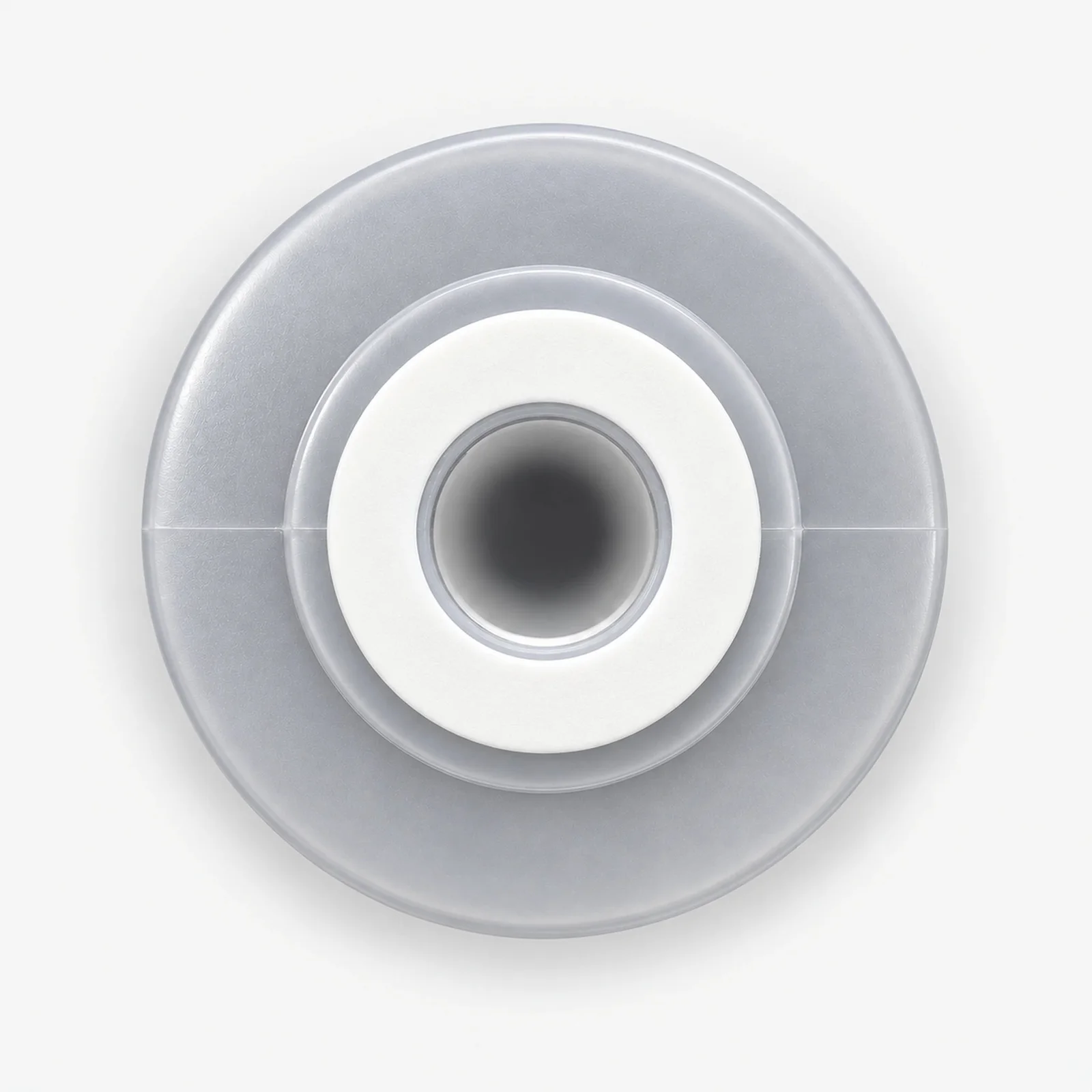
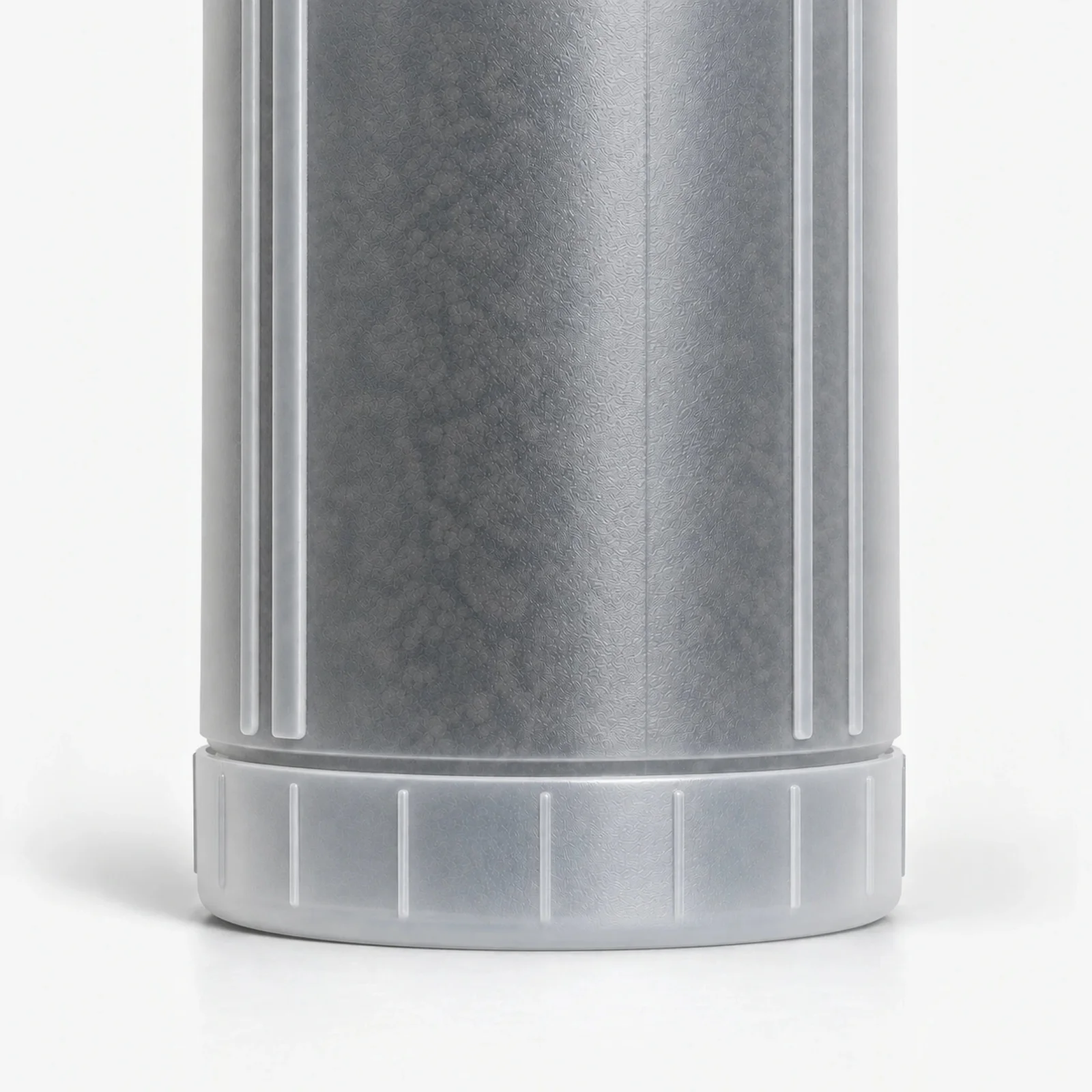
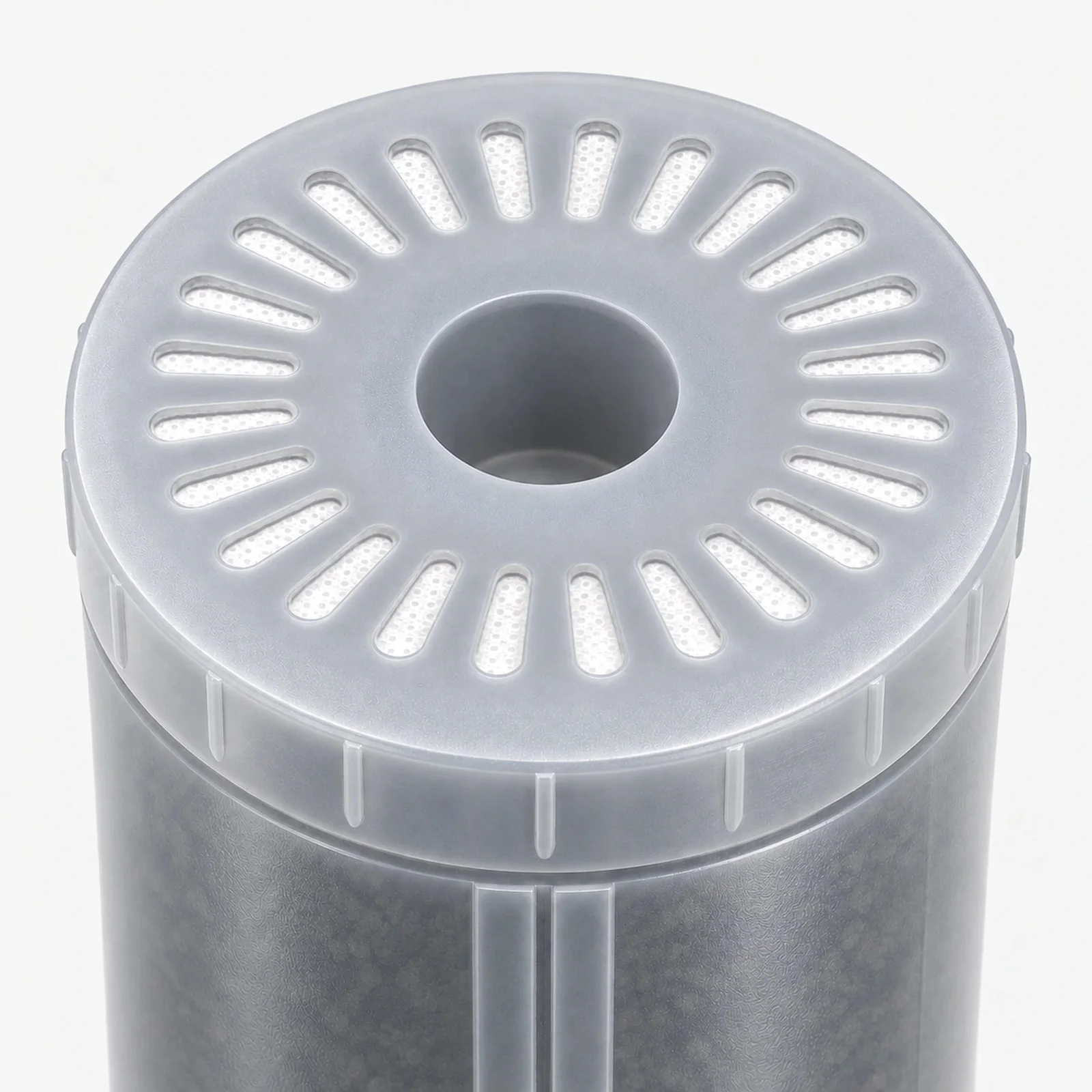
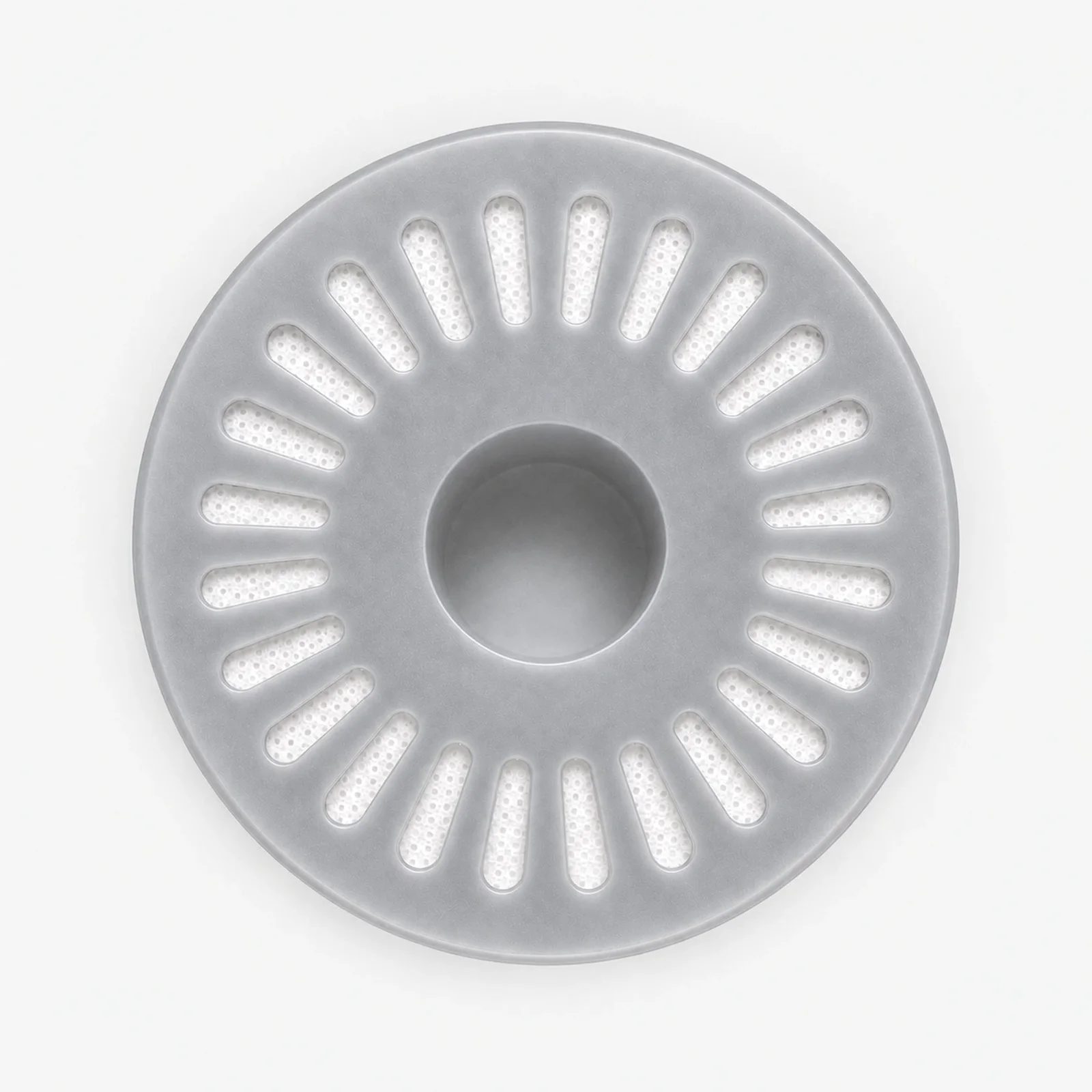
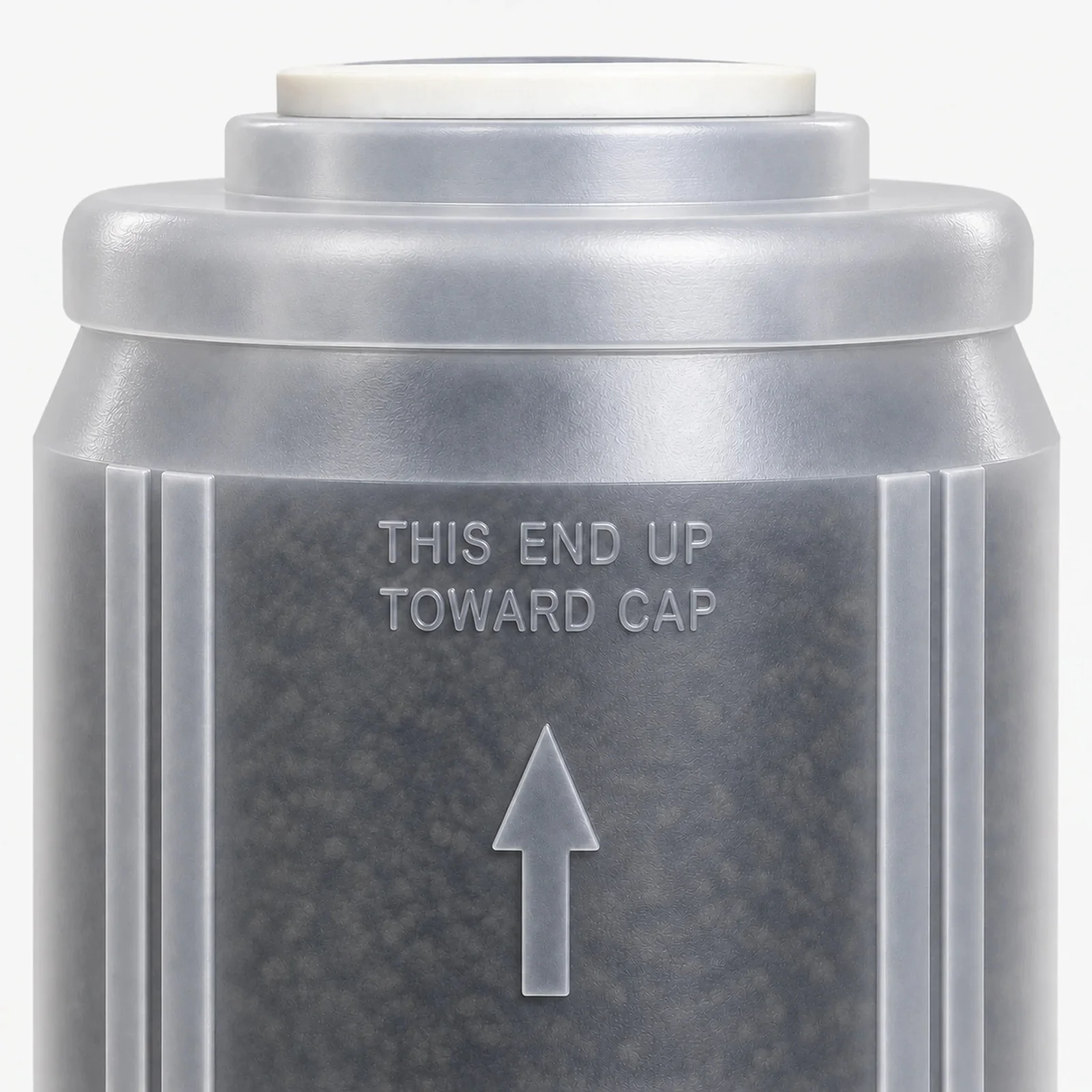
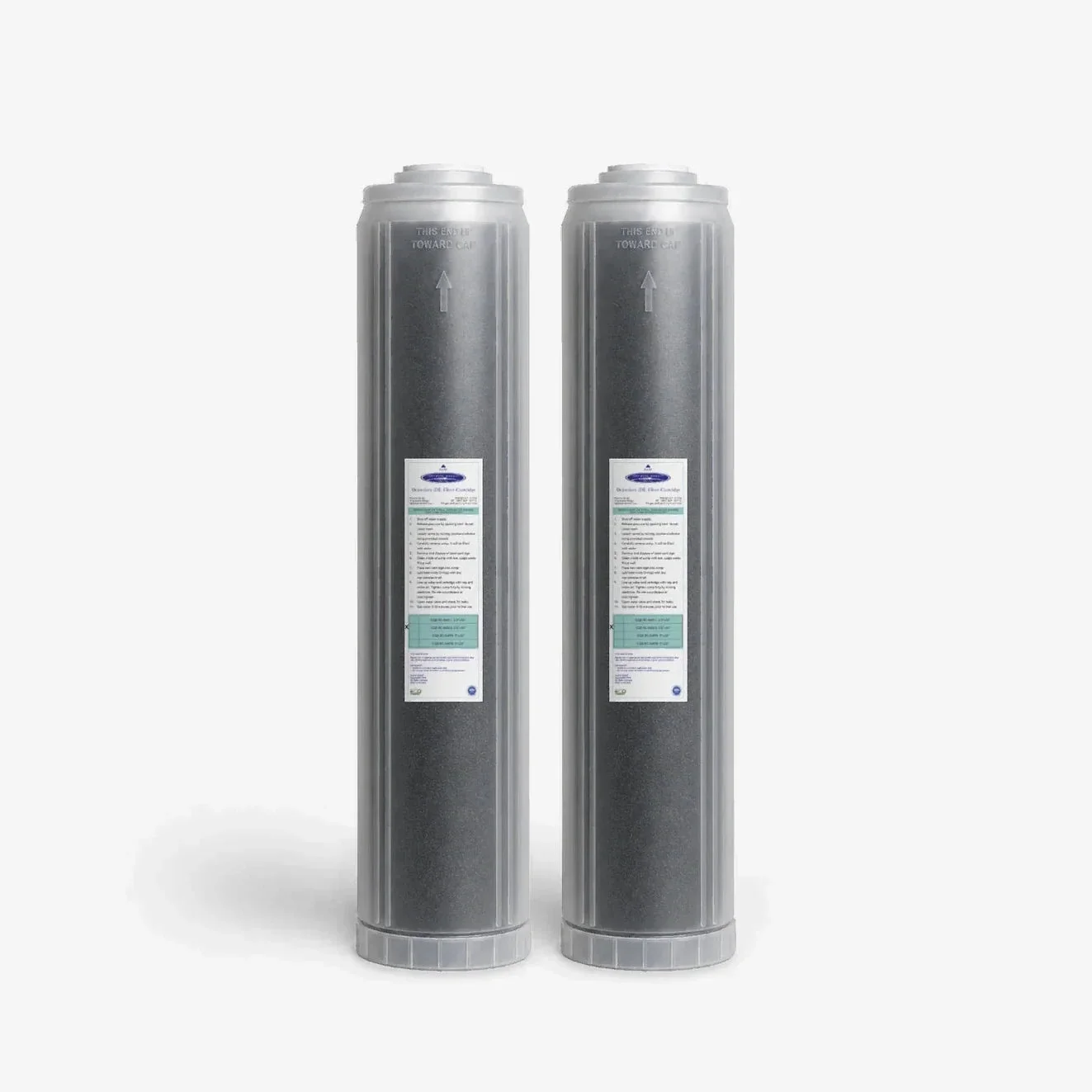
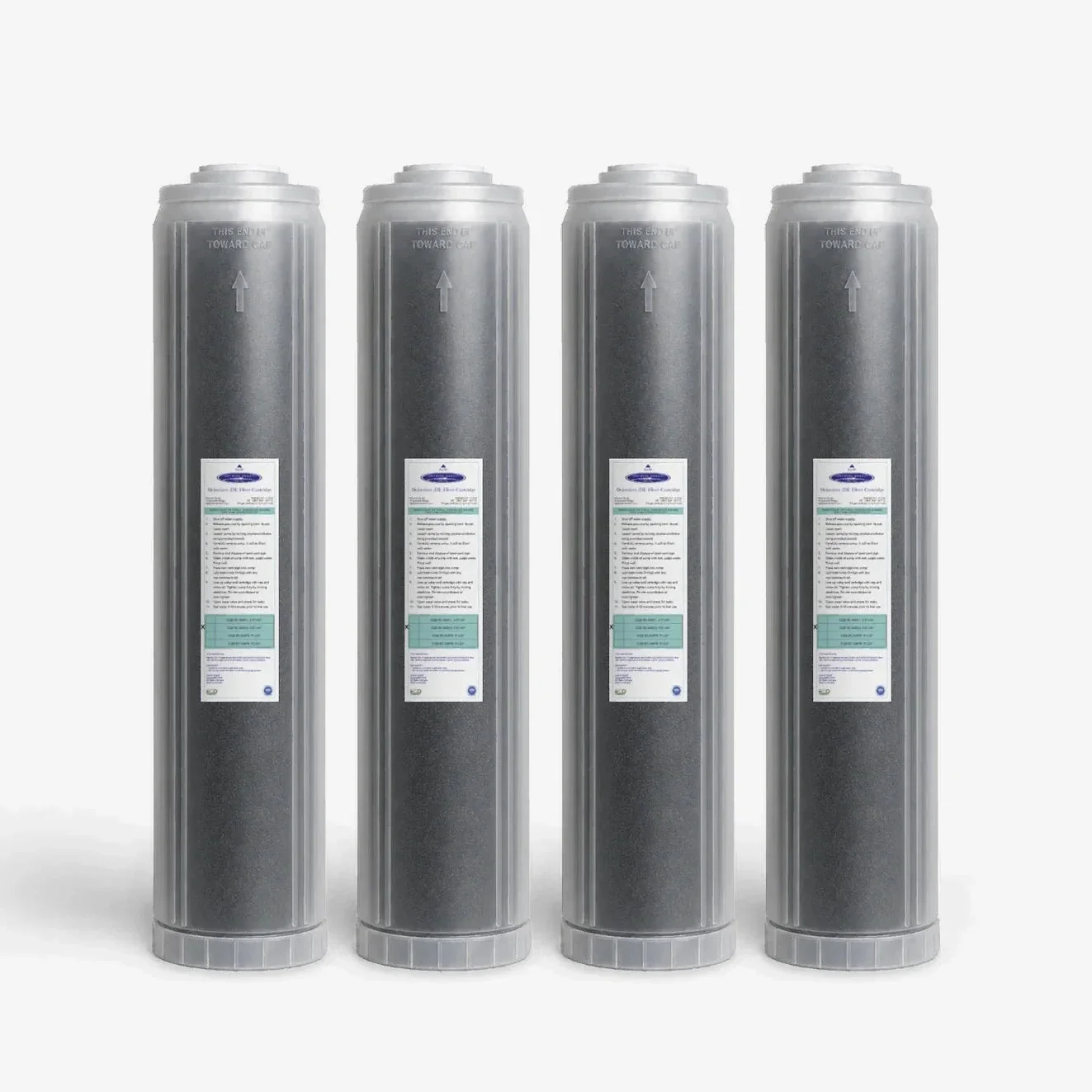
Ultra High Purity DI Resin Cartridge, clear cartridge filled with dark resin with white label and embossed arrow, front view
Ultra High Purity DI Resin Cartridge
Can you match this part’s SKU, size and connections to the system label or manual?
- Worth considering for
- Existing system owners who can match a part number and configuration before ordering.
From $69.00
Archived USD price · Check today’s price with Crystal Quest.
View at Crystal Quest Read our assessmentAffiliate link. We may earn a commission if you purchase. Our disclosure
A documentation-based review of the manufacturer’s listing and specifications. How we reviewed it
Our assessment
The most useful starting point in this listing is its published output (2-7/8" sizes): 14 to 18 megohm-cm resistivity. That gives you a concrete detail to compare, but the decision still depends on the exact configuration and your intended use.
What the listing gives you
- Output (2-7/8" sizes)
14 to 18 megohm-cm resistivity — as listed by Crystal Quest. Use this as a comparison point for the matching model.
- Temperature range
40°F (5°C) to 85°F (29°C) — as listed by Crystal Quest. Use this as a comparison point for the matching model.
- Configuration choices are documented
Size: 2-7/8" x 9-3/4", 2-7/8" x 20", 4-5/8" x 9-3/4", 4-5/8" x 20". Quantity: Single, Pack of 2, Pack of 4
What deserves a closer look
- Fit comes first
A similar photograph or product name does not establish compatibility. Confirm the exact part and its position in your system with Crystal Quest.
- Look beyond the listed price
Keep the original model number and replacement record. Check whether the listing describes one component, a multi-part kit or a complete system.
- Compare the same configuration
The source lists 12 configurations. Use the model and part-number table below so that a size, package or optional component is not mistaken for a different specification.
These are our reading of the published information and our buying considerations. They are not measured performance results.
The specifications, in context.
Values below are published by Crystal Quest. Specifications may describe different configurations; read the model labels and compare the complete source tables in the reference section.
- Output (2-7/8" sizes)
- 14 to 18 megohm-cm resistivity
- Temperature range
- 40°F (5°C) to 85°F (29°C)
- Pressure range
- 20 psi (1.4 bar) to 125 psi (8.6 bar)
- Micron rating
- 25 micron
DI resin cartridge specificationsOriginal technical table 1 of 3
| SKU | SIZE | FITS HOUSING | OPERATING / MAX FLOW | CAPACITY (GRAINS AS CaCO3) |
EST. GALLONS (200 PPM / 10 PPM FEED) |
| CQE-RC-0500 | 2-7/8" x 9-3/4" | 2.5" x 10" | 0.2 / 0.3 gpm | 450 grains* | 33 / 680 gallons* |
| CQE-RC-0501 | 2-7/8" x 20" | 2.5" x 20" | 0.4 / 0.6 gpm | 900 grains* | 66 / 1,360 gallons* |
| CQE-RC-0502 | 4-5/8" x 9-3/4" | 5" x 10" Big Blue | Contact Crystal Quest to confirm | Contact Crystal Quest to confirm | Contact Crystal Quest to confirm |
| CQE-RC-0503 | 4-5/8" x 20" | 5" x 20" Big Blue | Contact Crystal Quest to confirm | Contact Crystal Quest to confirm | Contact Crystal Quest to confirm |
DI resin cartridge specificationsOriginal technical table 2 of 3
| Media | De-Ionizer |
| Treatment method | Ion exchange: cations exchanged for hydrogen, anions for hydroxide, which combine into water |
| Targets | Dissolved ionic contaminants and total dissolved solids |
| Output (2-7/8" sizes) | 14 to 18 megohm-cm resistivity |
| Use | Technical water only; not intended for drinking use |
| Recommended feed | Reverse osmosis treated water |
| Regeneration | None in the field. Replace when output no longer meets your requirement |
DI resin cartridge specificationsOriginal technical table 3 of 3
| Temperature range | 40°F (5°C) to 85°F (29°C) |
| Pressure range | 20 psi (1.4 bar) to 125 psi (8.6 bar) |
| Micron rating | 25 micron |
| Cap and body | ABS |
| Pad | PE |
| Gasket | EPDM |
All extracted specification rows 13 rows
| Published item | Manufacturer value | Source section |
|---|---|---|
| Media | De-Ionizer | Technical specifications |
| Treatment method | Ion exchange: cations exchanged for hydrogen, anions for hydroxide, which combine into water | Technical specifications |
| Targets | Dissolved ionic contaminants and total dissolved solids | Technical specifications |
| Output (2-7/8" sizes) | 14 to 18 megohm-cm resistivity | Technical specifications |
| Use | Technical water only; not intended for drinking use | Technical specifications |
| Recommended feed | Reverse osmosis treated water | Technical specifications |
| Regeneration | None in the field. Replace when output no longer meets your requirement | Technical specifications |
| Temperature range | 40°F (5°C) to 85°F (29°C) | Technical specifications |
| Pressure range | 20 psi (1.4 bar) to 125 psi (8.6 bar) | Technical specifications |
| Micron rating | 25 micron | Technical specifications |
| Cap and body | ABS | Technical specifications |
| Pad | PE | Technical specifications |
| Gasket | EPDM | Technical specifications |
Multi-column comparison tables are preserved in full under Manufacturer reference.
Choose the configuration carefully.
A similar photograph or product name does not establish compatibility. Confirm the exact part and its position in your system with Crystal Quest.
Model & part-number reference 12 configurations
This is a reference table, not an ordering form. SKU and option names are reproduced from the manufacturer snapshot.
| Configuration | Part number / SKU | Listed price (USD) |
|---|---|---|
| 2-7/8" x 9-3/4" / Single | CQE-RC-0500 | $69.00 |
| 2-7/8" x 9-3/4" / Pack of 2 | CQE-RC-0500-2PK | $138.00 |
| 2-7/8" x 9-3/4" / Pack of 4 | CQE-RC-0500-4PK | $276.00 |
| 2-7/8" x 20" / Single | CQE-RC-0501 | $129.00 |
| 2-7/8" x 20" / Pack of 2 | CQE-RC-0501-2PK | $258.00 |
| 2-7/8" x 20" / Pack of 4 | CQE-RC-0501-4PK | $516.00 |
| 4-5/8" x 9-3/4" / Single | CQE-RC-0502 | $134.00 |
| 4-5/8" x 9-3/4" / Pack of 2 | CQE-RC-0502-2PK | $268.00 |
| 4-5/8" x 9-3/4" / Pack of 4 | CQE-RC-0502-4PK | $536.00 |
| 4-5/8" x 20" / Single | CQE-RC-0503 | $189.00 |
| 4-5/8" x 20" / Pack of 2 | CQE-RC-0503-2PK | $378.00 |
| 4-5/8" x 20" / Pack of 4 | CQE-RC-0503-4PK | $756.00 |
Price snapshot from November 8, 2026. This is not a current offer or a stock confirmation.
Think beyond day one.
Keep the original model number and replacement record. Check whether the listing describes one component, a multi-part kit or a complete system.
- Match the exact model or SKU before relying on an installation diagram or replacement schedule.
- Ask what the quoted package includes and what must be supplied separately.
- Keep the manufacturer’s operating instructions with your service and replacement records.
Frequently asked questions
Can you match this part’s SKU, size and connections to the system label or manual?Our reading
The most useful starting point in this listing is its published output (2-7/8" sizes): 14 to 18 megohm-cm resistivity. That gives you a concrete detail to compare, but the decision still depends on the exact configuration and your intended use.
Who is Ultra High Purity DI Resin Cartridge worth considering for?Best fit
Existing system owners who can match a part number and configuration before ordering.
What are the configuration constraints and installation requirements?Fit & plumbing
A similar photograph or product name does not establish compatibility. Confirm the exact part and its position in your system with Crystal Quest.
What are the ongoing maintenance and filter replacement considerations?Ownership costs
Keep the original model number and replacement record. Check whether the listing describes one component, a multi-part kit or a complete system.
Go back to the source.
The full product information below is supplied by Crystal Quest, including its own descriptions and claims. We have reorganized the typography and tables for reading. This material is separate from Elorova’s assessment.
Product overviewManufacturer material
Water spots on a freshly washed car. Algae in a reef tank that keeps coming back. Lab results thrown off by trace minerals. Each comes down to the same thing: dissolved solids that ordinary filters, and even reverse osmosis, leave behind in small amounts. When the job needs water with almost nothing dissolved in it, the answer is deionization.
The Crystal Quest Ultra High Purity DI Resin Cartridge is a mixed bed deionization (DI) cartridge. It is filled with a blend of two ion exchange resins that together remove dissolved ionic contaminants and drive total dissolved solids (TDS) toward zero. It is built as the final polishing stage after reverse osmosis, for reef-keeping, laboratory water, rinsing and plating, and spot-free washing.
Not intended for drinking use. This cartridge makes technical water for the uses above. See why below.
At a glance
- Mixed bed DI resin that removes both positive and negative dissolved ions in one pass
- Ultra pure output: rated 14 to 18 megohm-cm resistivity for the published slim sizes
- Made for polishing RO water, where it lasts many times longer than on tap water
- Capacity stated in grains, with gallons published at two feed water levels
- Four sizes for standard 2.5" and Big Blue housings
What you are looking at
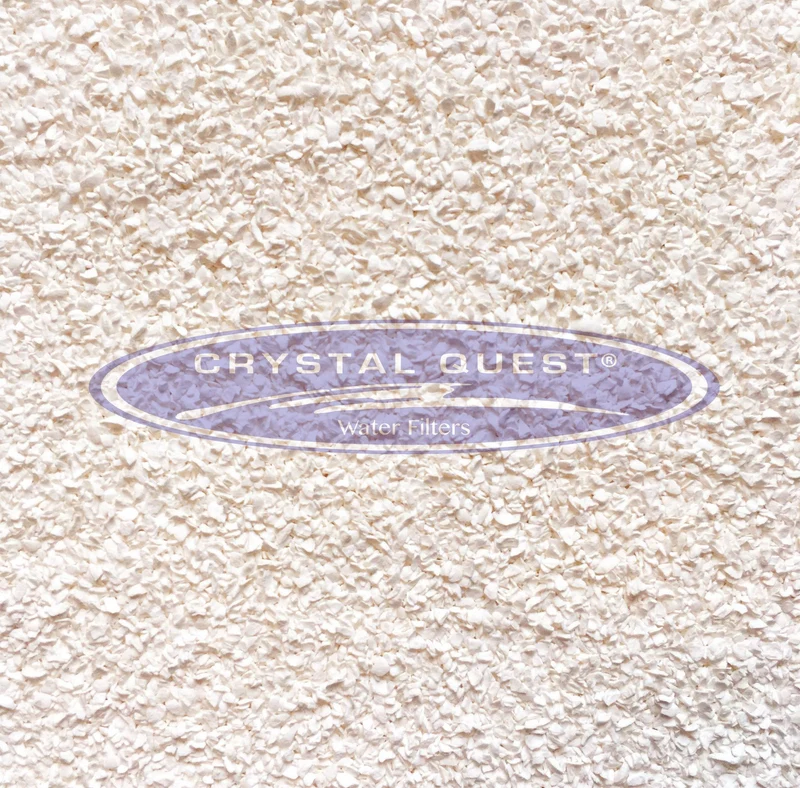
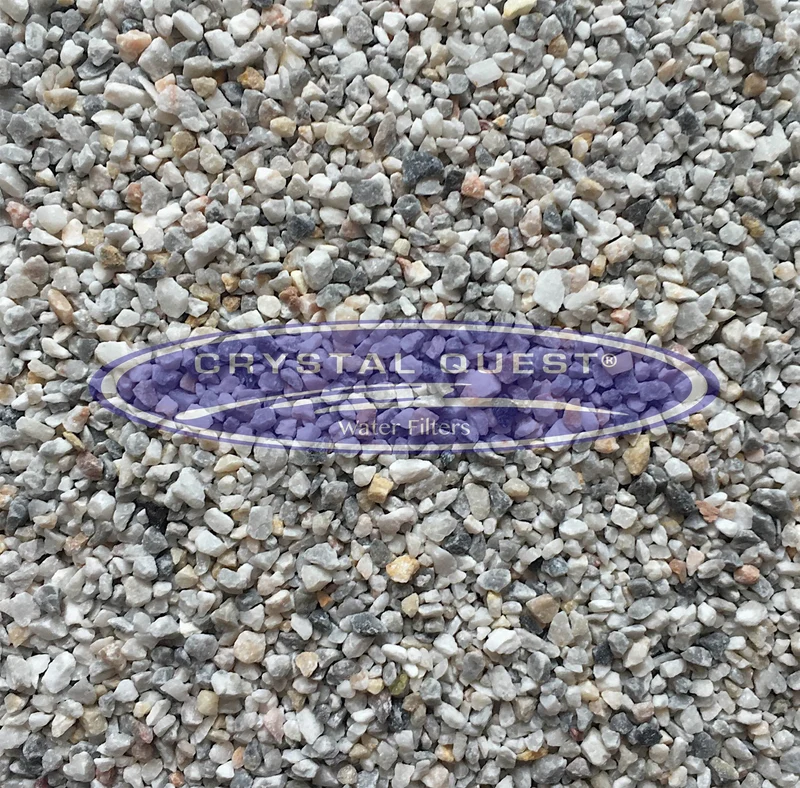
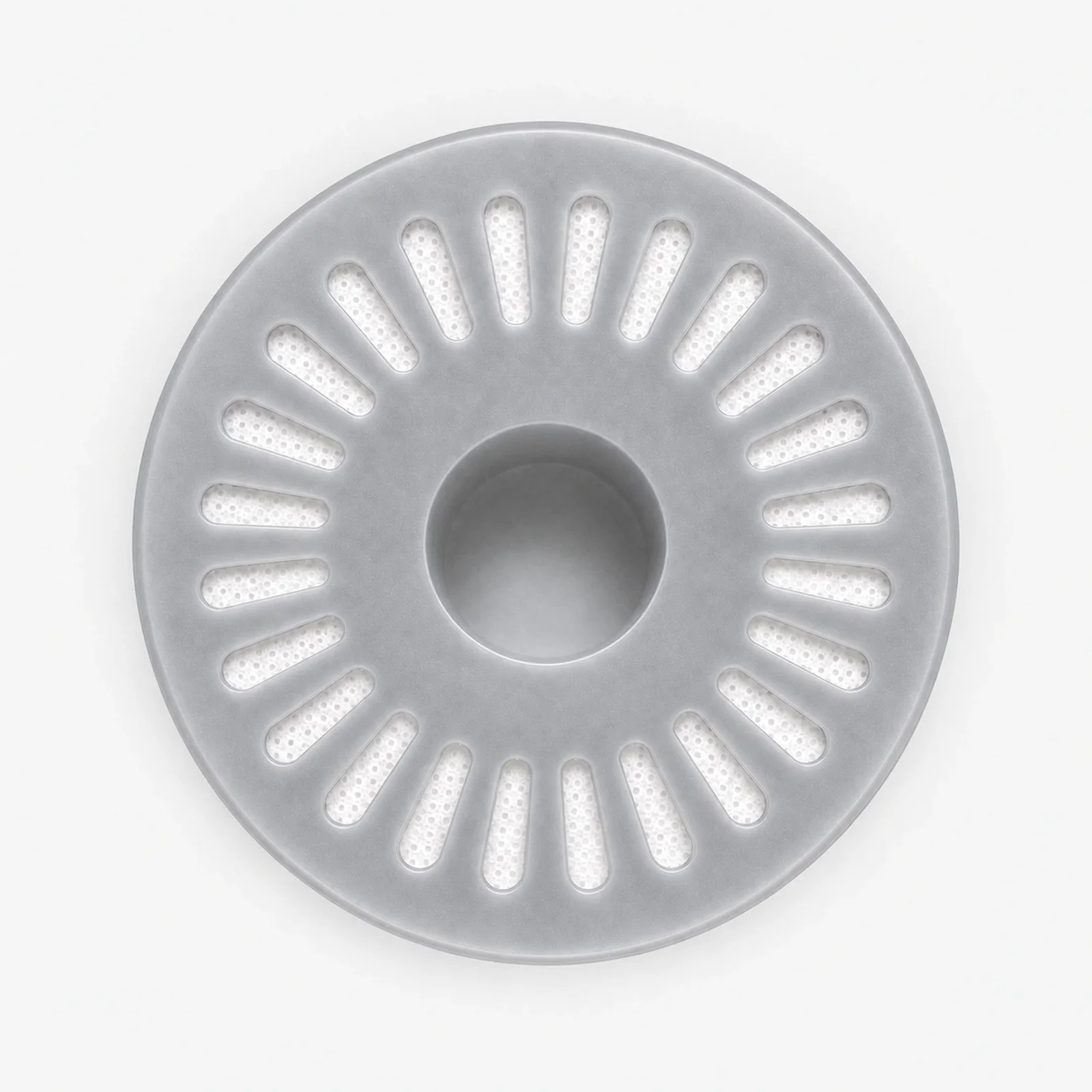
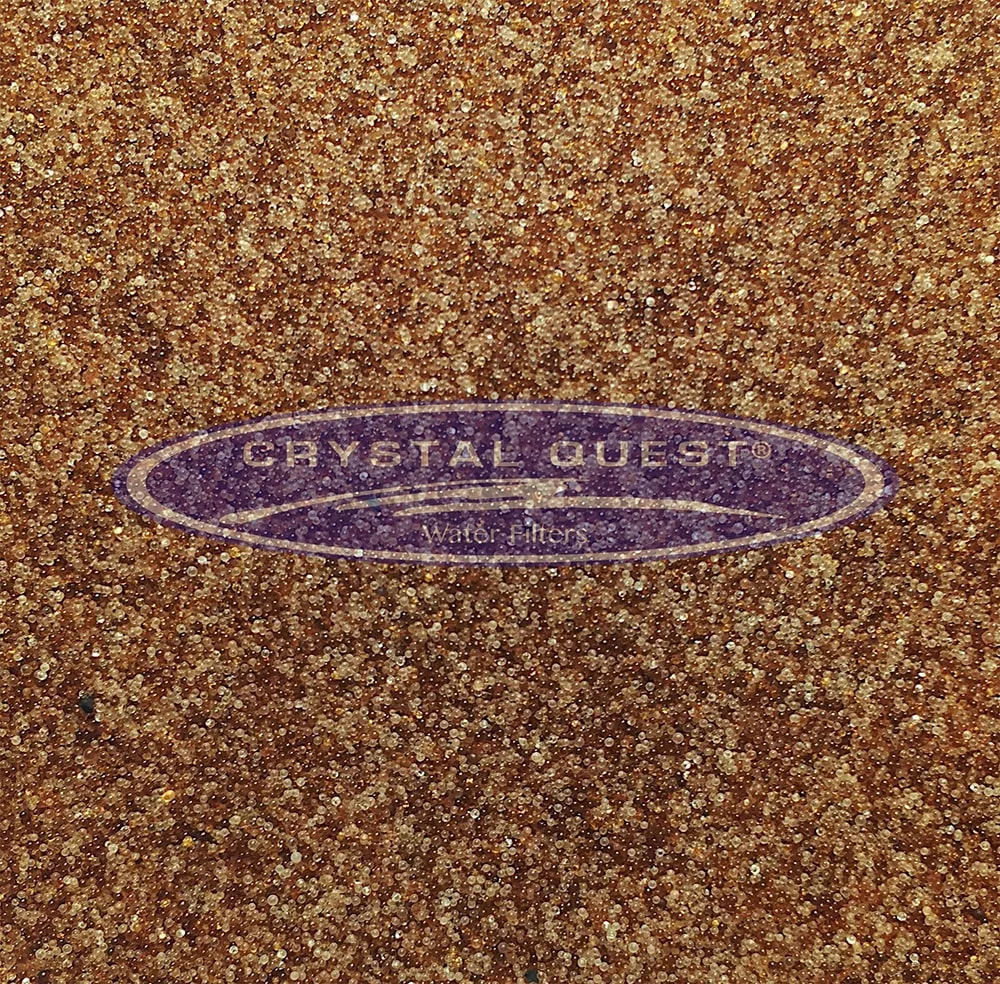
Inside the cartridge is a bed of resin beads in two colors: dark beads of cation resin and light amber beads of anion resin, mixed together. A pad holds the bed in place and the cartridge seals into a standard housing. The two resins arrive fully charged, the cation resin in the hydrogen form and the anion resin in the hydroxide form, ready to trade those ions for whatever is dissolved in your water.
How a DI resin cartridge works
Two resins, one result: water
Dissolved solids are ions. Calcium, magnesium and sodium carry a positive charge; chloride, sulfate, nitrate and bicarbonate carry a negative charge. The strong acid cation resin captures every positive ion and releases a hydrogen ion in its place. The strong base anion resin captures every negative ion and releases a hydroxide ion. Hydrogen and hydroxide combine into pure water, so what leaves the cartridge is water with almost nothing dissolved in it.
Why a mixed bed polishes so well
In a mixed bed, the cation and anion beads sit side by side. Water passes through many alternating exchange steps on its way through the cartridge, so ions that slip past one bead are caught by the next. That is how a mixed bed reaches purity that separate resin stages cannot.
Measuring purity: resistivity
The fewer ions water carries, the worse it conducts electricity. DI water is graded by resistivity, in megohm-cm: the higher the number, the purer the water. A TDS meter reads close to zero on DI water, which is why high-purity users measure resistivity instead.
Why it belongs after RO
DI capacity is measured in grains of dissolved solids, and every grain removed uses part of the resin. Feed it tap water and it spends its capacity on minerals that an RO membrane removes far more economically. Feed it RO water and the same resin lasts many times longer. Dissolved carbon dioxide also uses anion capacity, and chlorine damages resin, so the carbon and RO stages ahead of DI protect it.
What it reduces
Primary target: dissolved ionic contaminants and total dissolved solids (TDS) that RO leaves behind in small amounts, including:
- Hardness minerals: calcium and magnesium
- Sodium and other dissolved metal ions
- Chloride, sulfate, nitrate and bicarbonate (alkalinity)
Not designed to treat: bacteria and viruses, sediment, chlorine and most dissolved organic chemicals, which carry no charge. Those belong to the sediment, carbon and RO stages ahead of the DI cartridge.
Why it is not intended for drinking use
- The minerals are gone. Tap water can contribute calcium and magnesium to your daily intake. DI water contributes almost none.
- It is "hungry" water. With nearly every ion removed and no buffering left, deionized water is easily contaminated and can corrode many of the materials it touches, and its pH drifts lower once it meets air.
- It does not make water safe. DI resin does not remove bacteria or particles and does little for most organic chemicals.
- It is a technical water product. Deionized water is used in laboratory and medical water systems. This cartridge is built for reef, lab, rinsing, plating and spot-free uses, and Crystal Quest makes no drinking water treatment claim for it. For low-TDS drinking water, choose a Crystal Quest reverse osmosis system.
Who uses it
- Reef and aquarium keepers who want top-off and mixing water without the silicates, nitrate and phosphate that feed algae.
- Laboratories preparing water for testing, rinsing and reagents.
- Medical water systems that need deionized water.
- Rinsing and plating operations where dissolved solids leave residue or spoil a finish.
- Spot-free washing of vehicles, windows and solar panels.
- Electronics, optical and pharmaceutical production that needs very low TDS water.
Why Crystal Quest
- Real mixed bed resin, hydrogen and hydroxide form, ready to polish from the first gallon.
- Published performance: resistivity, grain capacity, gallons at two feed levels and flow for the slim sizes, in the Specifications tab.
- Ultrapure systems experience: Crystal Quest builds RO and DI systems for homes, labs and commercial users.
- Over 1,000,000 people served since 1994. Crystal Quest builds under ISO 9001 quality management, has made water filtration in the USA for over 30 years and offers lifetime support by phone, email or chat.
Where it fits
- After an RO system, as the final polishing stage before the point of use.
- Countertop and under-sink DI housings that take the 2-7/8" x 9-3/4" or 2-7/8" x 20" size.
- Big Blue housings for higher-volume polishing with the 4-5/8" sizes.
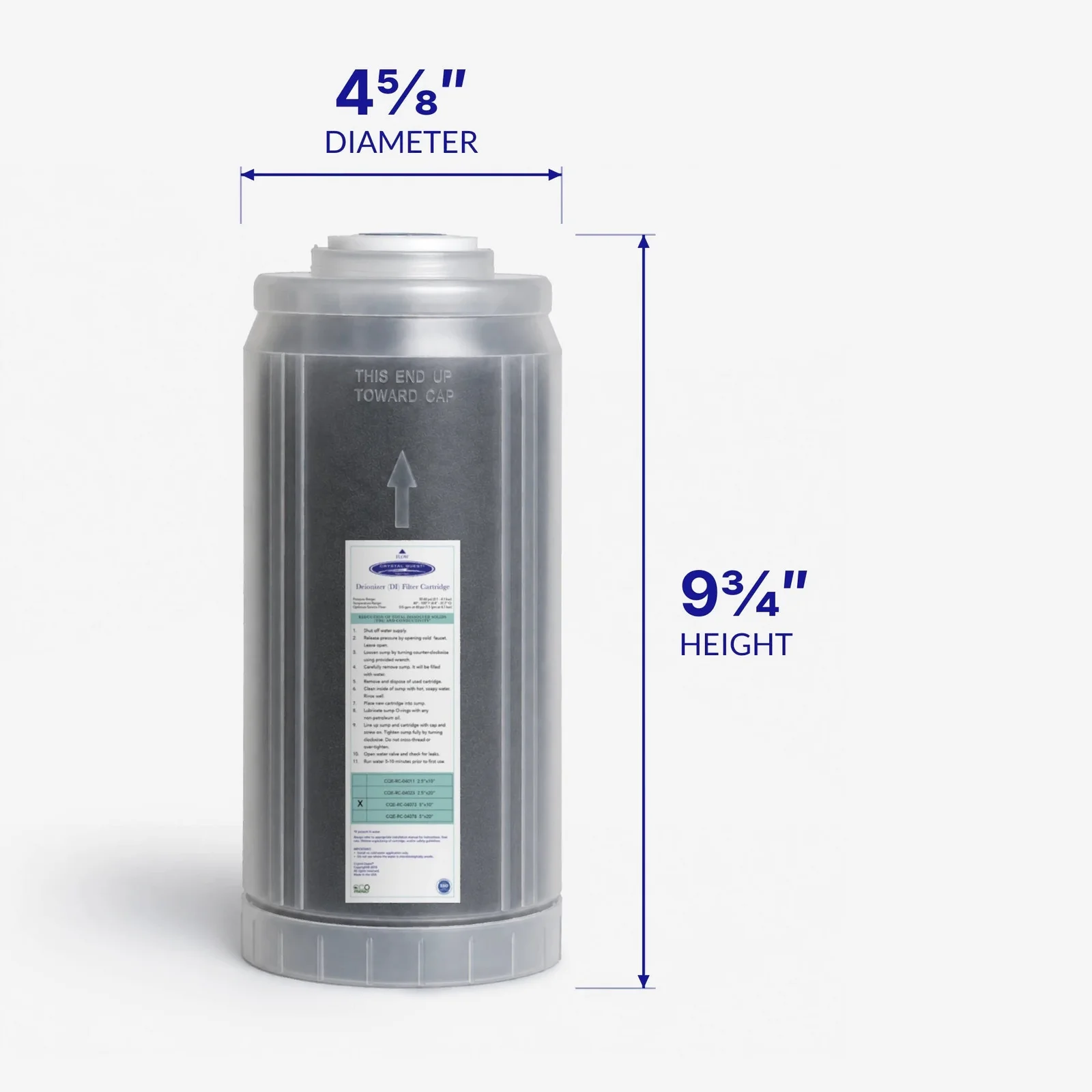
Choose the size printed on your current cartridge or in your order history: 2-7/8" x 9-3/4" (CQE-RC-0500), 2-7/8" x 20" (CQE-RC-0501), 4-5/8" x 9-3/4" (CQE-RC-0502) or 4-5/8" x 20" (CQE-RC-0503).
Common questions
What does a DI resin cartridge do?
Its mixed bed resin swaps every dissolved positive ion for hydrogen and every negative ion for hydroxide, which combine into water. The result is water with very low total dissolved solids.
Is a particular purity or zero TDS guaranteed?
No. The slim sizes are rated 14 to 18 megohm-cm, but output depends on your feed water, flow and how much capacity is left. Verify the output against your application's requirements.
How many gallons does a DI cartridge make?
It depends on the TDS going in. The 2-7/8" x 9-3/4" size is rated at 450 grains: about 33 gallons at 200 ppm feed, or about 680 gallons at 10 ppm feed, such as water from a well-performing RO system.
Do I need reverse osmosis before a deionization filter cartridge?
For almost every use, yes. RO removes most dissolved solids first, so the DI resin only has to polish what is left and lasts many times longer.
How do I know when to replace it?
Measure the output with a resistivity or TDS meter and replace the cartridge when it no longer meets your application's requirement.
What sizes are offered?
Four: 2-7/8" x 9-3/4" and 2-7/8" x 20" for standard 2.5" housings, and 4-5/8" x 9-3/4" and 4-5/8" x 20" for Big Blue housings.
Technical specificationsManufacturer material
Specifications for your selection
2-7/8" x 9-3/4" / Single
- SKU
- CQE-RC-0500
- Flow rate
- 0.2 GPM
- Diameter (width)
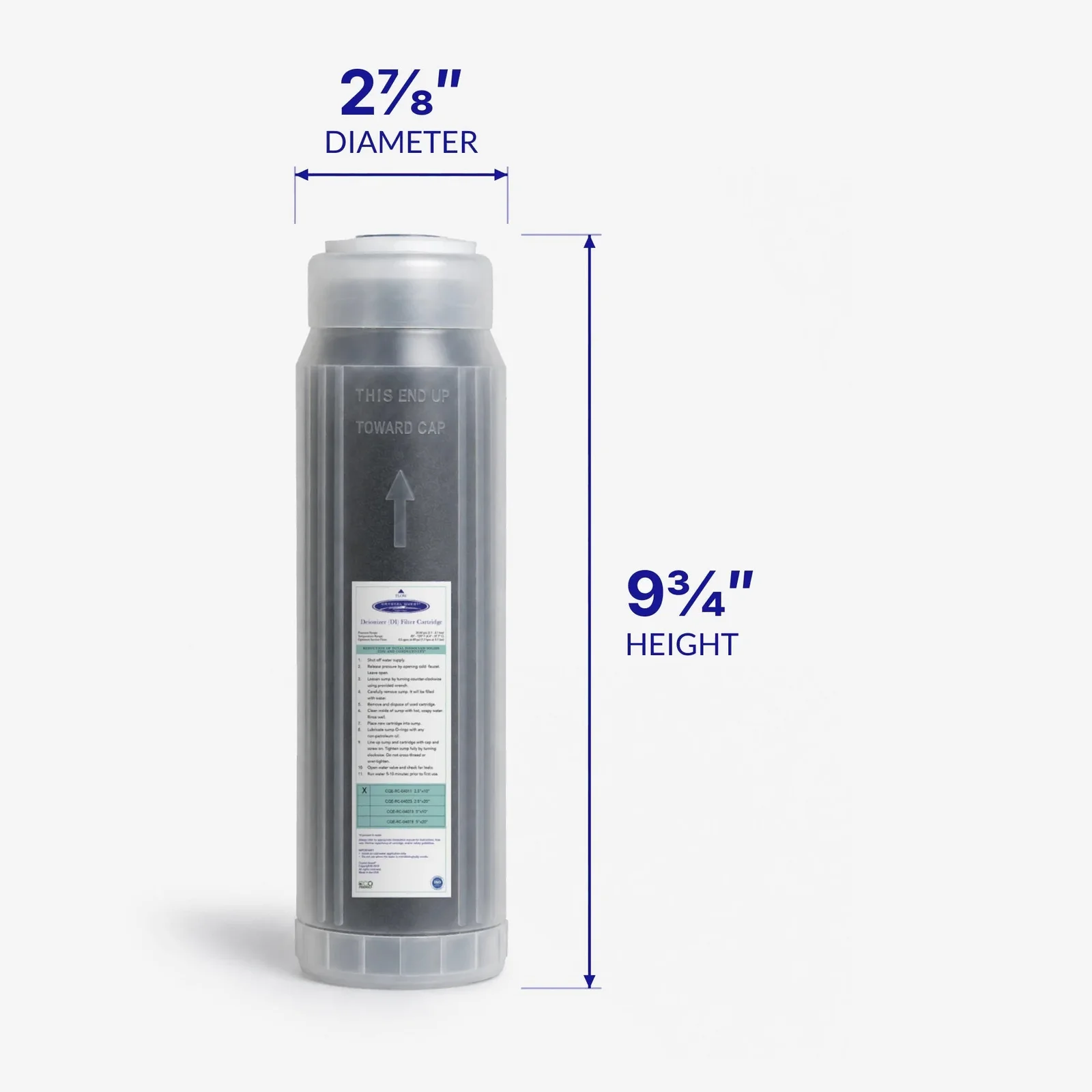
- 2.875 in
- Length (height)
- 9.75 in
- Cartridge type
- Ultra High Purity DI Resin Cartridge
- Format
- Drop-in replacement cartridge
- Dimensions
- Actual cartridge diameter x length in inches; nominal housing names are not cartridge measurements
- CQE-RC-0500 (2-7/8" x 9-3/4")
- Actual size 2-7/8" x 9-3/4"; flow and treatment capacity require confirmation
- CQE-RC-0501 (2-7/8" x 20")
- Actual size 2-7/8" x 20"; flow and treatment capacity require confirmation
- CQE-RC-0502 (4-5/8" x 9-3/4")
- Actual size 4-5/8" x 9-3/4"; flow and treatment capacity require confirmation
- CQE-RC-0503 (4-5/8" x 20")
- Actual size 4-5/8" x 20"; flow and treatment capacity require confirmation
- Filter media
- Mixed bed deionization resin
- Size selection
- Use the exact actual cartridge measurements and specified system replacement
- Service guidance
- Confirm the maintenance and replacement plan for the exact specialty cartridge and water conditions
DI resin cartridge specifications
Published ratings apply to the selected cartridge and listed conditions. Capacity and output depend on feed water TDS, flow and usage. Contact Crystal Quest with the part number to confirm the flow and service plan for the 4-5/8" sizes.
| SKU | SIZE | FITS HOUSING | OPERATING / MAX FLOW | CAPACITY (GRAINS AS CaCO3) |
EST. GALLONS (200 PPM / 10 PPM FEED) |
| CQE-RC-0500 | 2-7/8" x 9-3/4" | 2.5" x 10" | 0.2 / 0.3 gpm | 450 grains* | 33 / 680 gallons* |
| CQE-RC-0501 | 2-7/8" x 20" | 2.5" x 20" | 0.4 / 0.6 gpm | 900 grains* | 66 / 1,360 gallons* |
| CQE-RC-0502 | 4-5/8" x 9-3/4" | 5" x 10" Big Blue | Contact Crystal Quest to confirm | Contact Crystal Quest to confirm | Contact Crystal Quest to confirm |
| CQE-RC-0503 | 4-5/8" x 20" | 5" x 20" Big Blue | Contact Crystal Quest to confirm | Contact Crystal Quest to confirm | Contact Crystal Quest to confirm |
Media and treatment
| Media | De-Ionizer |
| Treatment method | Ion exchange: cations exchanged for hydrogen, anions for hydroxide, which combine into water |
| Targets | Dissolved ionic contaminants and total dissolved solids |
| Output (2-7/8" sizes) | 14 to 18 megohm-cm resistivity |
| Use | Technical water only; not intended for drinking use |
| Recommended feed | Reverse osmosis treated water |
| Regeneration | None in the field. Replace when output no longer meets your requirement |
Operating conditions and materials (2-7/8" sizes)
| Temperature range | 40°F (5°C) to 85°F (29°C) |
| Pressure range | 20 psi (1.4 bar) to 125 psi (8.6 bar) |
| Micron rating | 25 micron |
| Cap and body | ABS |
| Pad | PE |
| Gasket | EPDM |
*Capacity and gallons are estimates. Actual life depends on feed water TDS, flow and usage.
Media used
Maintenance & careManufacturer material
- Check the output with a resistivity meter, or a TDS meter for less critical uses. Replace the cartridge when the reading drops below what your application needs.
- Estimate life from the grain rating and your feed TDS: the lower the feed TDS, the longer it lasts.
- Keep your RO pre-filters and membrane current. A tired RO stage sends more dissolved solids to the DI cartridge and shortens its life.
- Run water to drain until the reading stabilizes before using the output for a critical process.
How to replace it
- Shut off the water supply and release pressure.
- Loosen the sump with the housing wrench and carefully remove it. It will be full of water.
- Remove and dispose of the used cartridge.
- Clean the inside of the sump and rinse it well with purified water.
- Remove the wrapping and place the new cartridge in the sump, centered and fully seated.
- Check that the sump O-ring is seated; lubricate it only as your system manual directs.
- Line up the sump and cartridge with the cap and tighten by hand and wrench. Do not cross-thread or overtighten.
- Open the water valve slowly, check for leaks, then run water to drain until the resistivity or TDS reading stabilizes before use.
Never run short of pure water. Choose Subscribe & save above for 5% off every delivery on the schedule you set.
CompatibilityManufacturer material
Match the selected cartridge’s actual diameter, length and seal design to your housing. Check the part number on your existing cartridge or order history, along with the media and service flow your treatment requires.
For a Pentair or other-brand housing, confirm its exact model, cartridge dimensions and seal design. A nominal housing size alone does not confirm the replacement.
Confirm that the complete DI setup can deliver the water quality required by your application, including the permitted flow through the selected cartridge.
What this review is based on.
Elorova researched the public Crystal Quest product listing, its published configuration data, source photographs and linked documents. The source page was checked on .
We have not purchased or installed this product, conducted a laboratory evaluation, or independently confirmed the manufacturer’s treatment and certification claims. We do not copy retailer star ratings into an Elorova rating.
Original Crystal Quest product listingOur research is a snapshot. Check the merchant’s current documentation, warranty, configuration, price and delivery terms before deciding. Read our editorial policy.