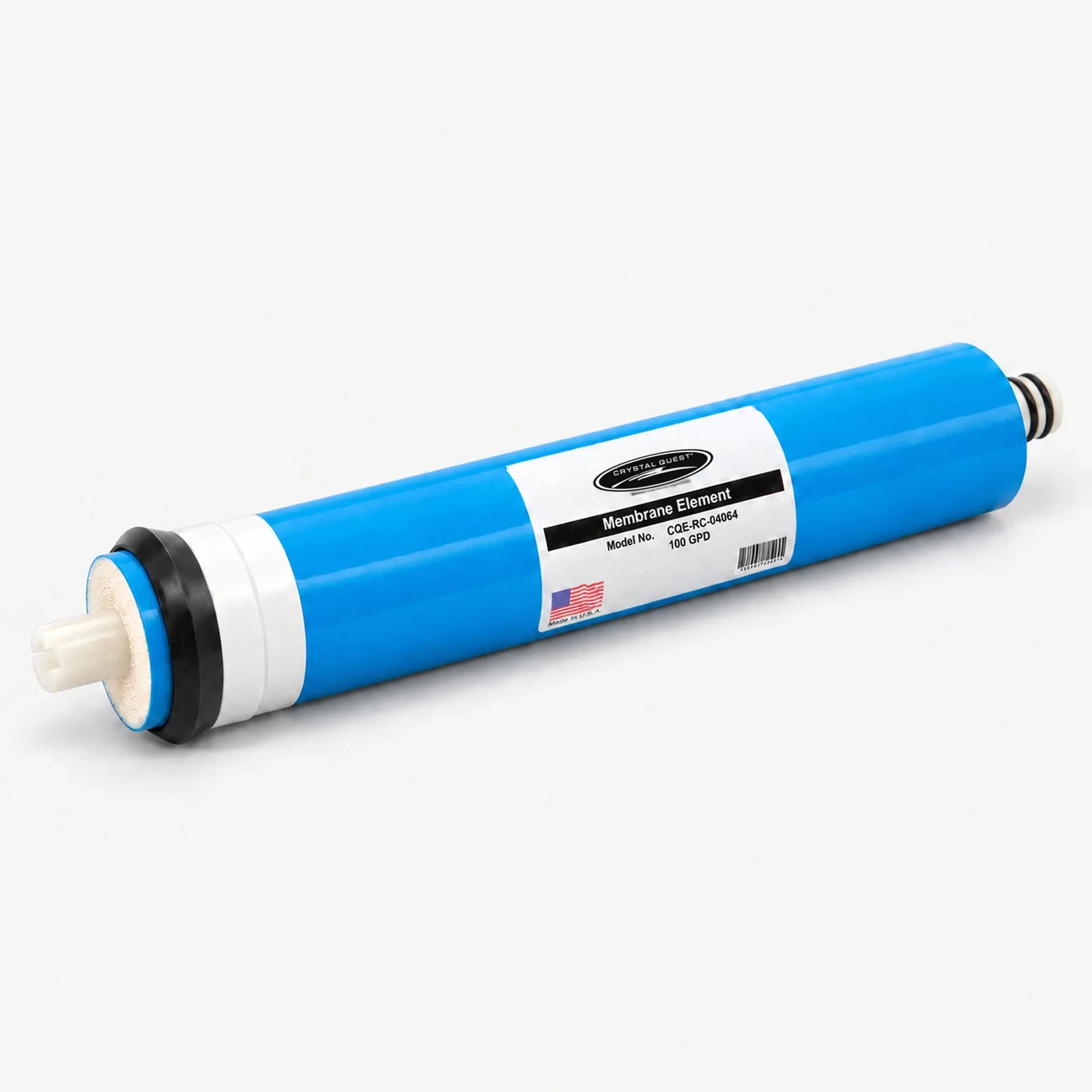
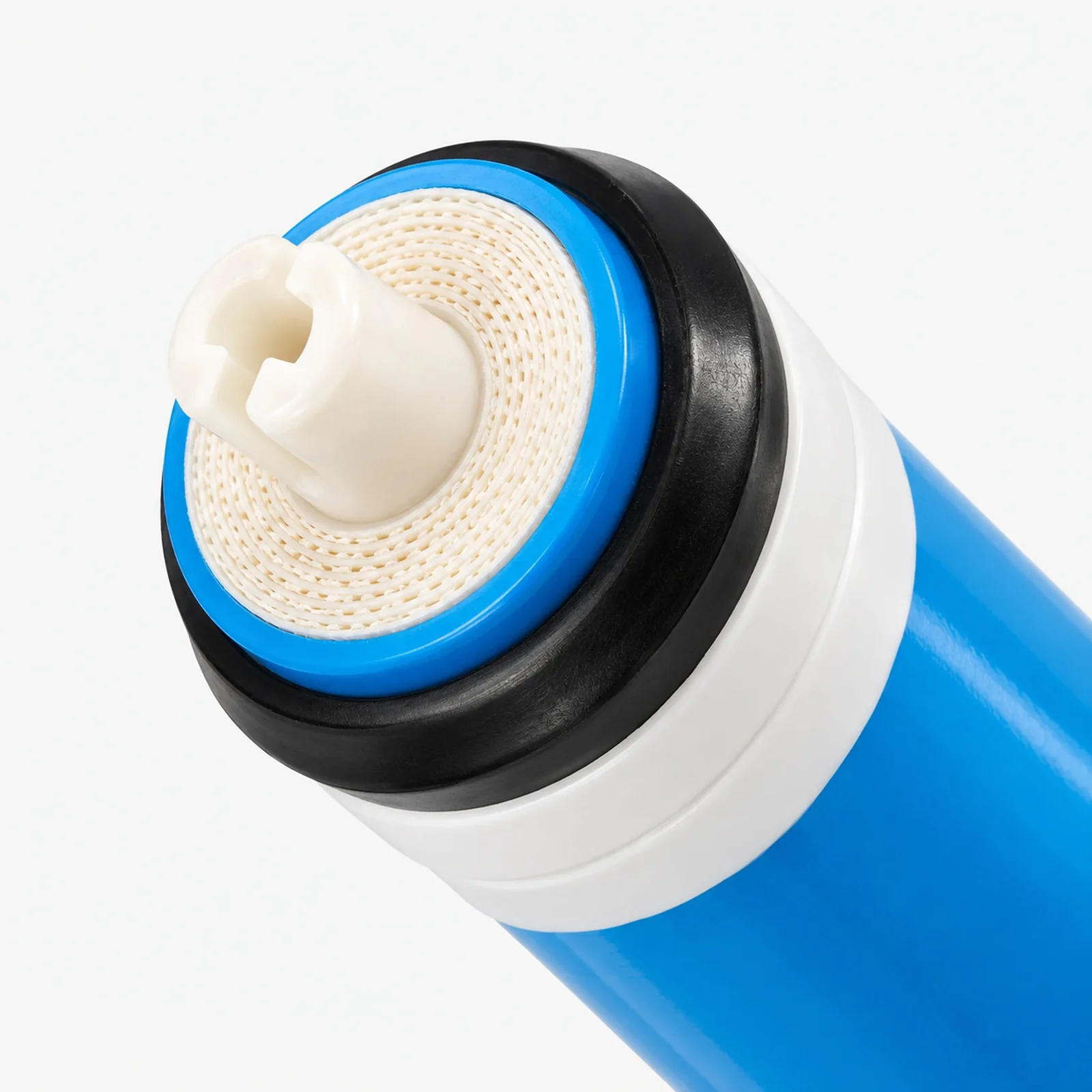
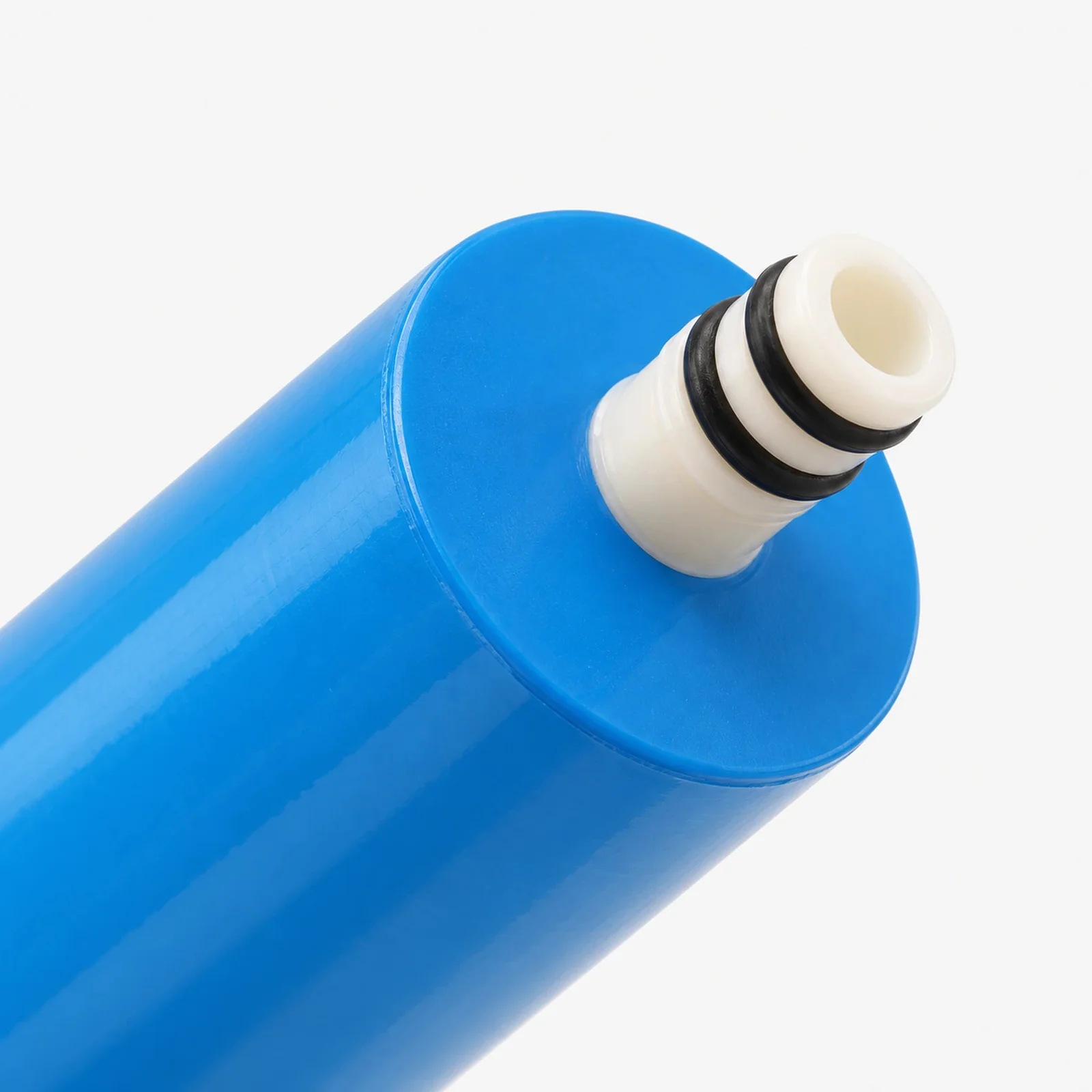
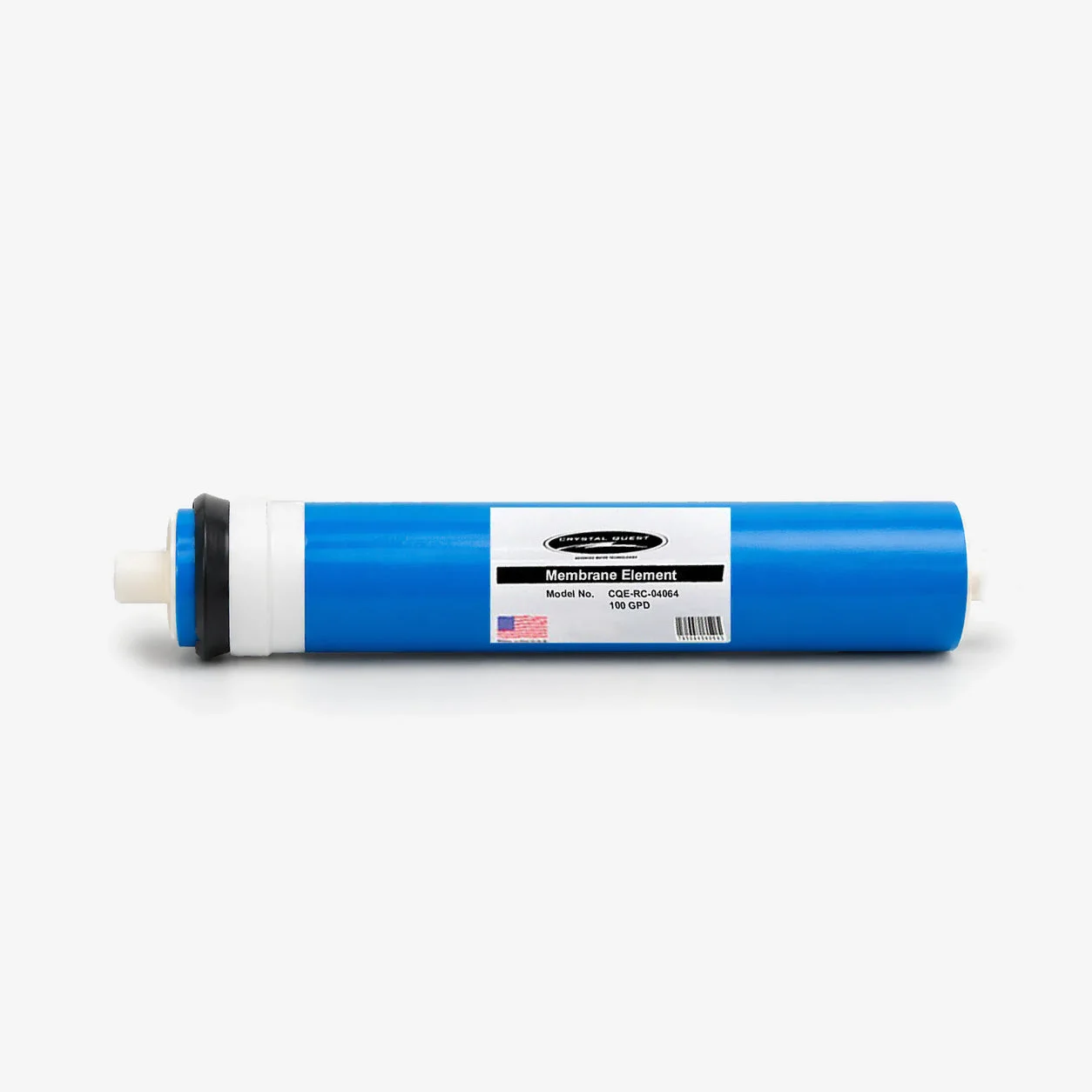
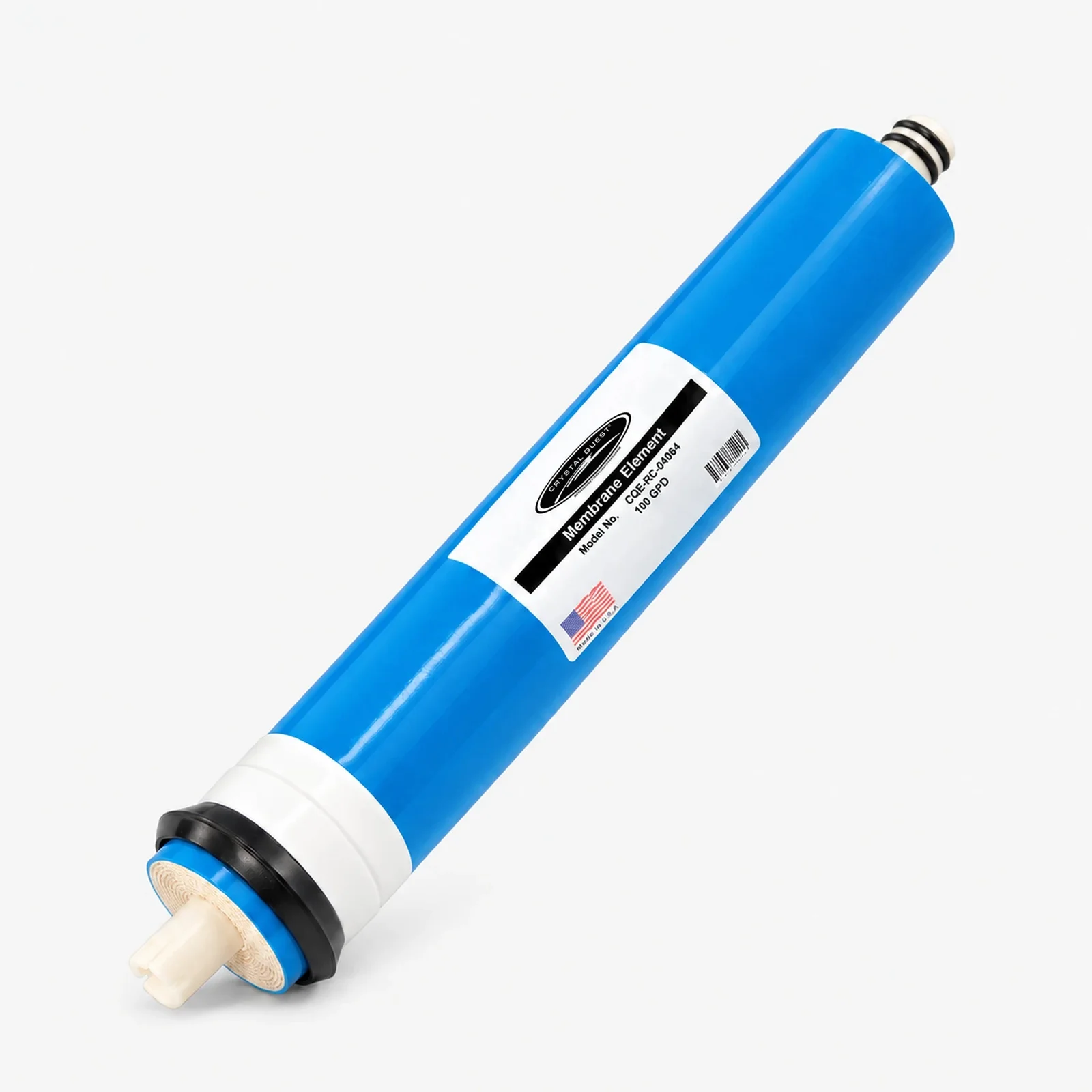
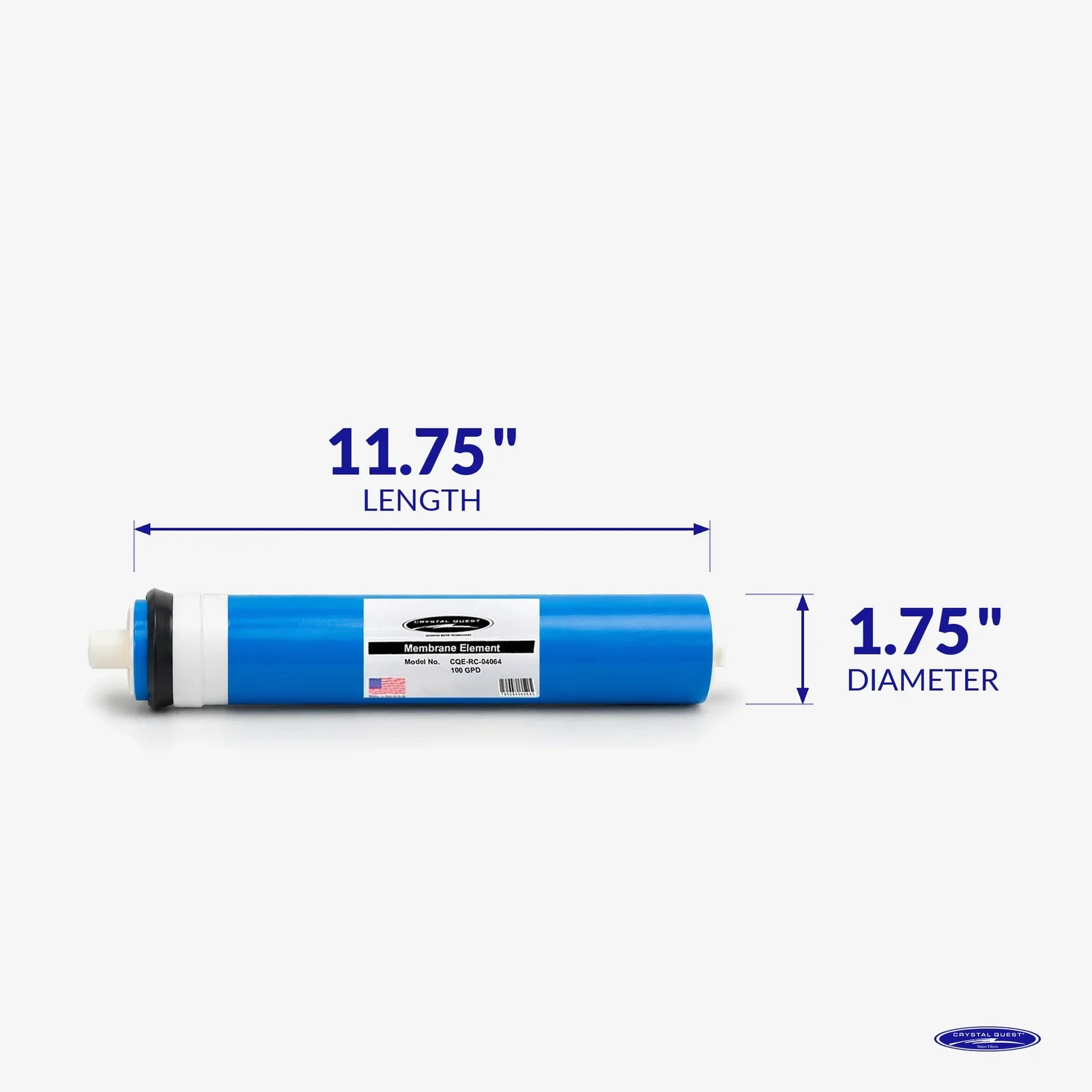
100 GPD RO Membrane, blue membrane element with white label, black brine seal and white center tube, angled view
100 GPD Standard Reverse Osmosis Membrane
Can you match this part’s SKU, size and connections to the system label or manual?
- Worth considering for
- Existing system owners who can match a part number and configuration before ordering.
From $59.00
Archived USD price · Check today’s price with Crystal Quest.
View at Crystal Quest Read our assessmentAffiliate link. We may earn a commission if you purchase. Our disclosure
A documentation-based review of the manufacturer’s listing and specifications. How we reviewed it
Our assessment
The most useful starting point in this listing is its published membrane size: 1.75" x 11.75". That gives you a concrete detail to compare, but the decision still depends on the exact configuration and your intended use.
What the listing gives you
- Membrane size
1.75" x 11.75" — as listed by Crystal Quest. Use this as a comparison point for the matching model.
- Operating pressure
20 to 60 psi (1.4 to 4.1 bar) — as listed by Crystal Quest. Use this as a comparison point for the matching model.
- Configuration choices are documented
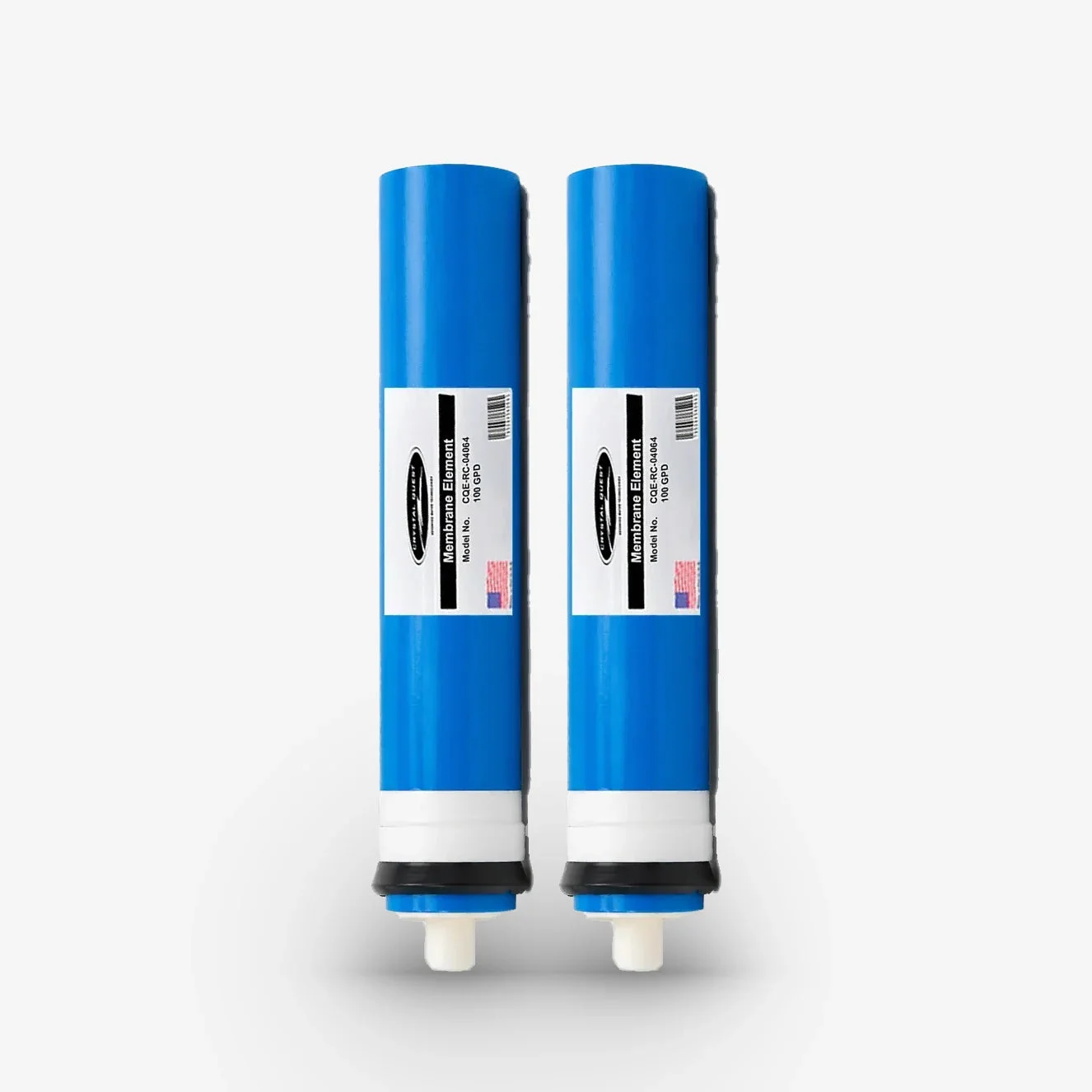
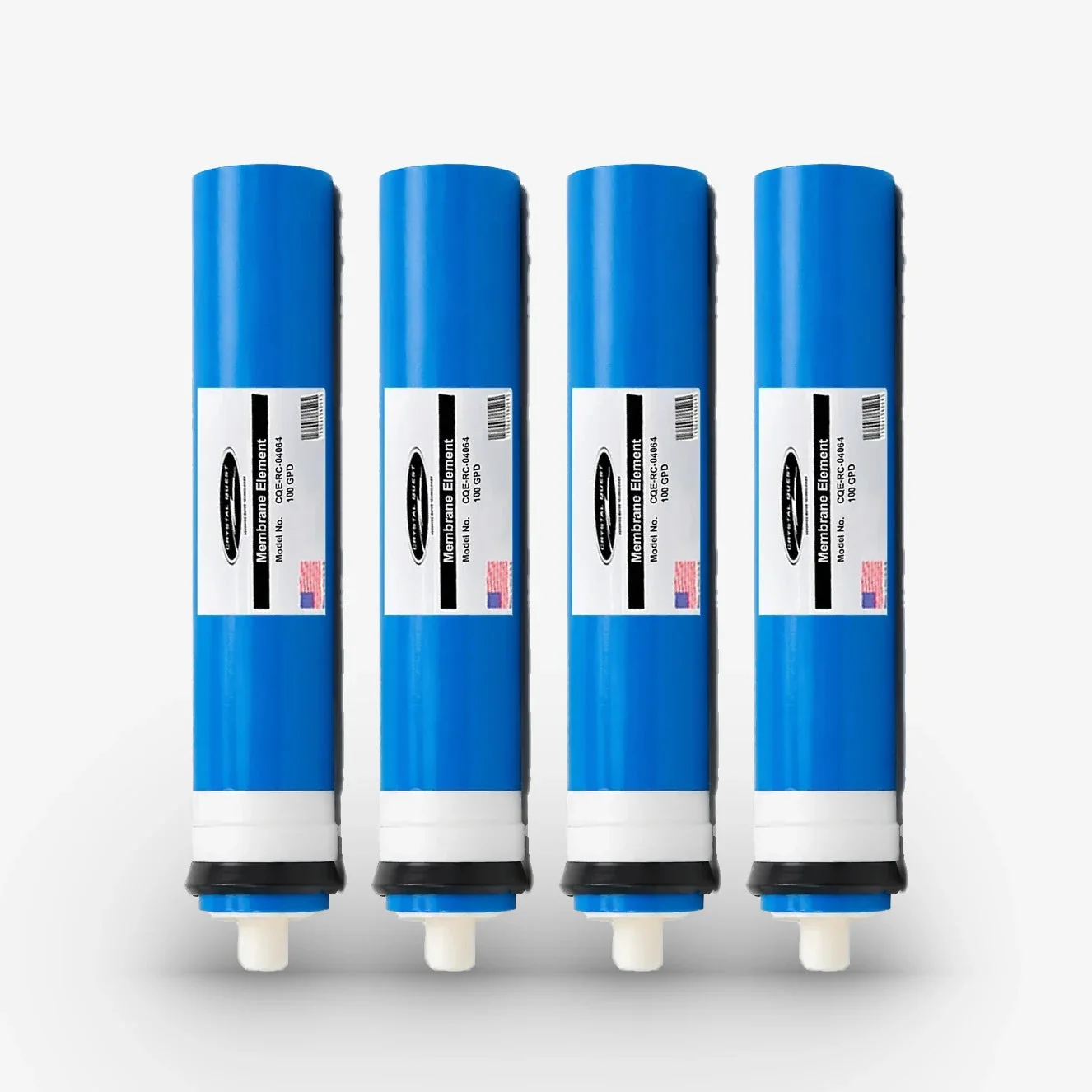
Quantity: Single, Pack of 2, Pack of 4
What deserves a closer look
- Fit comes first
A similar photograph or product name does not establish compatibility. Confirm the exact part and its position in your system with Crystal Quest.
- Look beyond the listed price
Keep the original model number and replacement record. Check whether the listing describes one component, a multi-part kit or a complete system.
- Compare the same configuration
The source lists 3 configurations. Use the model and part-number table below so that a size, package or optional component is not mistaken for a different specification.
These are our reading of the published information and our buying considerations. They are not measured performance results.
The specifications, in context.
Values below are published by Crystal Quest. Specifications may describe different configurations; read the model labels and compare the complete source tables in the reference section.
- Membrane size
- 1.75" x 11.75"
- Operating pressure
- 20 to 60 psi (1.4 to 4.1 bar)
- Operating temperature
- 40°F to 90°F (4°C to 32°C)
- Service life
- 2 to 3 years*
Performance curvesOriginal technical table 1 of 3
| Feed temperature | 40 psi | 50 psi | 60 psi |
|---|---|---|---|
| 40°F (4°C) | 37 | 47 | 57 |
| 50°F (10°C) | 46 | 58 | 71 |
| 60°F (16°C) | 56 | 72 | 87 |
| 70°F (21°C) | 69 | 87 | 106 |
| 77°F (25°C) | 79 | 100 | 121 |
| 85°F (29°C) | 90 | 114 | 138 |
| 90°F (32°C) | 97 | 123 | 150 |
Performance curvesOriginal technical table 2 of 3
| Feed pressure | 50°F (10°C) | 60°F (16°C) | 77°F (25°C) |
|---|---|---|---|
| 10 psi | 8 | 10 | 14 |
| 20 psi | 21 | 26 | 36 |
| 30 psi | 33 | 41 | 57 |
| 40 psi | 46 | 56 | 79 |
| 50 psi | 58 | 72 | 100 |
| 60 psi | 71 | 87 | 121 |
Membrane specificationsOriginal technical table 3 of 3
| Specification | Value |
| Membrane type | Thin-film composite (TFC) reverse osmosis membrane |
| Production rating | 100 GPD (gallons per day) |
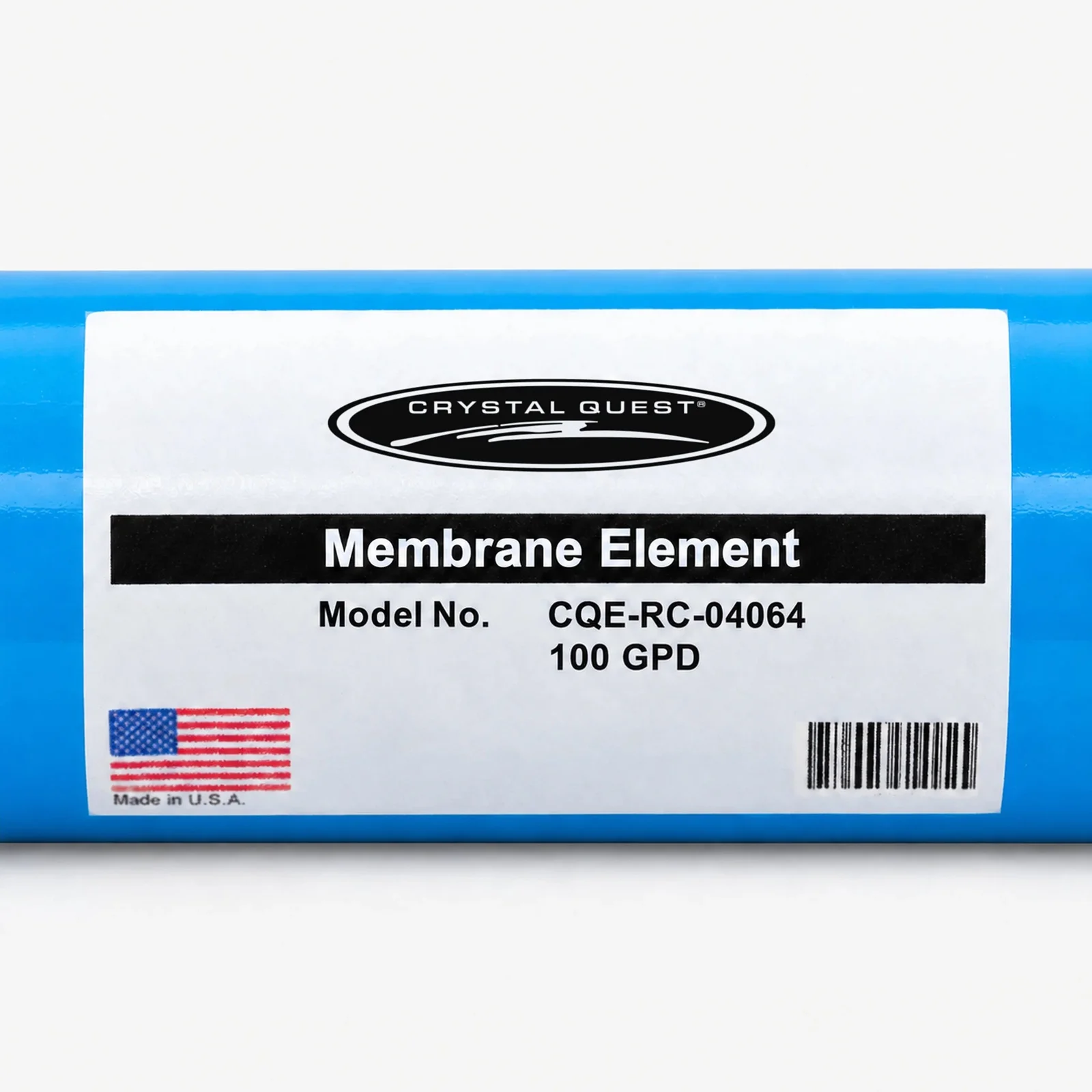
| Part number | CQE-RC-04064 |
| Membrane size | 1.75" x 11.75" |
| Housing format | 2" x 12" residential membrane housing |
| Listed replacement for | Every Crystal Quest Thunder under-sink RO system (standard membrane) |
| Construction | Polypropylene end caps, polyolefin inner and outer wraps, polyethylene netting, Buna-N gasket end caps |
| Operating pressure | 20 to 60 psi (1.4 to 4.1 bar) |
| Operating temperature | 40°F to 90°F (4°C to 32°C) |
| Salt rejection | Up to 99% |
| Chlorine | Remove ahead of the membrane with carbon pre-filtration |
| Drain water (Crystal Quest RO systems) | 1 gallon to drain for every 1 to 3 gallons of purified water |
| Service life | 2 to 3 years* |
All extracted specification rows 14 rows
| Published item | Manufacturer value | Source section |
|---|---|---|
| Specification | Value | Technical specifications |
| Membrane type | Thin-film composite (TFC) reverse osmosis membrane | Technical specifications |
| Production rating | 100 GPD (gallons per day) | Technical specifications |
| Part number | CQE-RC-04064 | Technical specifications |
| Membrane size | 1.75" x 11.75" | Technical specifications |
| Housing format | 2" x 12" residential membrane housing | Technical specifications |
| Listed replacement for | Every Crystal Quest Thunder under-sink RO system (standard membrane) | Technical specifications |
| Construction | Polypropylene end caps, polyolefin inner and outer wraps, polyethylene netting, Buna-N gasket end caps | Technical specifications |
| Operating pressure | 20 to 60 psi (1.4 to 4.1 bar) | Technical specifications |
| Operating temperature | 40°F to 90°F (4°C to 32°C) | Technical specifications |
| Salt rejection | Up to 99% | Technical specifications |
| Chlorine | Remove ahead of the membrane with carbon pre-filtration | Technical specifications |
| Drain water (Crystal Quest RO systems) | 1 gallon to drain for every 1 to 3 gallons of purified water | Technical specifications |
| Service life | 2 to 3 years* | Technical specifications |
Multi-column comparison tables are preserved in full under Manufacturer reference.
Choose the configuration carefully.
A similar photograph or product name does not establish compatibility. Confirm the exact part and its position in your system with Crystal Quest.
Model & part-number reference 3 configurations
This is a reference table, not an ordering form. SKU and option names are reproduced from the manufacturer snapshot.
| Configuration | Part number / SKU | Listed price (USD) |
|---|---|---|
| Single | CQE-RC-04064 | $59.00 |
| Pack of 2 | CQE-RC-04064-2PK | $118.00 |
| Pack of 4 | CQE-RC-04064-4PK | $236.00 |
Price snapshot from November 8, 2026. This is not a current offer or a stock confirmation.
Think beyond day one.
Keep the original model number and replacement record. Check whether the listing describes one component, a multi-part kit or a complete system.
- Match the exact model or SKU before relying on an installation diagram or replacement schedule.
- Ask what the quoted package includes and what must be supplied separately.
- Keep the manufacturer’s operating instructions with your service and replacement records.
Frequently asked questions
Can you match this part’s SKU, size and connections to the system label or manual?Our reading
The most useful starting point in this listing is its published membrane size: 1.75" x 11.75". That gives you a concrete detail to compare, but the decision still depends on the exact configuration and your intended use.
Who is 100 GPD Standard Reverse Osmosis Membrane worth considering for?Best fit
Existing system owners who can match a part number and configuration before ordering.
What are the configuration constraints and installation requirements?Fit & plumbing
A similar photograph or product name does not establish compatibility. Confirm the exact part and its position in your system with Crystal Quest.
What are the ongoing maintenance and filter replacement considerations?Ownership costs
Keep the original model number and replacement record. Check whether the listing describes one component, a multi-part kit or a complete system.
Go back to the source.
The full product information below is supplied by Crystal Quest, including its own descriptions and claims. We have reorganized the typography and tables for reading. This material is separate from Elorova’s assessment.
Product overviewManufacturer material
The glass fills slowly, the storage tank never seems full, and the TDS reading on your RO water keeps climbing. When fresh pre-filters do not bring it back, the reverse osmosis membrane has done its job and needs replacing.
This 100 GPD thin film composite (TFC) membrane is the standard reverse osmosis membrane in every Crystal Quest Thunder under-sink RO system. It measures 1.75" x 11.75" for 2" x 12" residential membrane housings and restores the stage that reduces dissolved contaminants, including lead, mercury, cadmium, trivalent chromium, fluoride, nitrates, sodium and radium.
At a glance
- The Thunder standard: the same 100 GPD rating every Thunder under-sink system is built around
- More production headroom than a 50 or 75 GPD membrane under the same conditions, so the tank recovers faster after heavy use
- Reduces dissolved solids such as lead, fluoride, nitrates and sodium
- Up to 99% reduction of dissolved solids (TDS)
- 2 to 3 years of service with current pre-filters, depending on feed water quality, system configuration and usage
What you are looking at
Inside the white outer wrap is a spiral wound element: sheets of TFC membrane rolled around a perforated center tube, separated by polyethylene netting that spreads incoming water across the whole surface. Polypropylene end caps and Buna-N gaskets seal the element in the housing. One end carries two small O-rings; that end goes into the housing first.
How a 100 GPD RO membrane works
The polyamide layer does the purifying
TFC means the membrane is a composite: a strong polyester backing, a porous support layer, and on top an extremely thin polyamide film. Water molecules pass through that film. Dissolved minerals and metals, which exist in water as charged ions, are held back at the surface.
Your water pressure is the engine
Reverse osmosis uses household water pressure to push water through the polyamide film against its natural tendency to flow toward the saltier side. Purified water collects in the center tube and fills the storage tank. The rejected solids are rinsed off the surface and sent down the drain line. Crystal Quest RO systems send 1 gallon to drain for every 1 to 3 gallons of purified water.
What 100 GPD really means
GPD is gallons per day at the membrane's rated test conditions. It is not faucet flow: purified water is stored in the tank and drawn from there. Your actual daily output rises and falls with water pressure, water temperature and the TDS of your feed water. Low pressure, cold winter water and high TDS all slow production. For homes with low water pressure, Thunder P models add a pressure pump.
Gases and small molecules
Dissolved gases and some very small uncharged molecules pass the membrane more easily than dissolved salts. That is why a Thunder system surrounds the membrane with carbon stages before it and a polishing stage after it.
Keep chlorine away from it
Chlorine attacks the polyamide film, and that damage is permanent: once the film is degraded, salts slip through. The carbon pre-filters in a Thunder system remove chlorine before it reaches the membrane, which is why keeping them current matters as much as the membrane itself.
What it reduces
Primary target: total dissolved solids, including lead, mercury, cadmium, trivalent chromium, fluoride, nitrates, sodium and radium.
Handled by the system's other stages: chlorine and chloramine, taste and odor (carbon and polishing stages) and UV treatment on Thunder 3000 and 4000 models. Very hard water should be softened ahead of RO so scale does not coat the membrane.
Why Crystal Quest
- The part your Thunder was built around, not a "fits most" substitute.
- Honest numbers: what 100 GPD means and what changes it, stated plainly.
- Over 1,000,000 people served since 1994. Crystal Quest builds under ISO 9001 quality management, has made water filtration in the USA for over 30 years and offers lifetime support by phone, email or chat.
Where it fits
- Every Crystal Quest Thunder under-sink RO system, C, M and pump (P) models, such as the Thunder 1000C.
- Housing: 2" x 12" residential membrane housing; the membrane measures 1.75" x 11.75" (part CQE-RC-04064).
Membranes are not returnable, so match the part number on the membrane you are replacing before you order. For the Countertop Reverse Osmosis System or a bottleless cooler, use the 50 GPD membrane those systems list.
Common questions
Which Thunder models use this membrane?
Every Thunder under-sink RO system comes standard with this 100 GPD membrane. The 75 GPD membrane is listed as an optional replacement.
Does a 100 GPD rating mean faster water at the faucet?
No. GPD is the membrane's rated daily production. Purified water is stored in the tank, and actual production depends on water pressure, temperature and TDS. Thunder P models add a pressure pump for homes with low water pressure.
How long does a 100 GPD RO membrane last?
About 2 to 3 years. Actual life depends on feed water quality, system configuration and usage. Rising TDS in the RO water, or lower production that fresh pre-filters do not fix, are signs it is due.
Why is my RO system making less water in winter?
Colder water moves through the membrane more slowly, so production drops even with a healthy membrane. Low water pressure and high TDS have the same effect.
Can I put a 100 GPD membrane in a system built for 50 or 75 GPD?
Use the rating your system lists, and ask Crystal Quest before changing it. Every Thunder system is built around 100 GPD.
How do I replace the membrane?
Turn off the water, unscrew the membrane housing cap, pull out the old membrane and push the new one in, end with the two small O-rings first, until it is fully seated. Then reconnect, check for leaks and flush as your system manual directs.
Why does an RO system send water to the drain?
The drain stream carries away the solids the membrane rejects, which keeps the membrane surface clean. Crystal Quest RO systems send 1 gallon to drain for every 1 to 3 gallons of purified water.
Technical specificationsManufacturer material
Specifications for your selection
Single
- SKU
- CQE-RC-04064
- Diameter (width)
- 1.75 in
- Length (height)
- 11.75 in
- Replace every
- 2 to 3 years
- Membrane type
- Thin-film composite (TFC) reverse osmosis membrane
- Production rating
- 100 GPD (gallons per day)
- Part number
- CQE-RC-04064
- Membrane size
- 1.75" x 11.75"
- Housing format
- 2" x 12" residential membrane housing
- Listed replacement for
- Every Crystal Quest Thunder under-sink RO system (standard membrane)
- Construction
- Polypropylene end caps, polyolefin inner and outer wraps, polyethylene netting, Buna-N gasket end caps
- Operating pressure
- 20 to 60 psi (1.4 to 4.1 bar)
- Operating temperature
- 40°F to 90°F (4°C to 32°C)
- Replacement interval
- 2 to 3 years; actual life depends on feed water quality, system configuration and usage
Performance curves
Rated 100 GPD at 77°F (25°C), 50 psi, 250 ppm feed.
Data for Figure 1
| Feed temperature | 40 psi | 50 psi | 60 psi |
|---|---|---|---|
| 40°F (4°C) | 37 | 47 | 57 |
| 50°F (10°C) | 46 | 58 | 71 |
| 60°F (16°C) | 56 | 72 | 87 |
| 70°F (21°C) | 69 | 87 | 106 |
| 77°F (25°C) | 79 | 100 | 121 |
| 85°F (29°C) | 90 | 114 | 138 |
| 90°F (32°C) | 97 | 123 | 150 |
Values in GPD (gallons per day).
Data for Figure 2
| Feed pressure | 50°F (10°C) | 60°F (16°C) | 77°F (25°C) |
|---|---|---|---|
| 10 psi | 8 | 10 | 14 |
| 20 psi | 21 | 26 | 36 |
| 30 psi | 33 | 41 | 57 |
| 40 psi | 46 | 56 | 79 |
| 50 psi | 58 | 72 | 100 |
| 60 psi | 71 | 87 | 121 |
Values in GPD (gallons per day).
Crystal Quest engineering data. Typical values calculated from the element's rated output at standard test conditions; actual output depends on feed water, recovery, storage tank back pressure and element condition.
Membrane specifications
| Specification | Value |
| Membrane type | Thin-film composite (TFC) reverse osmosis membrane |
| Production rating | 100 GPD (gallons per day) |
| Part number | CQE-RC-04064 |
| Membrane size | 1.75" x 11.75" |
| Housing format | 2" x 12" residential membrane housing |
| Listed replacement for | Every Crystal Quest Thunder under-sink RO system (standard membrane) |
| Construction | Polypropylene end caps, polyolefin inner and outer wraps, polyethylene netting, Buna-N gasket end caps |
| Operating pressure | 20 to 60 psi (1.4 to 4.1 bar) |
| Operating temperature | 40°F to 90°F (4°C to 32°C) |
| Salt rejection | Up to 99% |
| Chlorine | Remove ahead of the membrane with carbon pre-filtration |
| Drain water (Crystal Quest RO systems) | 1 gallon to drain for every 1 to 3 gallons of purified water |
| Service life | 2 to 3 years* |
*Service life is an estimate. Actual life depends on feed water quality, system configuration and usage.
Maintenance & careManufacturer material
- Plan on a new membrane every 2 to 3 years. Actual life depends on feed water quality, system configuration and usage.
- Check performance by comparing the TDS of your tap water with your RO water. A steady rise in RO-water TDS, or lower production that fresh pre-filters and normal pressure do not fix, means it is time.
- On chlorinated city water, change the RO pre-filters once a year as best practice; they protect the membrane.
- Follow the membrane replacement steps in your system manual. In brief: turn off the water and relieve pressure, unscrew the membrane housing cap, pull out the used membrane, push the new one in with its O-ring end first until it is fully seated, reconnect the tubing with thread seal tape, then check for leaks and flush before use.
Keep your Thunder at full strength. Choose Subscribe & save above to have your next membrane arrive on the schedule you set.
CompatibilityManufacturer material
The standard membrane (CQE-RC-04064) in every Crystal Quest Thunder under-sink RO system, across the 1000, 2000, 3000 and 4000 series, including C, M and pump models.
It is the 1.75" x 11.75" residential format for 2" x 12" membrane housings. The Countertop RO System and the UF + RO bottleless water coolers use the 50 GPD membrane instead.
What this review is based on.
Elorova researched the public Crystal Quest product listing, its published configuration data, source photographs and linked documents. The source page was checked on .
We have not purchased or installed this product, conducted a laboratory evaluation, or independently confirmed the manufacturer’s treatment and certification claims. We do not copy retailer star ratings into an Elorova rating.
Original Crystal Quest product listingOur research is a snapshot. Check the merchant’s current documentation, warranty, configuration, price and delivery terms before deciding. Read our editorial policy.